
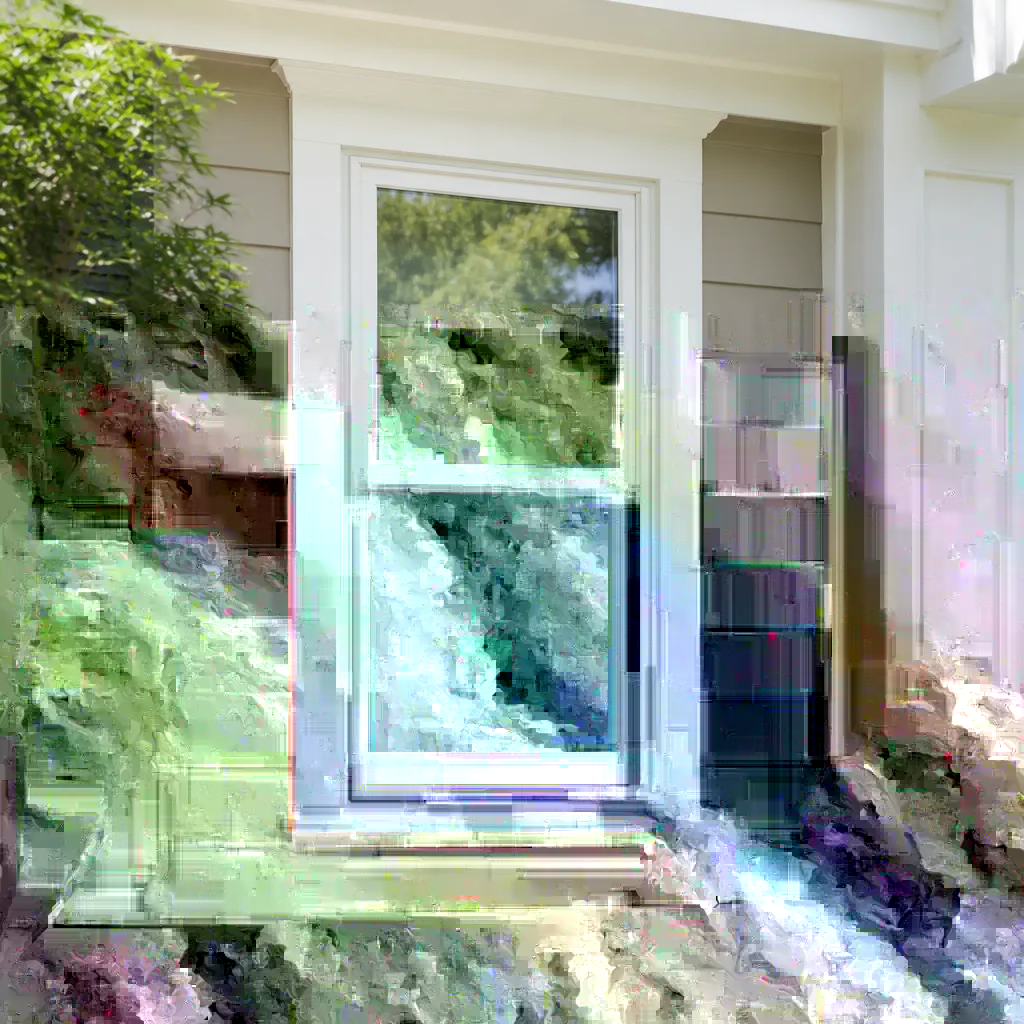
 Single hung
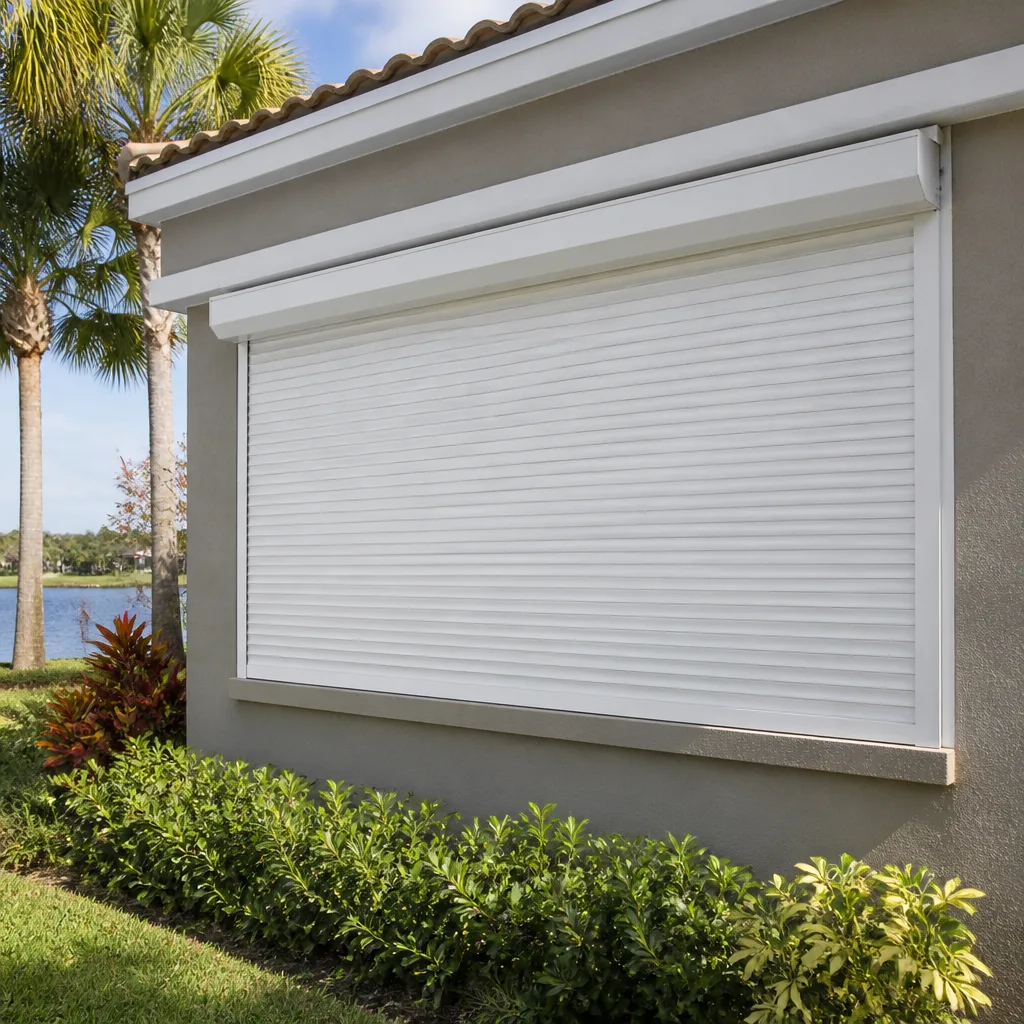 Horizontal roller
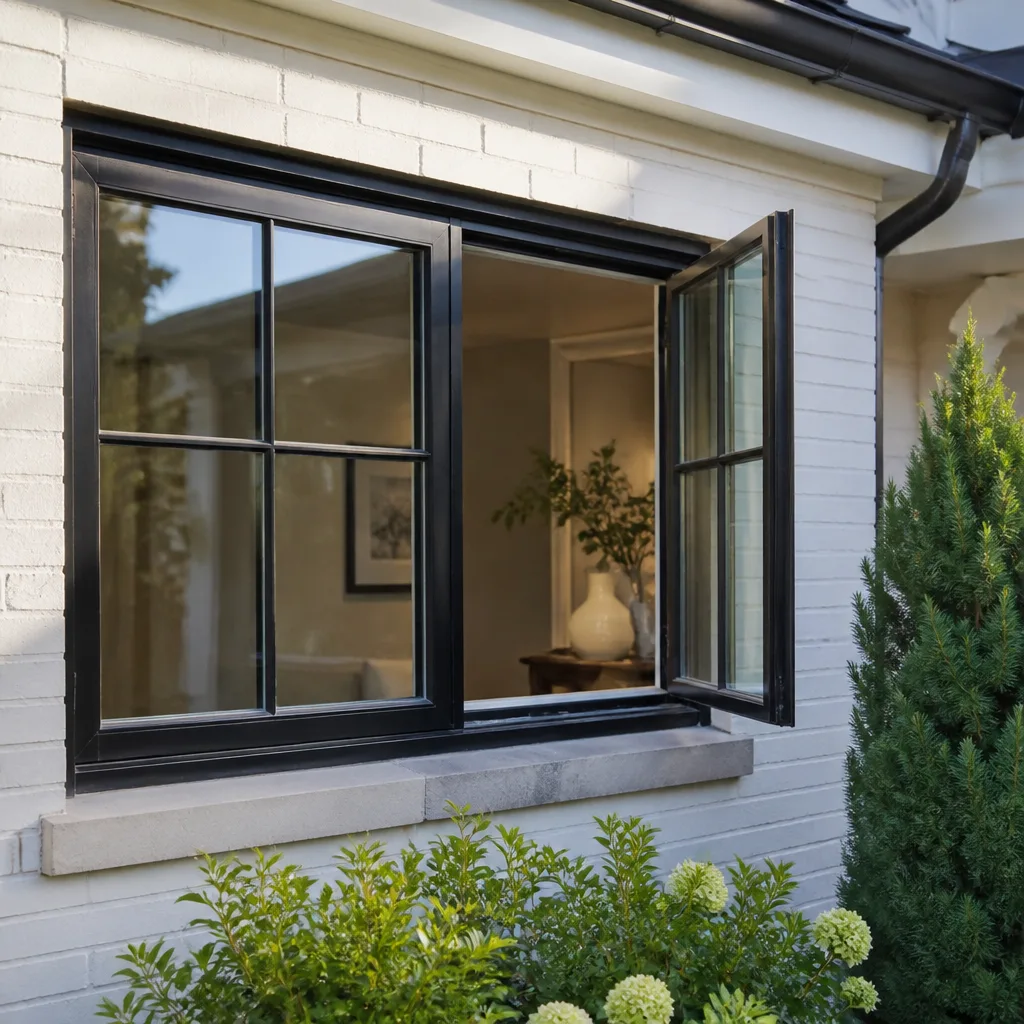 Casement
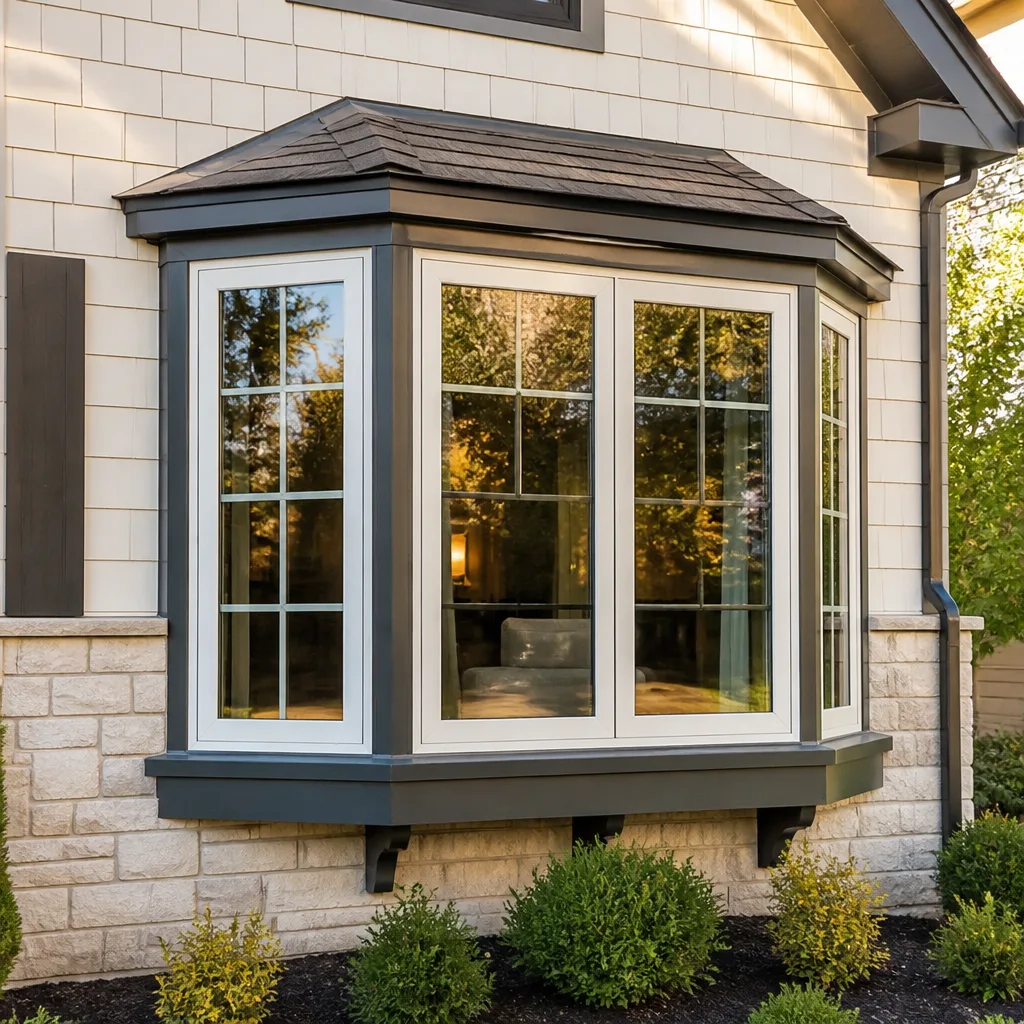 Bay & bow
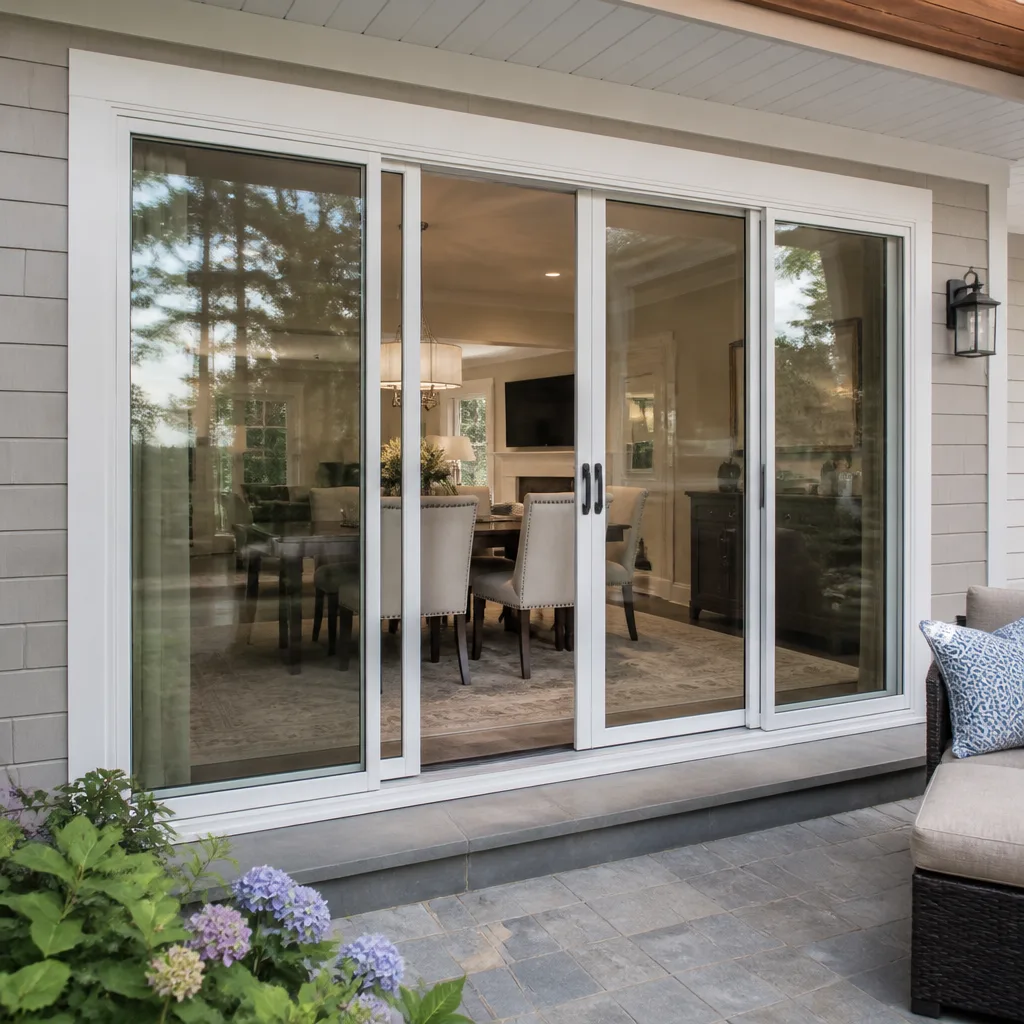 Sliding glass doors
 Entry doors
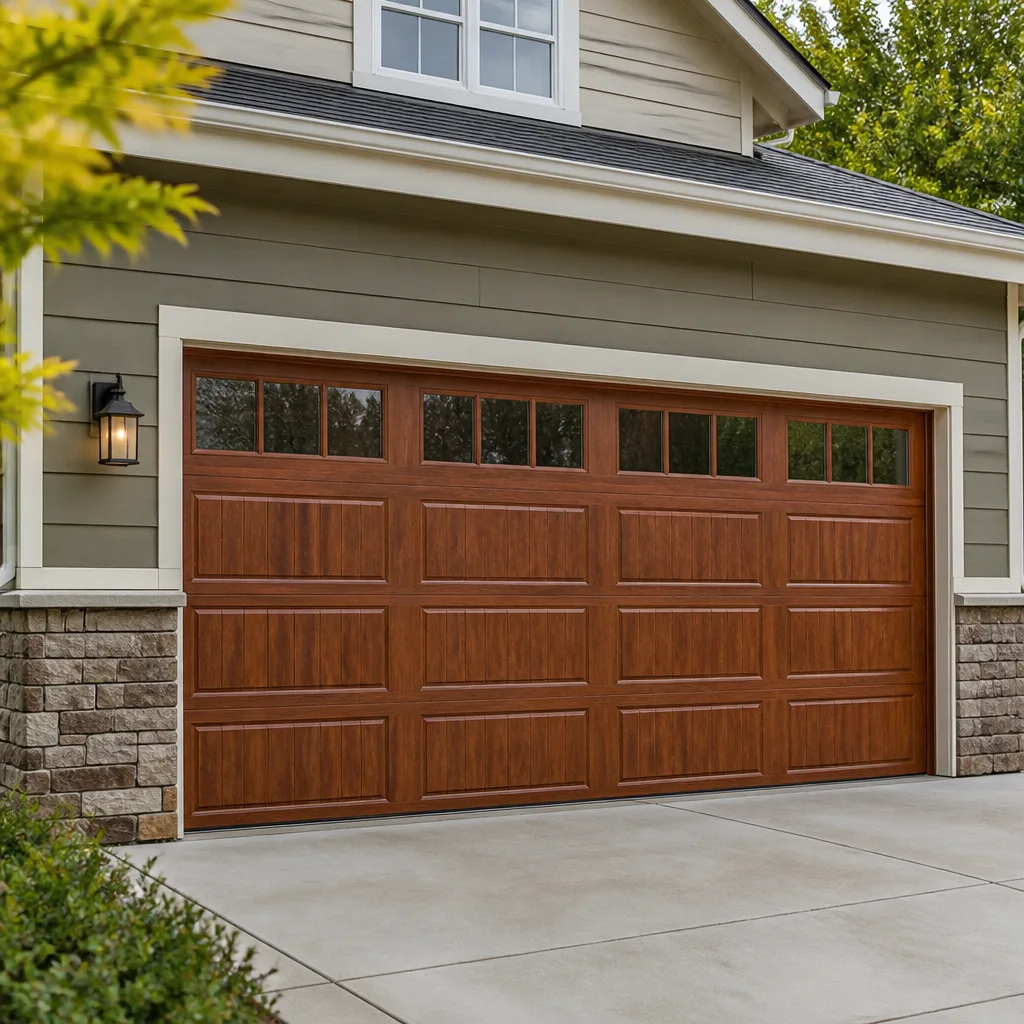 Impact garage doors
 PGT
PGT CGI
CGIFree in-home measure and quote - PGT, CGI and CWS impact lines compared on your actual openings, style by style
Get your free estimateCGI Door Installation: The Tampa Owner’s Guide
A CGI door installation in Tampa typically runs between $95 and $310 for the part itself, with installed pricing landing between $285 and $640 depending on the specific component and the condition of your existing frame. We keep the most common CGI parts on our service trucks, so a failed roller, hinge, sweep, or weatherstrip can usually be handled the same afternoon we come out.
Most owners discover the problem the way Tampa’s summer weather tends to reveal it: a door that suddenly drags against the frame after weeks of heavy rain, a latch that won’t catch because the slab has settled, or a sweep that has gone brittle from salt air and sun. What starts as a small annoyance becomes a door that won’t seal, won’t lock, or won’t stay on its track. That’s the moment to call, because a CGI door left misaligned in this humidity becomes a bigger fix every week you wait.
Which CGI Models This Applies To
CGI’s residential door lines share a lot of DNA across series, but the parts are not universally interchangeable. The Sentry, Estate, and Targa series each use spec-matched components, and here’s the compatibility gotcha we see often in Tampa: a roller assembly from one CGI series will sometimes fit the track of another but wear unevenly because the wheel profile and bearing size differ by a few millimeters. It looks right on the bench. It fails inside a year on the wall.
The fastest way to identify what you need is the white label on the door’s hinge edge. Every CGI door carries a sticker with the series name and manufacturing date. If that label is faded or painted over, we measure the panel thickness, the track profile, and the roller stem length. Those three numbers tell us more than the series name alone, because even within one series, CGI has changed hardware specs across model years. On the OEM versus aftermarket question: we install both, and we’ll tell you honestly when a $28 OEM sweep will outlast two $14 generics in sun exposure. For rollers and hinges, quality aftermarket equivalents from established suppliers perform every bit as well and sometimes run quieter. For weatherstripping, we recommend OEM CGI product because their thermoplastic compound holds up measurably better against Tampa’s UV and salt air than most aftermarket formulations.
Styles & brands we work with
Signs Your CGI Door Installation Is Failing
- The door scrapes or binds at the top or bottom of the swing. This usually means the panel has settled or the hinges have worn at the pin. If you force the door through the bind, you bend the hinges further, and the panel starts pulling out of square. We see this most in South Tampa homes built on sandy soil, where settling shows up in door frames before anywhere else.
- The sweep has gone stiff, cracked, or left a gap at the threshold. CGI’s original sweeps are tough, but seven to ten years of Florida sun makes any vinyl or thermoplastic dry out. When the sweep fails, you’re not just losing air conditioning; you’re inviting moisture into the door’s bottom rail, and that’s where corrosion and rot start.
- The lock or latch no longer engages without lifting or pulling the door. That means the panel has shifted out of alignment relative to the strike plate. Tightening screws stops working once the hinge mortise has wallowed out. We re-mortise, re-shim, and reset rather than telling you to buy a new door, which a less patient installer might do.
- The door rattles in the wind even when latched. Tampa thunderstorms will find any gap between panel and weatherstrip. The fix is usually a fresh seal and a slight hinge adjustment, not a new door. But left rattling through one hurricane season, those repeated impacts loosen the hinges further.
- You hear metal-on-metal grinding when the door moves. On a swing door, that’s a hinge pin that’s lost lubrication or worn its bushing. On a sliding CGI door, it’s a flattened wheel dragging through the track. Either way, the part is telling you it’s done. Continuing to use it wears the surrounding hardware and bumps your total cost up.
Replacement Cost & What’s Included
Here is what we quote in Tampa, and what the number covers.
- Weatherstrip or sweep replacement: $95 to $210 installed, depending on the CGI series and how many sides of the frame need new seal material.
- Roller replacement (sliding doors): $180 to $340 installed, including track cleaning and alignment. Tandem rollers on heavier Sentry panels run toward the top of that range.
- Hinge replacement and panel re-alignment: $190 to $420 installed, including shims, new fasteners, and strike plate adjustment.
- Threshold replacement: $160 to $380 installed, depending on the profile and whether we’re matching an adjustable CGI sill or a fixed-profile threshold.
- Full door installation (new CGI panel, hardware, sealing): $1,800 to $4,600 depending on series, size, and frame condition.
Every one of those numbers is the written price before we touch anything. The quote includes the part, the labor, the fasteners and sealant, and the cleanup. If the frame needs work we didn’t see during the initial look, we show you a photo of the condition before any extra work happens. That’s not a website promise, it’s how we run jobs. Keith Yamada put that rule in place years ago after watching too many homeowners get a verbal estimate and then a bill with a different number on it.
See the difference
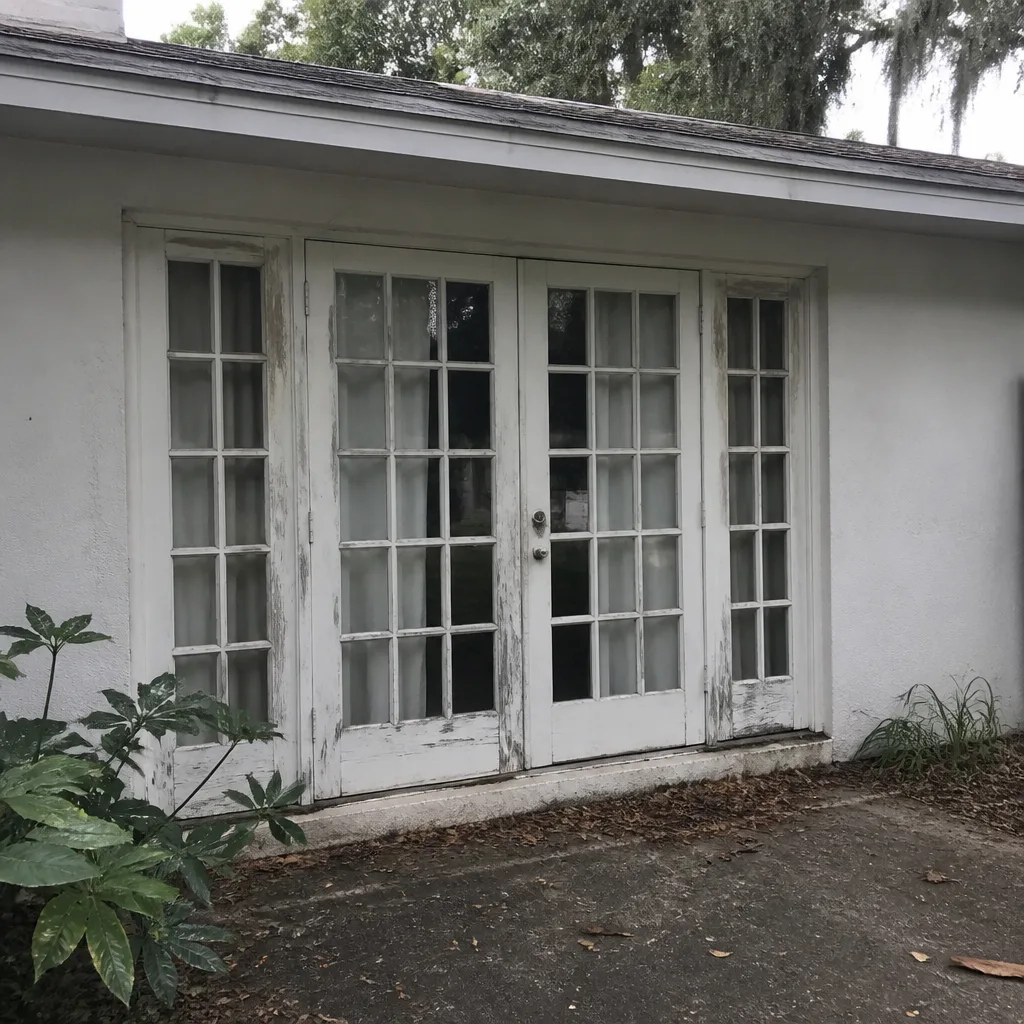 Before
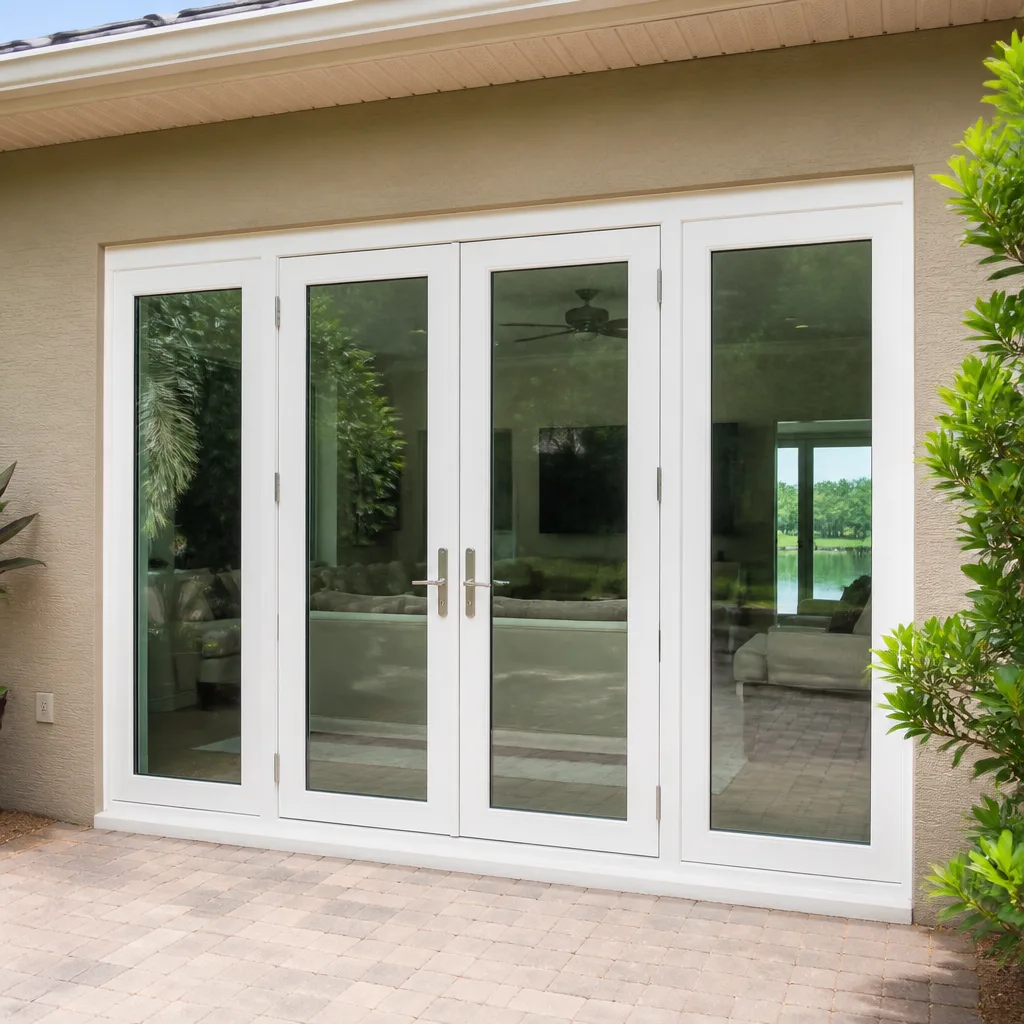 After
After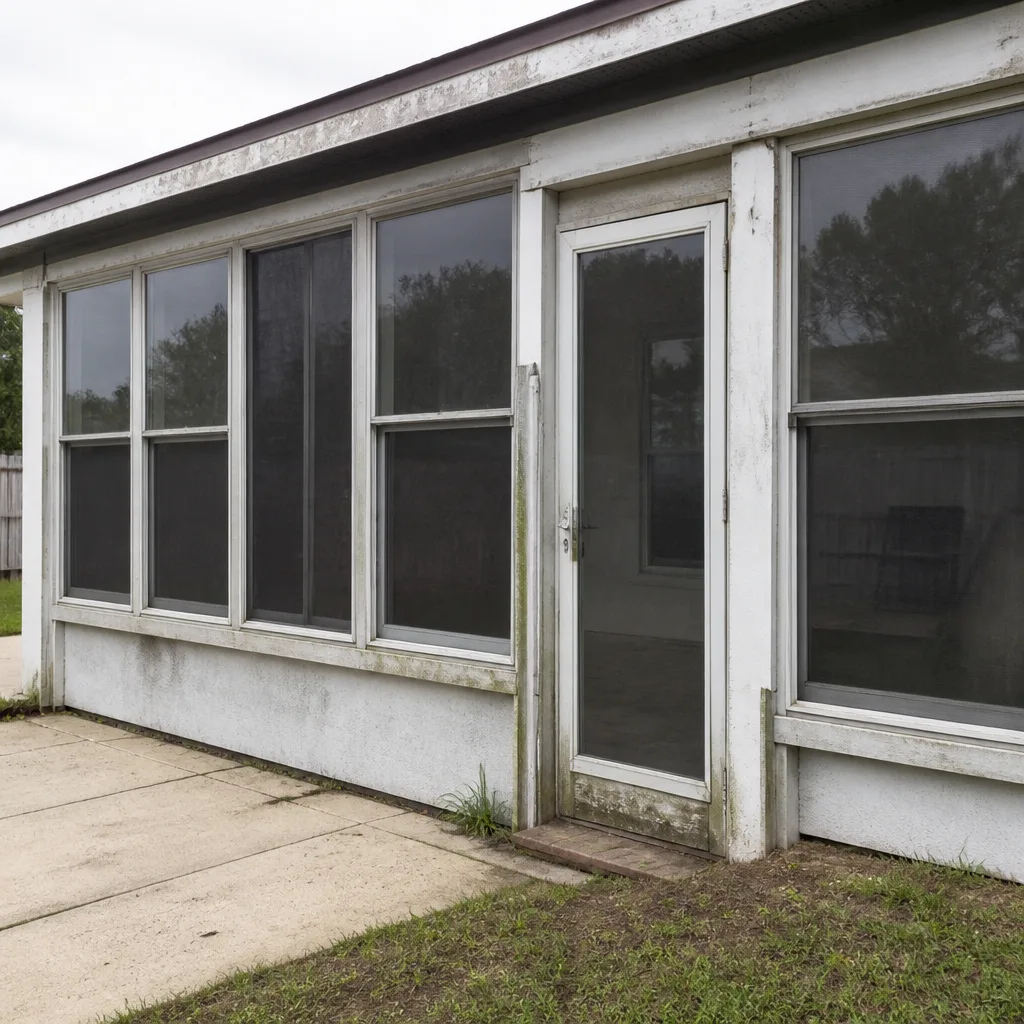 Before
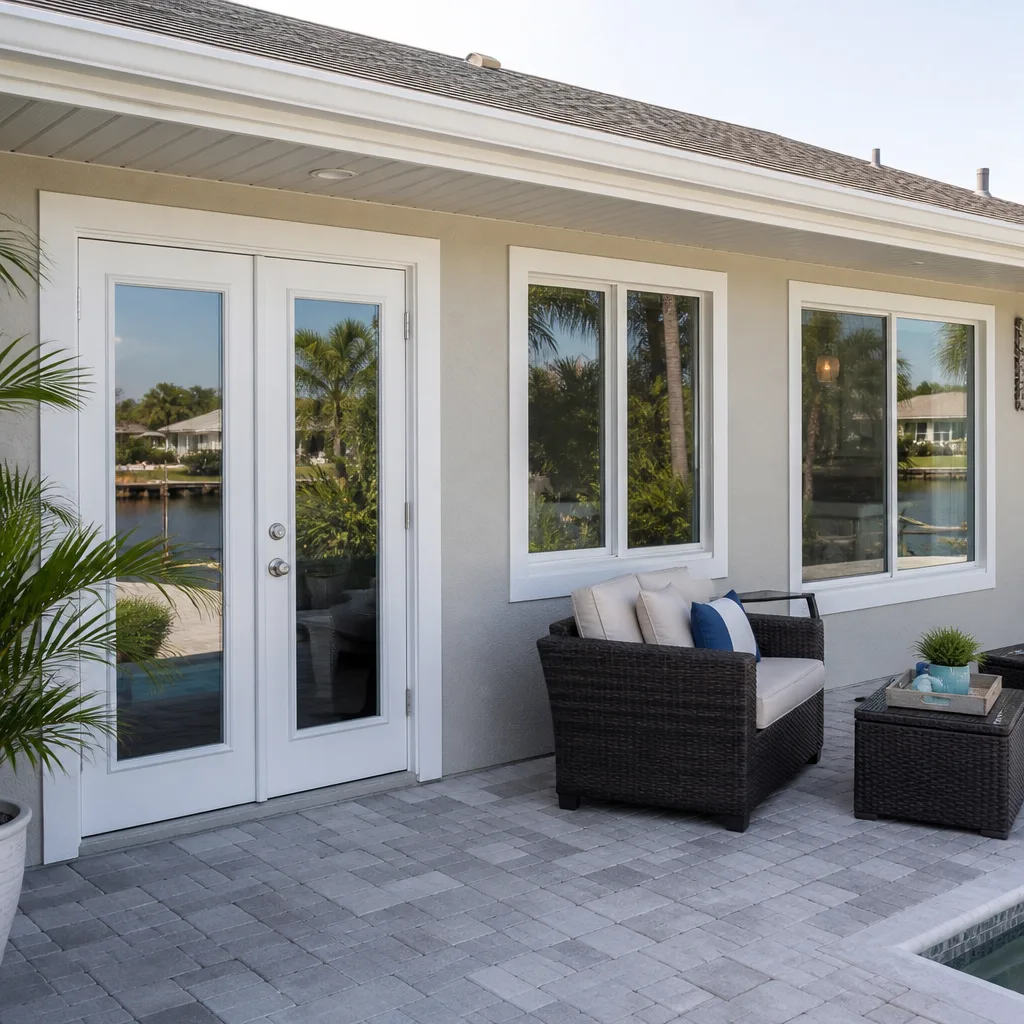 After
After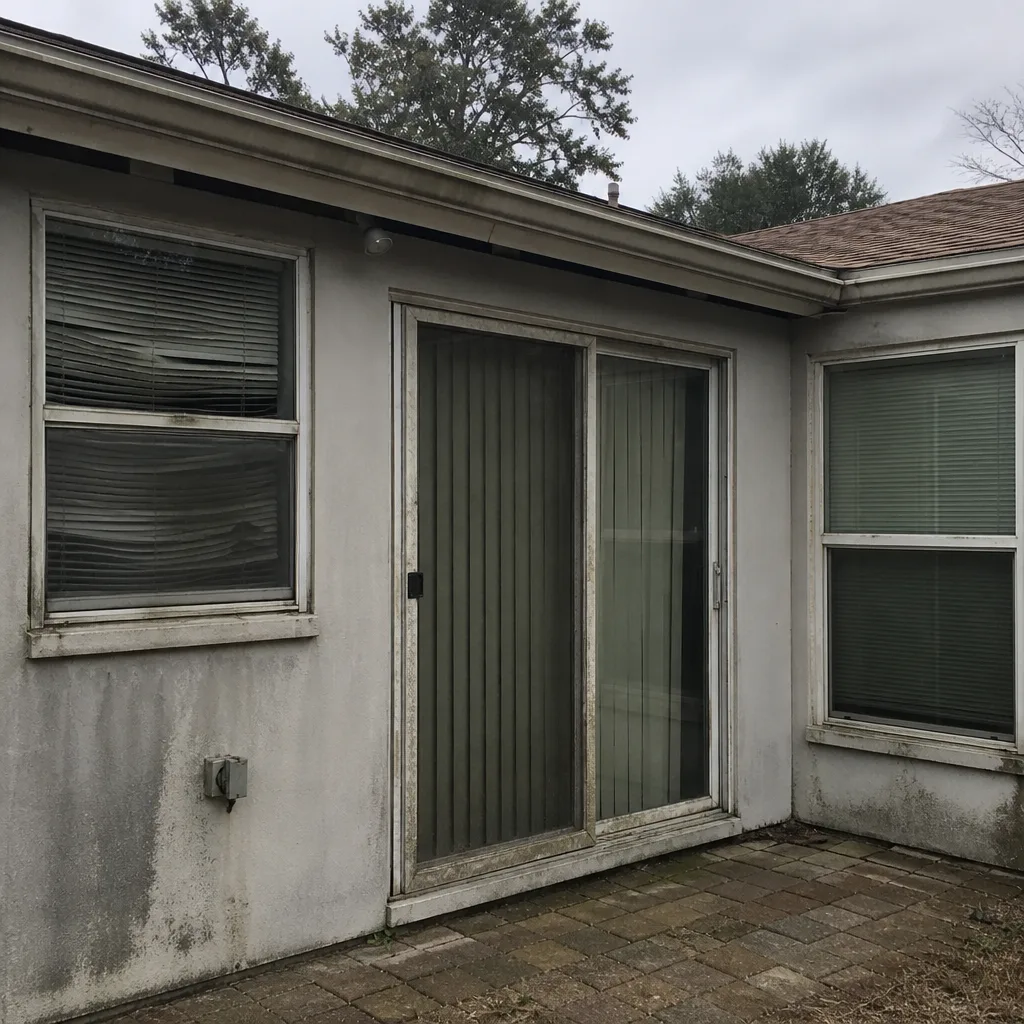 Before
 After
AfterDIY or Call Us?
CGI doors are not the place to learn hardware repair. The panels are heavier than standard residential doors, often 120 to 180 pounds, and the hinge and roller hardware is under load even when the door is just sitting in place. A slipping panel during a DIY hinge swap can cause serious injury, and an improperly seated roller on a sliding CGI can send the panel off its track entirely. If the job involves removing the door from its frame or working under a loaded hinge, that’s a professional call. Springs, tension systems, and anything involving the panel’s weight are never a weekend project.
What you can safely do is check the screws on the hinges and strike plate, clean debris out of the track on a sliding door, and wipe down the seal material with a mild soap solution. If the door binds after those basics, stop and call us at (850) 360-6785. We’ll talk you through what we think is wrong before we ever touch the door, and you’ll know the price before the work starts.
FAQs
A well-installed CGI door in Tampa can give you 15 to 20 years on the panel itself, but weatherstripping and sweeps usually last 5 to 8 years in our sun and humidity, and rollers in sliding units typically need replacement around year 8 to 10. Coastal homes near the bay see shorter lifespans on all seal material because of salt air. If you call, we can tell you what your specific series tends to need first.
Sometimes, but not usually. A hinge that’s simply loose can be reset, and a track that’s merely dirty can be cleaned. But a hinge pin that’s worn is worn, a sweep that’s cracked won’t re-form, and a roller with a flat spot stays flat. Repairing worn hardware often costs nearly as much as replacing it and lasts a fraction as long, so we recommend replacement when the part has actually failed. Call (850) 360-6785 and describe what you’re seeing, and Keith or one of the crew will tell you which camp your door falls into.
Most single-part replacements, like a sweep or a hinge set, take 45 to 90 minutes once we’re at the home. A roller replacement on a sliding CGI runs about an hour per panel including track cleanup. A full door installation usually takes half a day. We’ll tell you the window before we arrive, and we’ll call if the frame condition changes the picture once we’re in front of it.
We stock the most common CGI rollers, hinges, sweeps, and thresholds on our service trucks, along with parts for PGT, CWS, and ES Windows doors as well. If your CGI series needs something we don’t carry that day, we order it and give you a real delivery date. Most CGI-specific parts reach Tampa within three to five business days. Call us at (850) 360-6785 and we will check stock while you’re on the phone.
Call Lightwell Windows Tampa
If your CGI door is dragging, rattling, or refusing to latch, call (850) 360-6785 for a free estimate. Keith Yamada and our team serve Tampa and nearby areas, and we’ll give you a written price before any work starts. A light well is what brings daylight deep into a building, and that’s the same idea we bring to every door we hang: if it’s not letting the light in and keeping the weather out, let’s figure out what’s keeping it from doing its job. Light belongs inside the room, and we’ll make sure your door does too.
Written by Keith Yamada, Owner, Lightwell Windows Tampa at Lightwell Windows Tampa, serving Tampa and nearby areas.
Six Reasons Homeowners Choose Lightwell Windows Tampa
Impact systems engineered to design pressures up to +/-100, matched to your wind zone - your openings hold when the storm arrives.
Low-E insulated impact glass from our manufacturer lines commonly cuts monthly cooling bills 20-30%.
Laminated impact glass shuts out up to 40% of outside noise - traffic, neighbors, weather.
Monitoring services run $30-90 a month. Laminated impact glass resists forced entry around the clock, with no subscription.
Florida homeowners average around 25% savings on the windstorm portion of their policy after protecting every opening - some homes qualify for more.
A full impact package upgrades curb appeal, buyer confidence and appraised value in one project.