
Last updated October 17, 2026
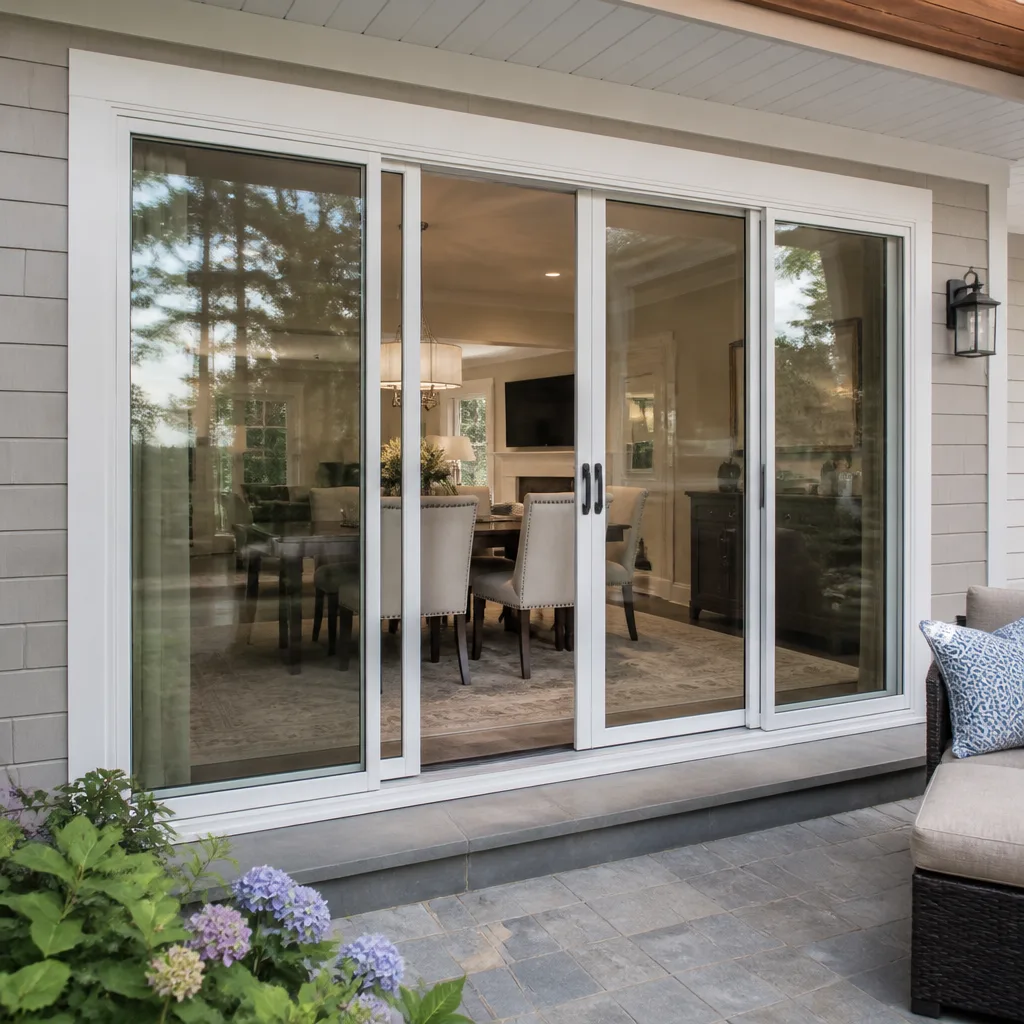 Sliding glass doors
 Single hung
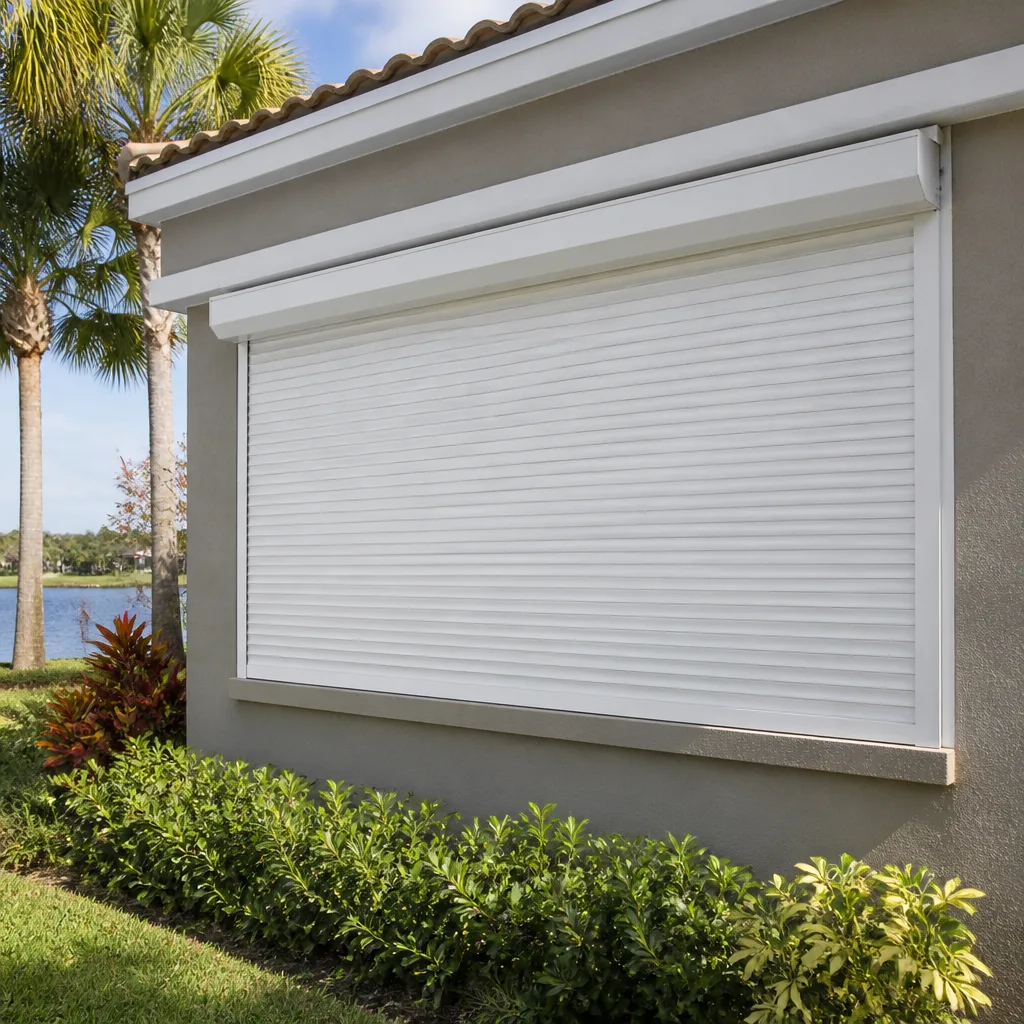 Horizontal roller
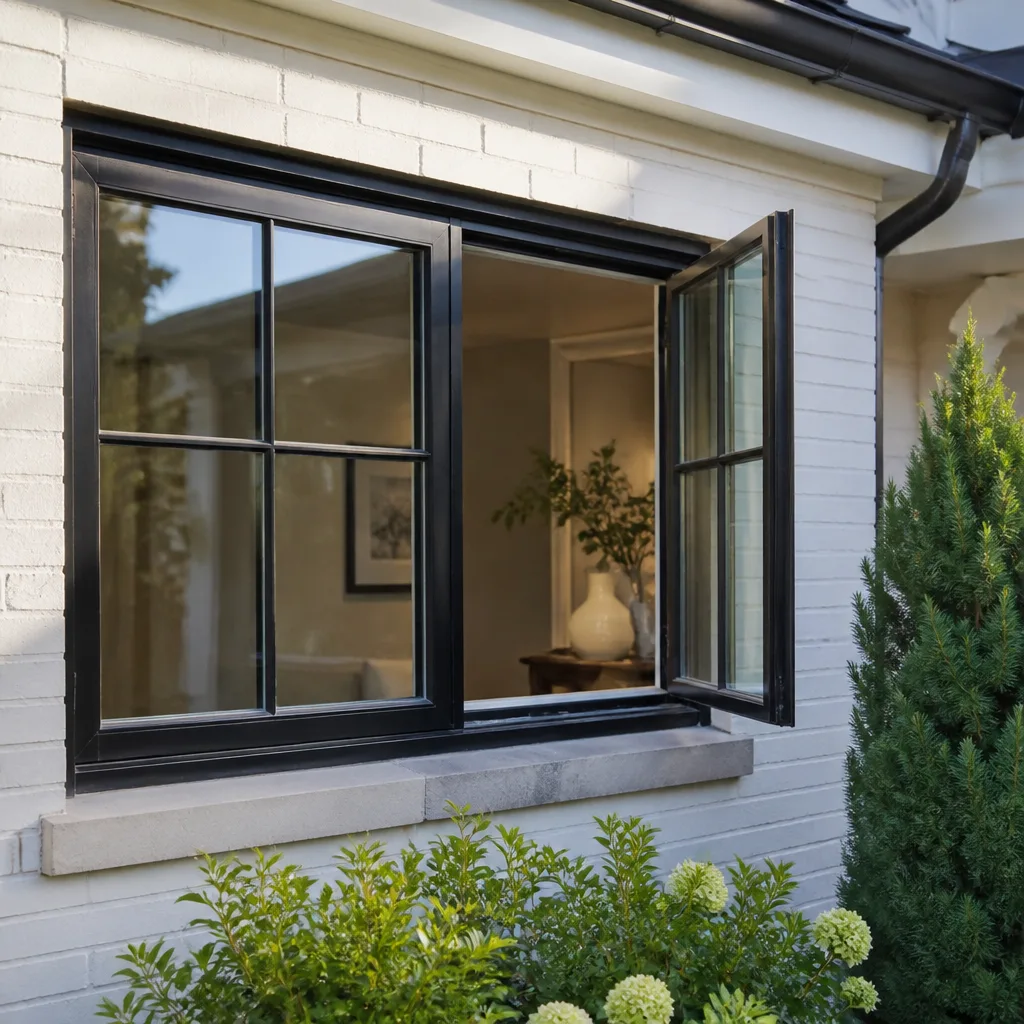 Casement
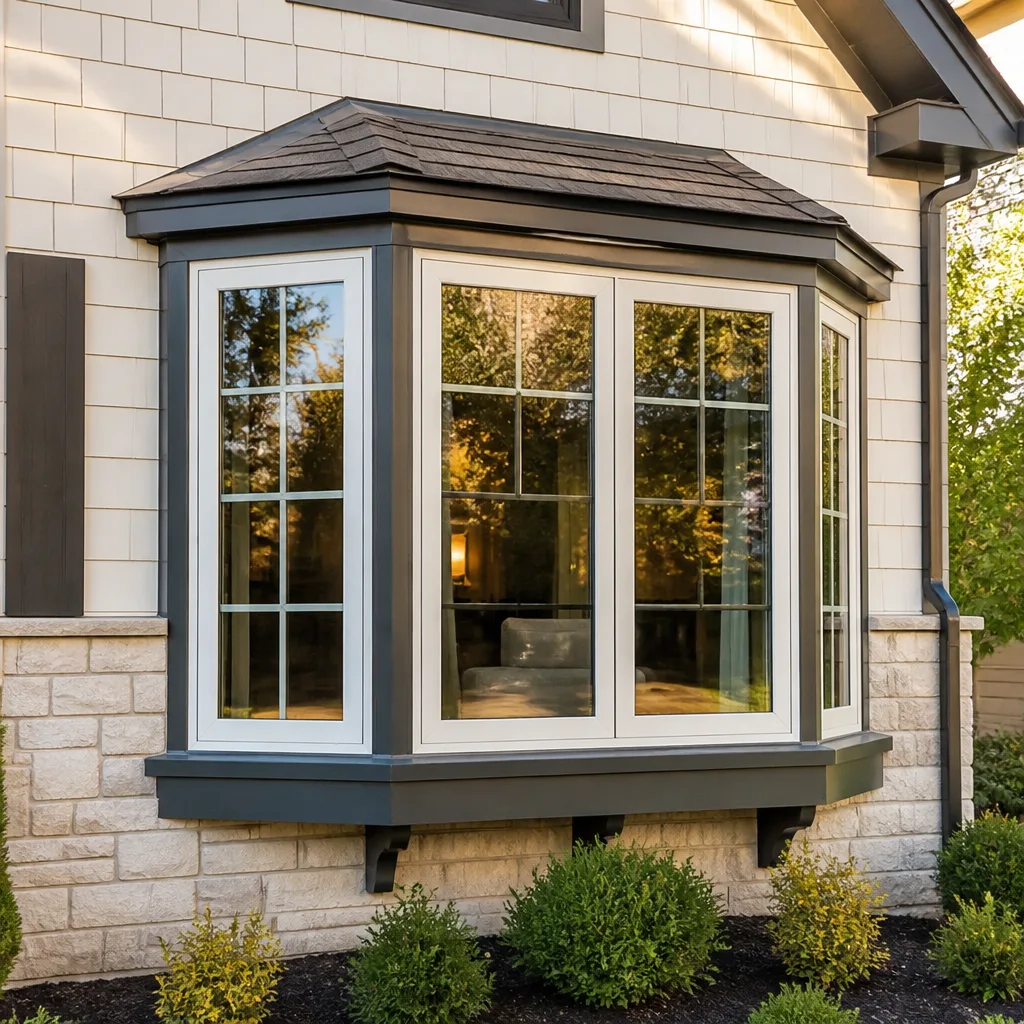 Bay & bow
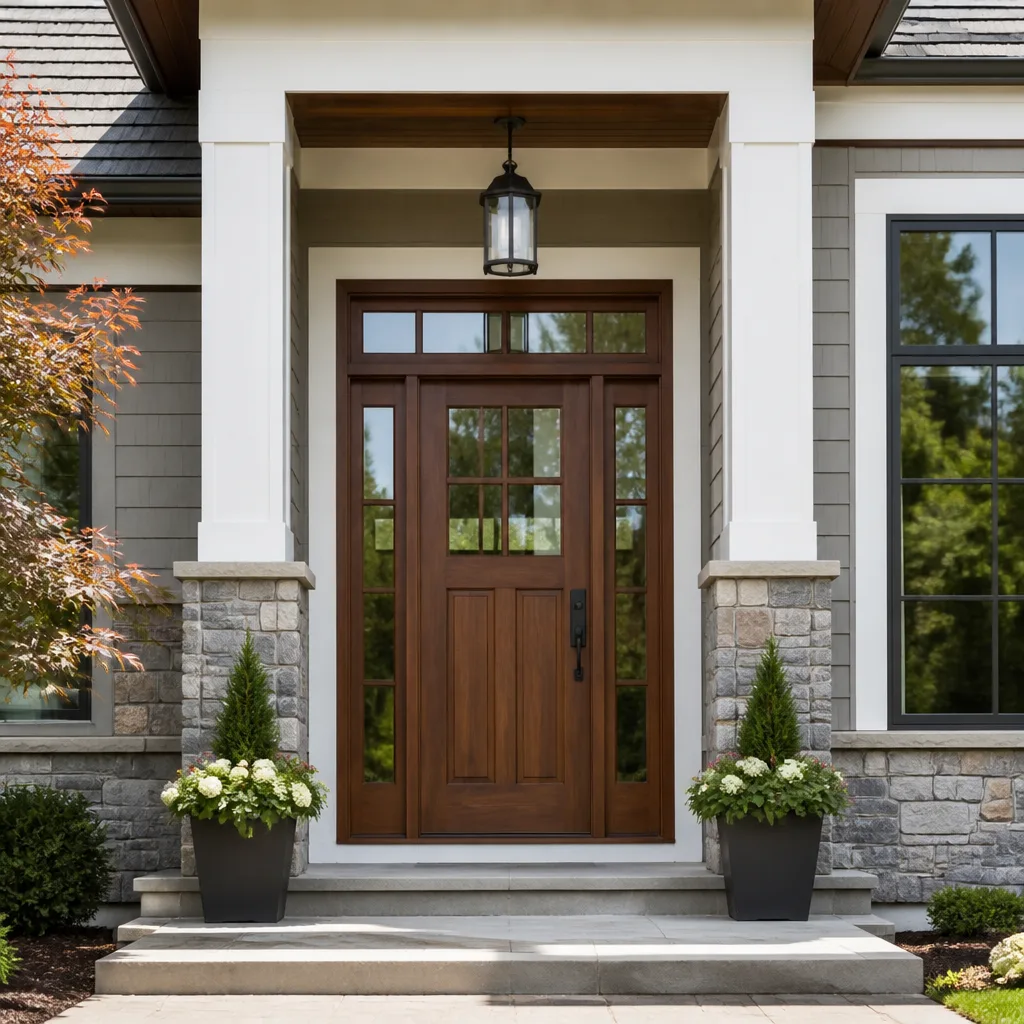 Entry doors
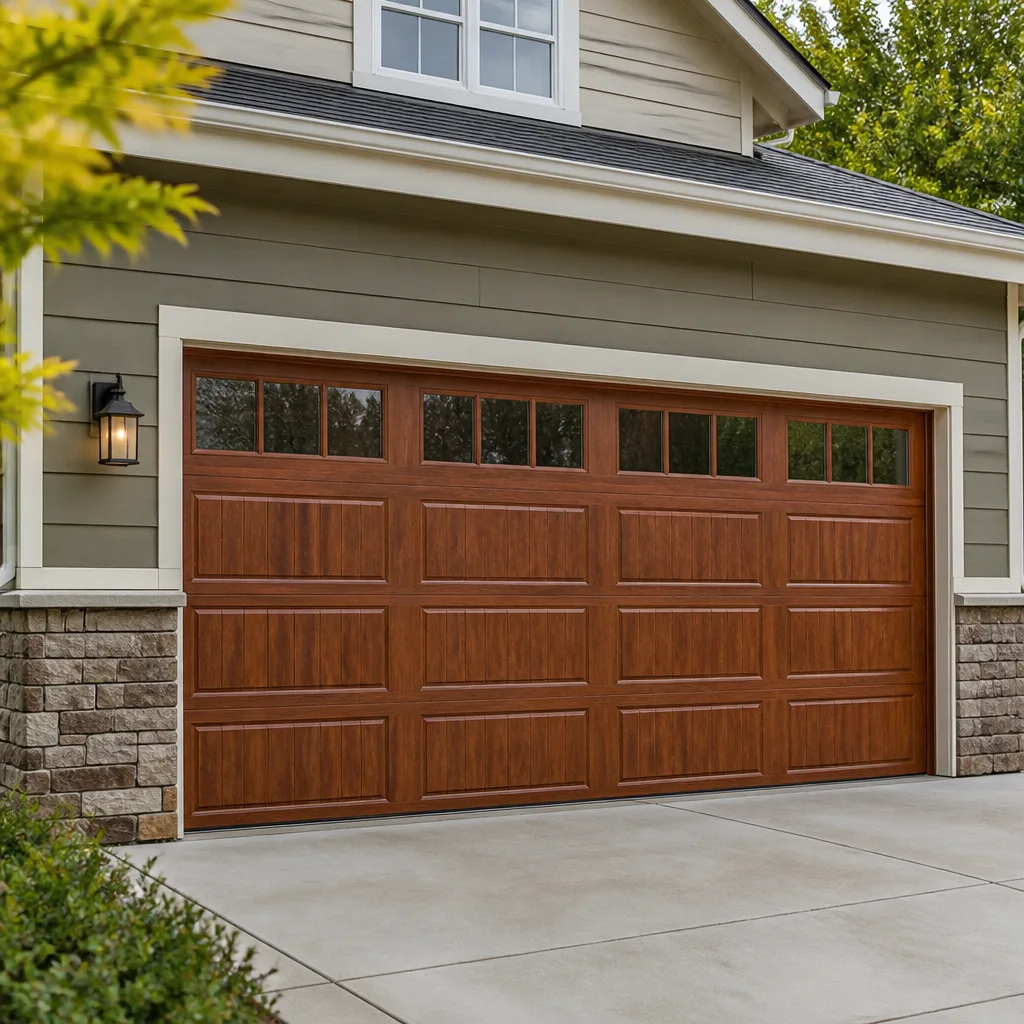 Impact garage doors
 PGT
PGT CGI
CGIFree in-home measure and quote - PGT, CGI and CWS impact lines compared on your actual openings, style by style
Get your free estimateWindows & Doors Permits, Codes & Inspections in FL: What You Need to Know
Florida Statute 553 requires a permit for nearly every window replacement, including same-size-for-same-size swaps. That means the contractor who says “we don’t need a permit for a straight swap” is already telling you something important about how they work. In Tampa, where wind-borne debris rules and humidity shape every product decision, the permit process is not bureaucratic overhead. It is the mechanism that protects your insurance coverage, your home’s sale-ability, and your structural warranty. This guide translates the code language into the six steps a homeowner actually experiences, from the first product approval check to the final inspection sign-off, and you can explore more guides & resources for related projects. You’ll learn what Hillsborough County actually requires, what inspections verify, and what skipping the process quietly costs you later.
Quick Answer
In Florida, any window or exterior door replacement that alters the opening, changes the product type, or affects the building envelope requires a permit issued by your local building department, and in Hillsborough County that means submitting a permit application with Florida Product Approval documentation before any work begins. Same-size window swaps and door replacements are not exempt just because the dimensions match. Expect the county review to take one to two weeks, the rough-in inspection to happen before the crew closes up any wall cavity, and the final inspection to be scheduled after trim and caulking are complete.
Styles & brands we work with
Table of Contents
- What Florida Law Actually Requires
- Florida Product Approval vs. Miami-Dade NOA: Which One Applies in Tampa
- The Hillsborough County Permit Sequence: From Application to Inspection
- The Energy Code (Chapter 13) and How It Filters Your Product Choices
- What the Rough-In Inspection Checks
- What the Final Inspection Checks
- The Consequences of Unpermitted Work
- Common Mistakes to Avoid
- When to Call a Professional
- Frequently Asked Questions
What Florida Law Actually Requires
Florida Statute 553.79 states that a building permit is required to construct, enlarge, alter, repair, move, demolish, or change the occupancy of a building or structure. Window and door replacement falls squarely under “alter” and “repair.” The statute does not carve out an exemption for same-size replacements, and Hillsborough County follows that state law without adding local loopholes. If the opening is being modified, if the product type changes from single-hung to casement, or if the rough opening gets reframed, the permit requirement is absolute. Even when everything lines up exactly, the county wants the product on file so the wind load and energy compliance calculations are verified against the Florida Building Code.
The Florida Building Code, 8th Edition (2023), governs all structural, wind, and energy provisions for windows and doors. Chapter 16 covers wind loads and missile impact requirements. Chapter 13 covers energy conservation. Chapter 17 covers product approval. Any window or door installed in a residential structure in Hillsborough County must meet the wind load requirements for the specific wind speed map zone and the energy performance requirements for Climate Zone 2. Those calculations are not done at the job site. They are done by the product manufacturer, submitted to the state, and issued as a Florida Product Approval. That approval number appears on the permit application. Without it, the application stalls.
In Tampa, the wind speed map governs everything. Most of Hillsborough County sits in a wind speed zone of 140 to 150 mph for Risk Category II residential structures. That translates to specific design pressure ratings for windows and doors. A product that passed testing in Georgia or Tennessee has no standing in Florida. The sticker on the product, the documentation from the manufacturer, and the permit application must all reference the Florida Product Approval number or a Miami-Dade Notice of Acceptance. Homeowners who skip this step end up with windows that may work beautifully for years but will complicate an insurance claim or a home sale the moment someone asks for paperwork, as detailed in our Windows & Doors Warning Signs: A Tampa Homeowner’s Reference Guide.
Florida Product Approval vs. Miami-Dade NOA: Which One Applies in Tampa
Florida runs two parallel product approval systems. The Florida Product Approval (FPA) process is administered by the Florida Department of Business and Professional Regulation and applies statewide. The Miami-Dade Notice of Acceptance (NOA) is administered by Miami-Dade County but is accepted in many jurisdictions as an alternative. For a Tampa homeowner, either document works as long as the product passed testing for the wind pressure required in Hillsborough County. The Florida Building Code accepts both, and Hillsborough County will process permits with either one attached. What matters is that the documentation is current, unexpired, and matches the exact product model being installed.
Here is a practical way to understand the difference. FPA is the statewide standard. NOA is Miami-Dade’s own stricter standard. A product with an NOA generally meets or exceeds what Florida requires elsewhere, because Miami-Dade’s testing includes additional missile impact protocols for the High Velocity Hurricane Zone. Tampa is not in the High Velocity Hurricane Zone. Hillsborough County falls outside that designation, so a statewide FPA is sufficient. But if a homeowner is replacing windows and sees an NOA number on a product, that is not a problem. It simply means the product passed the more demanding test. PGT, based in Venice, Florida, produces millions of windows with both FPA and NOA documentation. ViewLux and Mr-Glass products go through the same state process before they can be sold in Florida at all.
The document that actually gets filed with the permit application is a copy of the product approval drawing or a link to the approval number in the state database. The county reviewer checks that the product is approved for the design pressure requirements at the specific elevation and wind speed of the home’s address. A house near the water in South Tampa or on Davis Islands may have a higher design pressure than a house in Lutz or Temple Terrace. The permit reviewer verifies that the product matches the site. A reputable installer pulls these documents before the application is submitted, not after the inspector asks for them.
The Hillsborough County Permit Sequence: From Application to Inspection
The Hillsborough County Development Services Department processes window and door permits through an online portal. The sequence is predictable, but the calendar is not always fast. Here is the step-by-step flow a homeowner in Tampa actually experiences.
- Product selection and documentation. The homeowner selects a window or door product that carries a valid Florida Product Approval. The installer gathers the approval number, product drawings, and performance specifications.
- Permit application submittal. The licensed contractor submits the application to Hillsborough County. The application includes the property address, scope of work, product approval numbers, energy calculations, and a signed owner-builder disclosure if the homeowner is pulling the permit themselves. The contractor of record signs the application.
- Plan review. A county reviewer checks the product approvals against the wind load map and the energy code. For straightforward window and door replacements, plan review typically takes one to two weeks. Complex projects with structural changes take longer. The reviewer may issue comments requesting additional information.
- Permit issuance. Once the plan review passes and fees are paid, the permit is issued. The permit number must be displayed at the job site. Work can now begin.
- Rough-in inspection. After the old windows or doors are removed and before the new units are fully sealed and trimmed, the contractor calls for a rough-in inspection. The inspector verifies anchoring, flashing, and wind load connections. Do not let the crew close up the wall until this inspection passes.
- Final inspection. After trim, caulking, and cleanup are complete, the contractor calls for a final inspection. The inspector verifies the installation matches the approved permit documents and that the site is complete. The permit is then closed, and the homeowner receives a signed permit card or a digital record of completion.
Feeling the calendar matters. A homeowner who waits until the old windows are already out to start the permit conversation has just added two weeks to the project. A homeowner who handles permits on day one has a crew that can move from removal to installation to inspection without a gap. That is the difference between a 45-day project and a 90-day one. At Lightwell Windows Tampa, we file the permit application before any product is ordered, because the lead time on the product and the review time at the county run in parallel, not sequentially. That is a scheduling habit born from doing window replacement in Tampa for years, and it changes how a project feels inside the home.
The Energy Code (Chapter 13) and How It Filters Your Product Choices
Florida Building Code Chapter 13 sets the energy performance requirements for windows and doors. Hillsborough County sits in Climate Zone 2, which is the hot and humid climate classification used by the Department of Energy. For Climate Zone 2 residential projects, windows must meet a maximum U-factor of 0.50 and a maximum Solar Heat Gain Coefficient (SHGC) of 0.25, with trade-offs allowed under the overall energy budget method. Those two numbers govern every product a Tampa homeowner can legally install. They are not optional targets. They are the compliance ceiling.
U-factor measures how much heat transfers through the window in either direction. Lower is better. A window with a U-factor of 0.30 loses less cool air in the summer than one rated at 0.50. SHGC measures how much solar heat from direct sunlight passes through the glass. Lower is better in Florida. A window with an SHGC of 0.20 blocks more of the afternoon sun beating on a west-facing wall than one rated at 0.40. In Tampa, where the sun drives cooling bills from March through October, the SHGC number often matters more than the U-factor. A home in South Tampa with mature shade trees can tolerate a slightly higher SHGC than a home in New Tampa with full sun exposure on the back elevation. The code sets a ceiling. The site conditions and the homeowner’s comfort tolerance set the practical choice below that ceiling.
Here is where product quality separates itself. A generic aluminum-frame single-pane window will not meet the Chapter 13 SHGC limit without expensive glazing upgrades. A dual-pane insulated unit with a low-e coating from a manufacturer like PGT or ViewLux will clear the bar comfortably, and the better units will clear it by a wide margin. Mr-Glass produces impact-rated laminated glass packages that also meet the energy code. Therma-Tru builds exterior doors with foam-core construction and adjustable sills that seal against the humid outside air. The code filters the products before the homeowner ever visits a showroom. If three products pass the code test, the homeowner chooses among them based on appearance, price, and warranty. If a product fails the code test, it never reaches the conversation.
The permit application in Hillsborough County requires an energy compliance document. That document lists the specific U-factor and SHGC of each window or door being installed. The county reviewer confirms those numbers against Chapter 13. If a contractor cannot produce that document, the permit will not issue. That is one reason why a written line-item quote with product names and model numbers matters so much. The numbers on the quote should match the numbers on the energy compliance form. When they do not, the estimate was built on assumption, not on the actual product that will arrive at the house.
What the Rough-In Inspection Checks
The rough-in inspection is the checkpoint that happens after the old window or door is removed and the new unit is set in the opening, but before the crew applies finish trim, seals the interior gaps, or covers any flashing. The inspector is looking at the physical connection between the product and the structure of the house. This is the inspection that verifies the window will stay put during a storm.
Three things get checked. First, anchoring. The inspector verifies that the window or door flange is fastened to the rough opening with the fastener type and spacing shown on the product approval drawing. Nails or screws that are too short, too far apart, or driven through the wrong part of the frame will fail. Second, flashing. The inspector checks that the rough opening is flashed correctly, with the sill pan at the bottom, the jambs lapped over the sill pan, and the head flashing lapped over the jamb flashing. In Tampa’s summer rainstorms, water that gets past the window unit wets the wall cavity and rots the framing from the inside out. The flashing is what redirects that water back to the exterior face of the wall. Third, wind load connection. The inspector verifies that the product is approved for the design pressure required at the specific elevation and exposure of the home’s location.
This inspection is why the crew cannot close up the wall before the inspector arrives. If the drywall or interior trim goes on first, the inspector cannot see the fasteners, the flashing, or the sill pan. Hillsborough County will not accept photos after the fact. The inspector physically looks at the installation before the interior finishes cover it. Homeowners who have never been through a window replacement may push their contractor to finish the room quickly. But rushing the rough-in inspection is exactly how a home ends up with hidden water damage that no one discovered until the drywall started staining. The schedule is the schedule because the inspection is the verification. A careful contractor explains this to the homeowner before the old window comes out, so the open wall is expected, not alarming.
At Lightwell Windows Tampa, our technicians know the county inspector may want to see the flashing tape pattern at the sill and the fastener spacing around the frame. So we install to the product approval drawing and leave the work visible until the inspection passes. The drywall goes back on only after the inspector signs off. It is the same standard we apply on window installation in Tampa and on every door we set.
What the Final Inspection Checks
The final inspection happens after the rough-in inspection passes and after the installation is fully complete. Trim is on, caulking is applied, hardware is installed, and the interior is cleaned. The inspector confirms that the installed product matches the approved permit documents: same manufacturer, same model, same size, same approval number. If the permit application listed a PGT 2300 single-hung and the installed unit is a PGT 5500, the inspector can flag the mismatch. The correction involves a permit revision, which costs time and money.
The inspector also checks the operation of the window or door. For windows, that means opening and closing each sash, checking the locks, and confirming the unit sits plumb and level in the opening. For hinged doors, that means checking the swing, the latch alignment, and the threshold seal. For sliding doors, the inspector checks the track, the roller adjustment, and the interlock at the meeting stile. Doors and windows that bind, rattle, or refuse to latch will not pass. These are not cosmetic issues. A window that does not lock is a security issue. A door that does not latch is a wind and water issue.
Finally, the inspector checks that the project site is left in safe condition. That includes no exposed fasteners, no construction debris, and no trip hazards from staging materials. When the inspection passes, the permit is closed and the homeowner receives the final approval record. That piece of paper matters. It is the document that proves the work was done with a permit and passed inspection. Keep it with your closing documents. The day may come when an insurance adjuster asks for it, or a title company requests it before a sale, or you simply want to remember who did the work and when. In Tampa, we tell every homeowner to file the permit card in the same folder as their homeowner’s insurance policy. The two documents are linked more tightly than most people realize.
The Consequences of Unpermitted Work
Unpermitted window and door work creates three specific problems in Florida, and each one compounds the others. The first is structural and financial: if the work was done without a permit, the homeowner has no county record that the installation ever passed inspection. If a storm blows a window out, the insurance claim can become tangled in questions about whether the opening was correctly flashed and anchored. The homeowner becomes the one who must prove the work was done right, and without a permit record, that proof is hard to produce.
The second consequence is a code violation lien. Hillsborough County can issue a notice of violation for unpermitted work, and if the violation is not corrected, the county can record a lien against the property. That lien sits in the public record and interferes with refinancing, home equity borrowing, and sale. The correction typically involves pulling an “as-built” permit, which requires opening up finished work so an inspector can verify the installation. That is the re-opening finished work problem. A window that was installed two years ago and drywalled over has to be exposed, inspected, and then refinished. The cost of the after-the-fact permit frequently exceeds what the original permit would have cost, because it includes the demolition of finish work that was already paid for once.
The third consequence is the disclosure requirement in Florida real estate contracts. The Florida Realtors/Florida Bar contract includes language asking the seller to disclose any improvements made without required permits. Lying on that disclosure creates legal exposure. Telling the truth creates a negotiation problem: the buyer may demand the seller cure the unpermitted work before closing, or reduce the price, or walk away. In a competitive Tampa market, buyers have leverage, and unpermitted windows and doors are exactly the kind of item a home inspector flags on page six of the inspection report. The seller who saved $800 on a permit fee now faces a $5,000 price concession. It is a poor trade.
The simple math: the permit is the cheapest insurance policy on a window project. A homeowner who understands this never lets a contractor talk them out of the permit. The contractor who skips permits is not doing the homeowner a favor. They are transferring risk from their business to the homeowner’s family.
Common Mistakes to Avoid
- Believing “same size means no permit.” Florida law does not exempt same-size replacements. Hillsborough County requires a permit for window and door replacement even when the dimensions never change. The contractor who says otherwise is either uninformed or indifferent to your long-term risk.
- Skipping the energy compliance document. The energy calculations are not optional paperwork. They are the proof that your new windows meet the Chapter 13 U-factor and SHGC limits for Climate Zone 2. Without them, the permit will not issue, and the work sits frozen.
- Covering up the rough opening before the inspection. The rough-in inspection is the moment the county verifies anchoring, flashing, and wind load connections. Once the drywall goes up, that inspection cannot happen, and the county will not accept photos in place of physical verification.
- Choosing a product without checking the Florida Product Approval. A window that looks good in a showroom but has no FPA or NOA number cannot be permitted in Tampa. Always ask for the approval number before paying a deposit.
- Using a contractor who does not list permits on the written estimate. A written line-item quote should include the permit fee as a separate line item. If it does not, ask where the permit cost sits. The answer matters.
- Throwing away the final permit approval. The closed permit is the document that proves your installation was done to code. File it with your homeowner’s insurance policy. You will want it someday.
- Treating the energy code as a suggestion. Climate Zone 2 in Florida is unforgiving. A window with an SHGC above the limit will overheat the room, spike the cooling bill, and fail the permit review. The code is the floor, not the ceiling.
When to Call a Professional
Window and door permitting in Florida involves state code, county process, product approval documentation, and inspection scheduling that most homeowners rightly do not want to manage alone. Call a professional if you are replacing multiple windows and are not sure which product approvals apply to your wind speed zone, if the project includes any opening-size changes or structural work, or if a previous contractor offered to skip the permit and you want a second opinion on what that means for your home. Call if you are preparing to sell and need to know whether your existing windows and doors carry proper documentation. Call if you simply want someone to handle the entire sequence and hand you a closed permit at the end. Lightwell Windows Tampa offers free estimates in Tampa, and our Lightwell Windows Tampa home page explains our process in detail. Call (850) 360-6785 to schedule a walkthrough.
Frequently Asked Questions
Yes. Florida Statute 553 requires a permit for virtually every window replacement, including same-size-for-same-size swaps. Hillsborough County follows this state law, and the permit must be issued before the old window comes out. A closed permit is also the document that protects your insurance coverage and home sale later.
For a straightforward window or door replacement with complete product approval documents, plan review typically takes one to two weeks. The full sequence, from application submittal to final inspection, commonly runs between two and four weeks depending on inspection scheduling and the contractor’s workload. The permit application should be submitted before product is ordered so the review and the manufacturing lead time run concurrently.
Florida Product Approval (FPA) is the statewide standard administered by the Florida DBPR. Miami-Dade Notice of Acceptance (NOA) is a county-run standard that is stricter and includes additional missile impact testing for the High Velocity Hurricane Zone. Tampa is not in that zone, so a statewide FPA is sufficient for Hillsborough County permits. An NOA is also accepted and simply means the product passed a more demanding test.
Tampa sits in Climate Zone 2, which requires windows to meet a maximum U-factor of 0.50 and a maximum SHGC of 0.25 for residential projects under Florida Building Code Chapter 13. Lower numbers are better: a U-factor around 0.30 and an SHGC around 0.20 will outperform the code floor and cut cooling costs. Your permit application must include an energy compliance document showing your chosen products meet these limits.
You can, but the sale will involve a disclosure problem. Florida real estate contracts require sellers to disclose unpermitted improvements. Buyers often demand a price concession, a permit correction, or both. The county can also issue a violation and record a lien for unpermitted work. The cost of a retroactive permit frequently exceeds the original permit because finished work must be opened up for inspection.
Yes. We handle the complete Hillsborough County permit sequence as part of our door installation in Tampa and window replacement projects. The permit fee appears as a line item on our written estimate before any work starts, and we do not begin removal until the permit is issued. Call (850) 360-6785 for an exact quote on your project. Estimates are free.
The Bottom Line
Florida’s window and door permit process is the mechanism that protects a Tampa homeowner’s insurance coverage, sale-ability, and structural warranty. The permit verifies that your new windows and doors meet the wind load and energy requirements for the site, that the installation was anchored and flashed correctly, and that the work is on record with the county. Skipping the permit saves a few hundred dollars up front and creates thousands in downstream risk. The six-step sequence we have outlined, from product approval to final inspection, is the same pathway a careful contractor follows on every project. Choose products that carry current Florida Product Approval numbers. Check the energy compliance numbers against Chapter 13. Let the rough-in inspection happen before the wall is closed. File the final permit approval where you will find it. A light well is what brings daylight deep into a building, and that is what a well-installed, properly permitted window should do for your home. If you are planning a project in Tampa, call (850) 360-6785 for a written estimate before any work starts.
Written by Keith Yamada, Owner at Lightwell Windows Tampa, serving Tampa since 2010.
See the difference
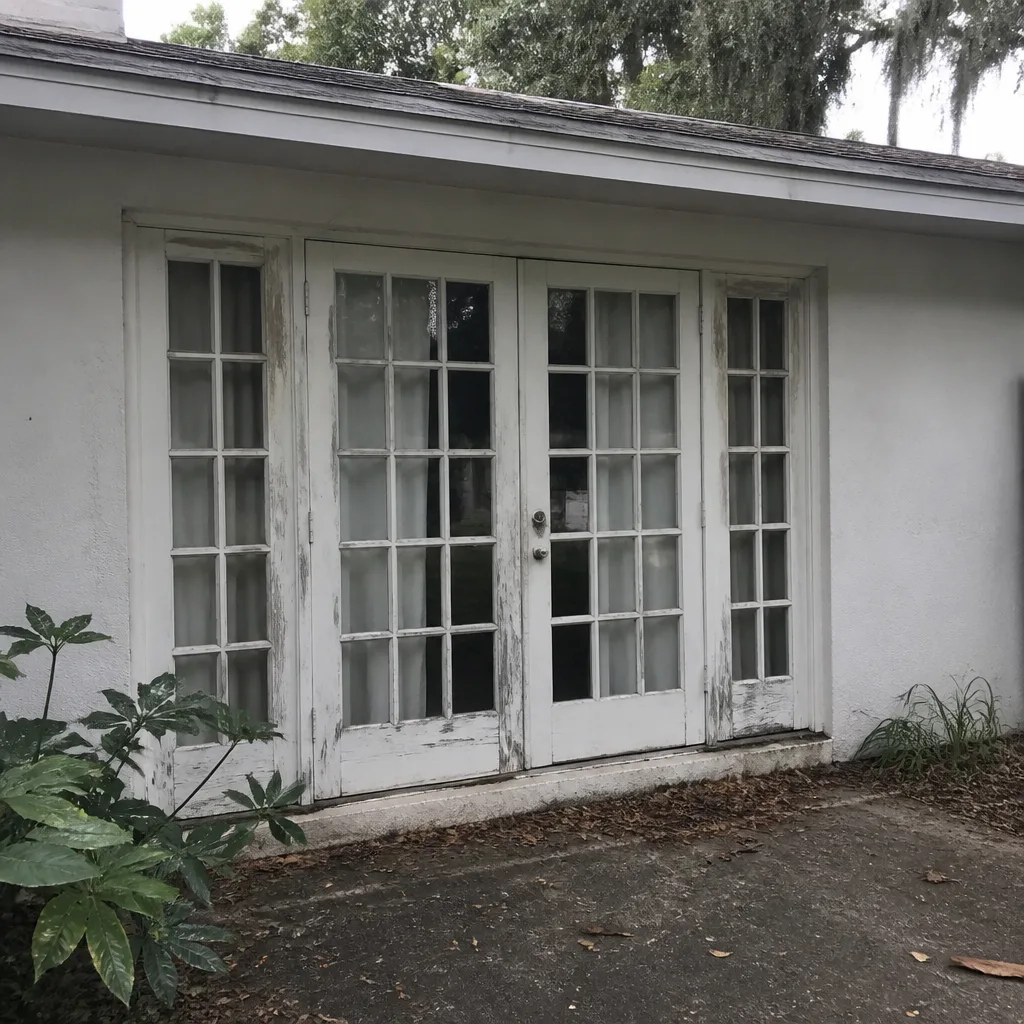 Before
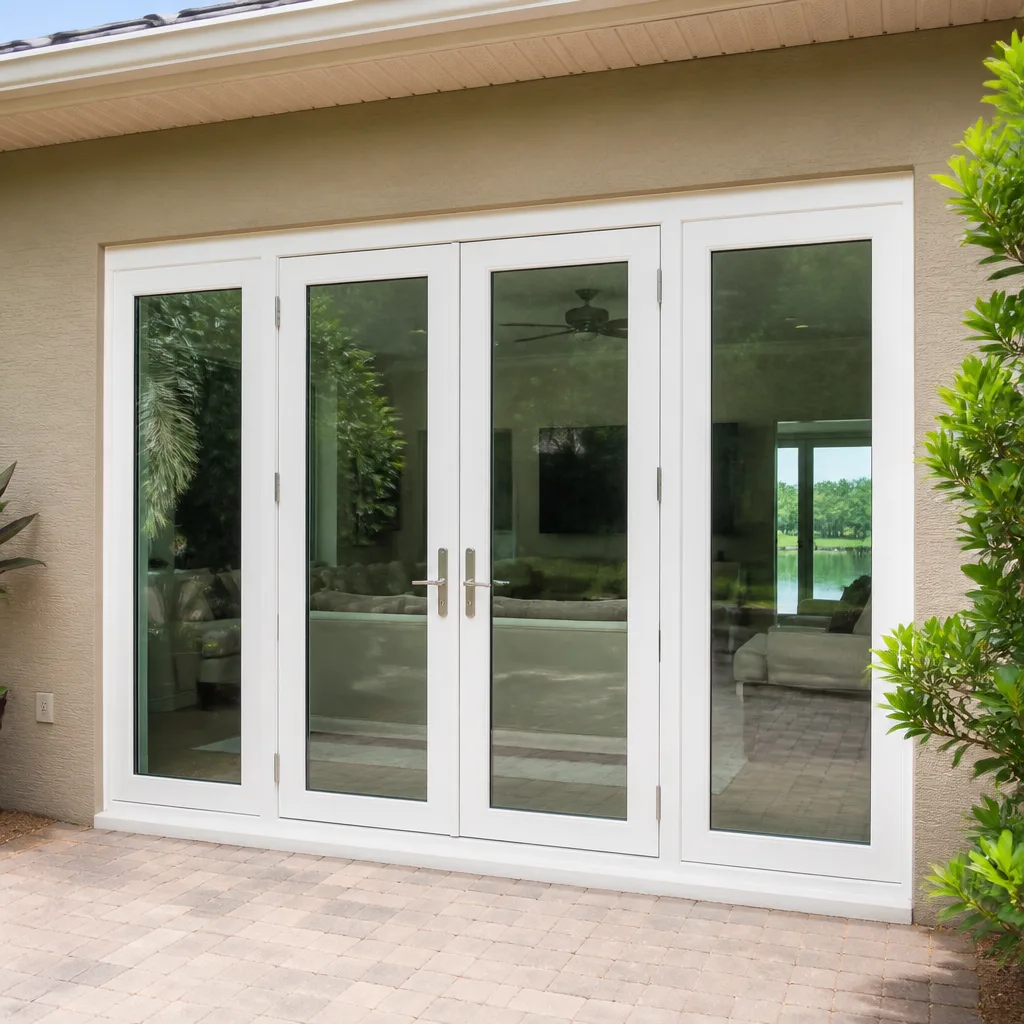 After
After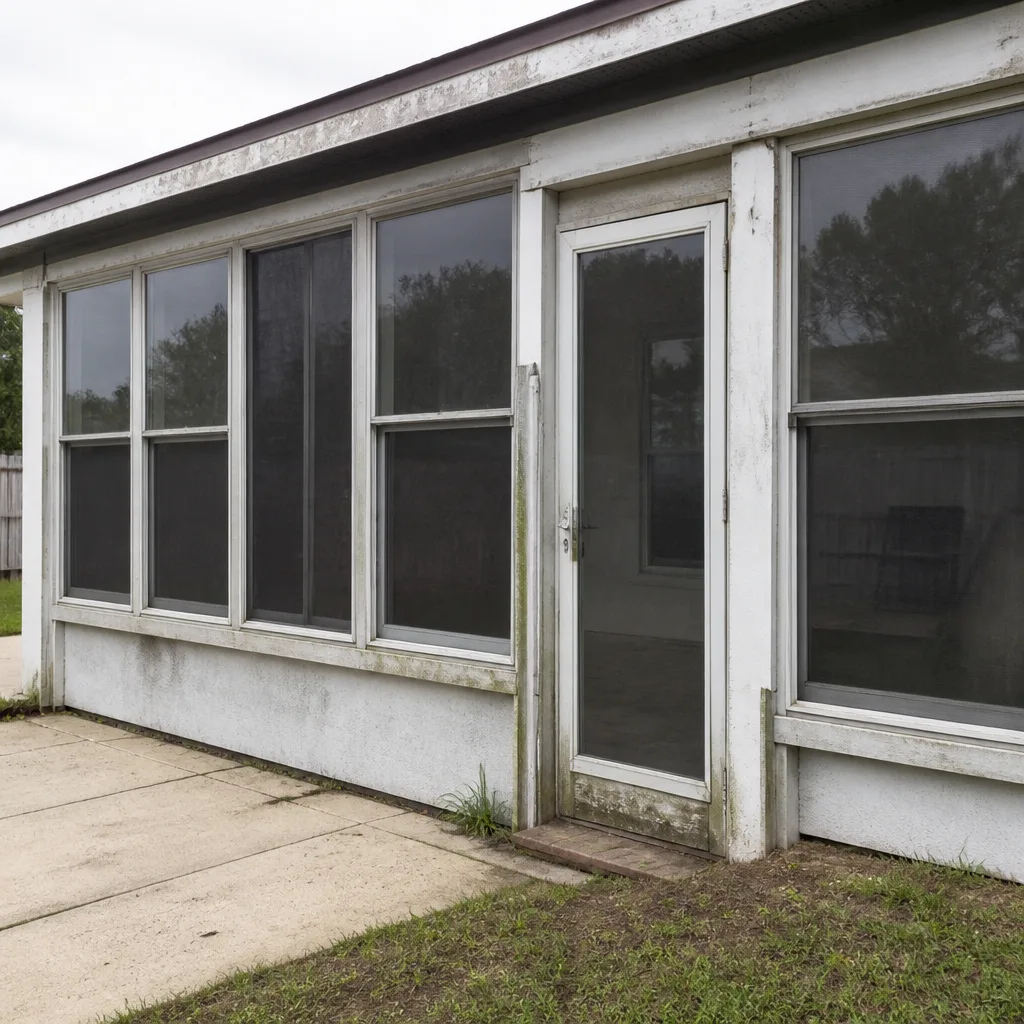 Before
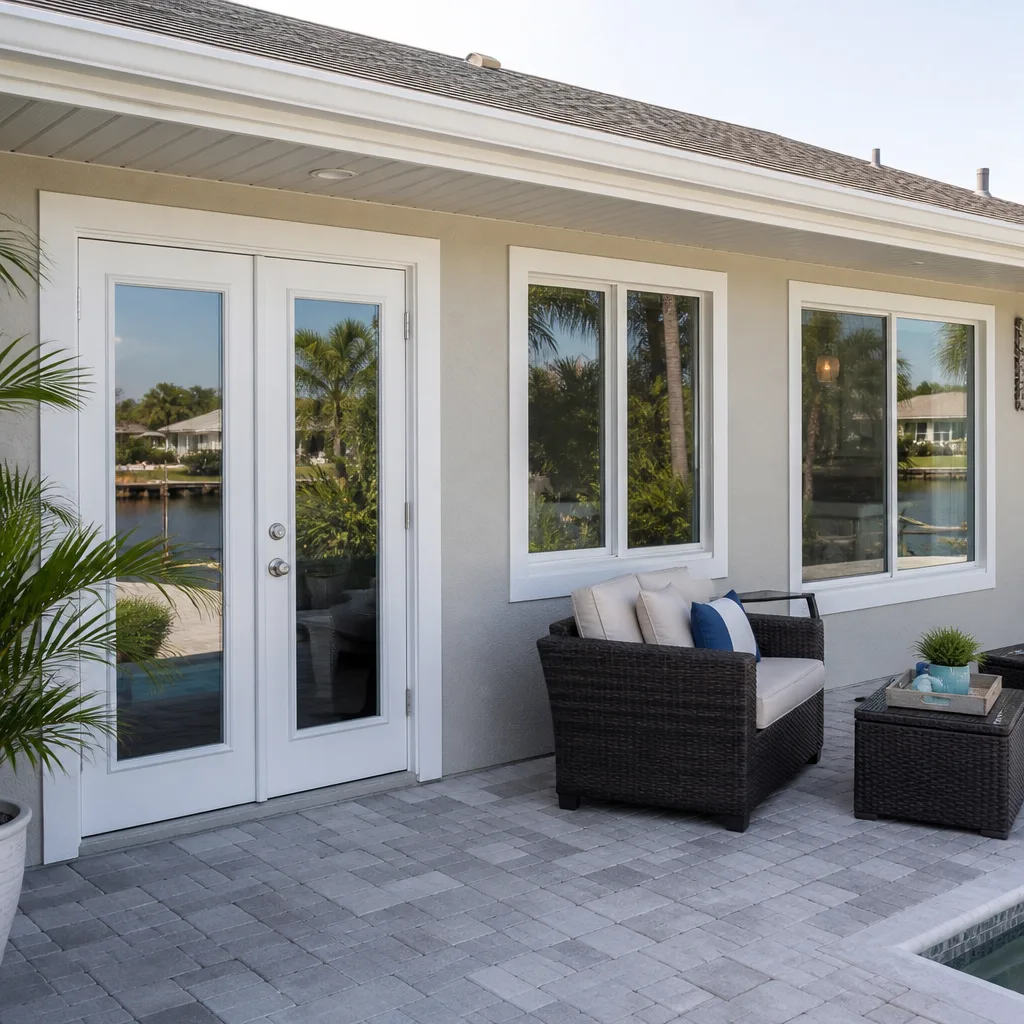 After
After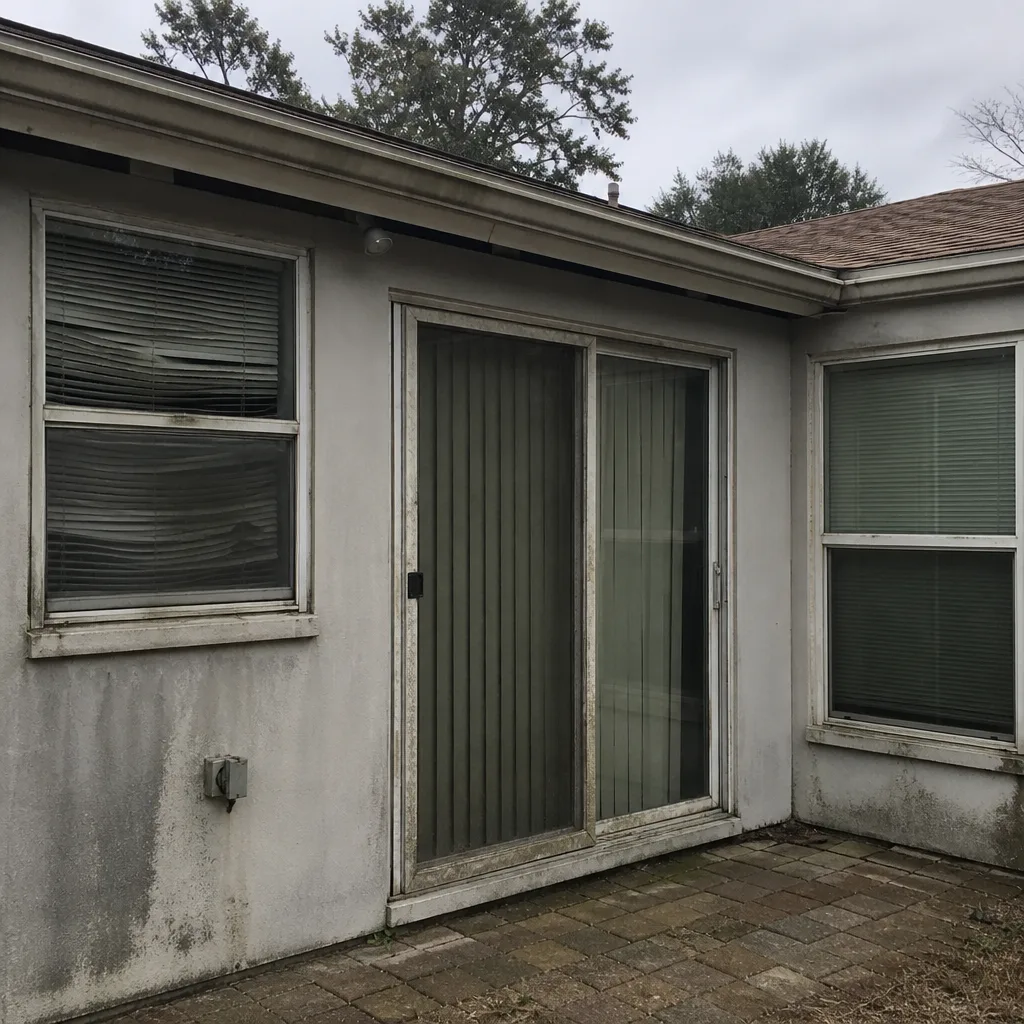 Before
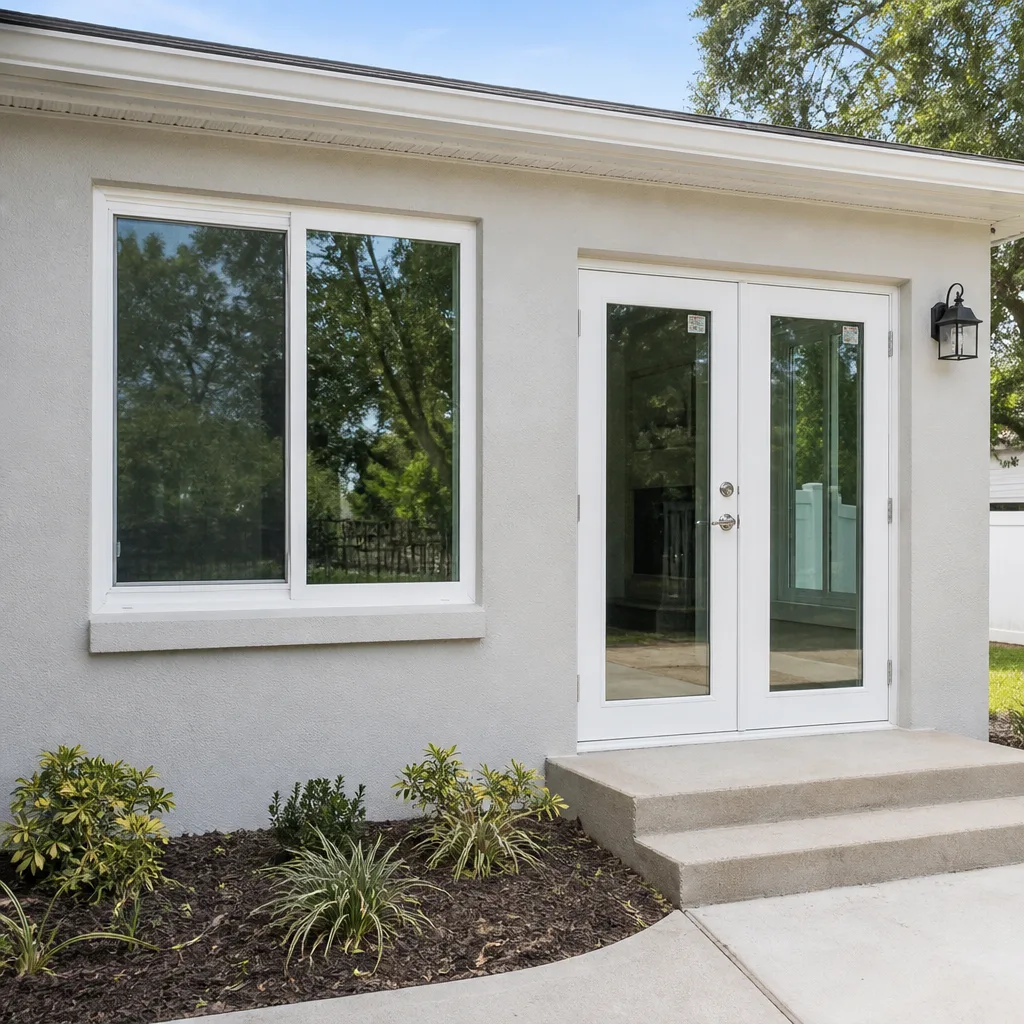 After
AfterSix Reasons Homeowners Choose Lightwell Windows Tampa
Impact systems engineered to design pressures up to +/-100, matched to your wind zone - your openings hold when the storm arrives.
Low-E insulated impact glass from our manufacturer lines commonly cuts monthly cooling bills 20-30%.
Laminated impact glass shuts out up to 40% of outside noise - traffic, neighbors, weather.
Monitoring services run $30-90 a month. Laminated impact glass resists forced entry around the clock, with no subscription.
Florida homeowners average around 25% savings on the windstorm portion of their policy after protecting every opening - some homes qualify for more.
A full impact package upgrades curb appeal, buyer confidence and appraised value in one project.