
Last updated October 17, 2026
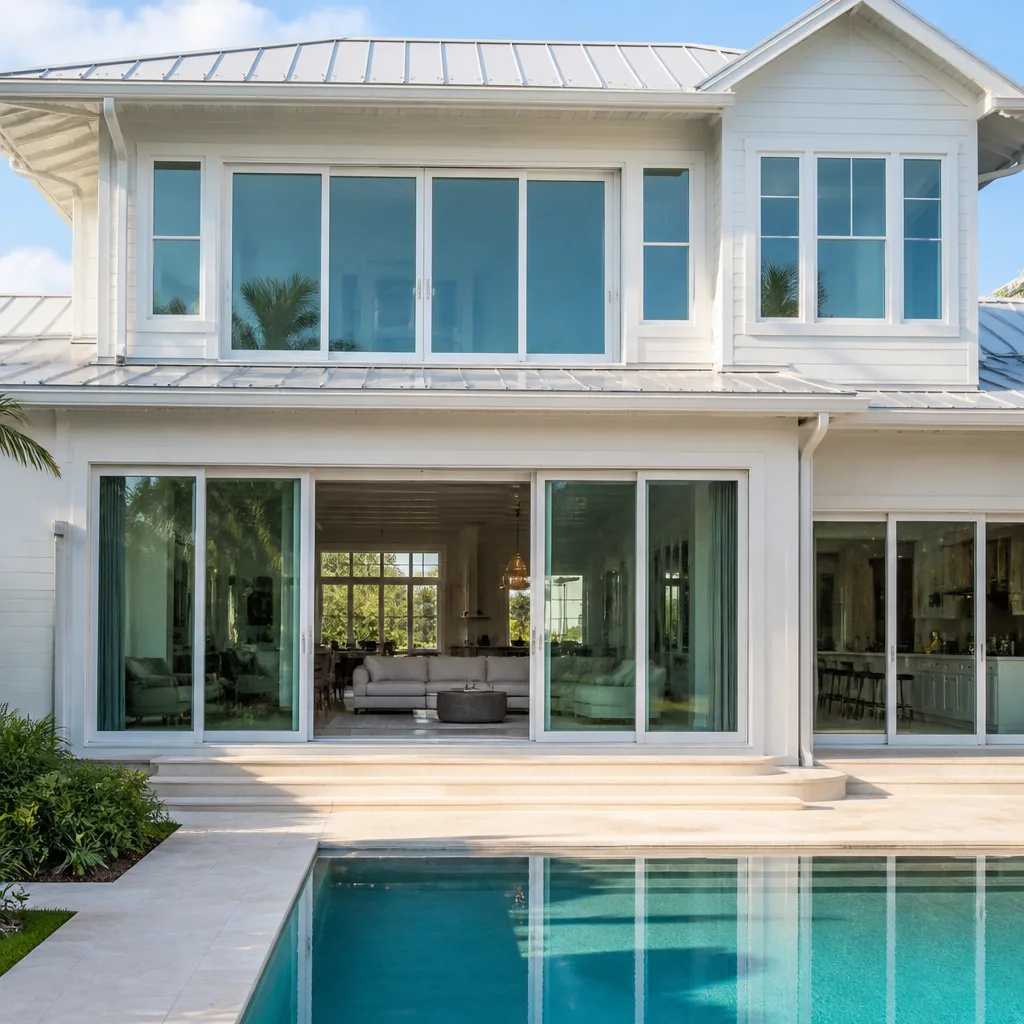
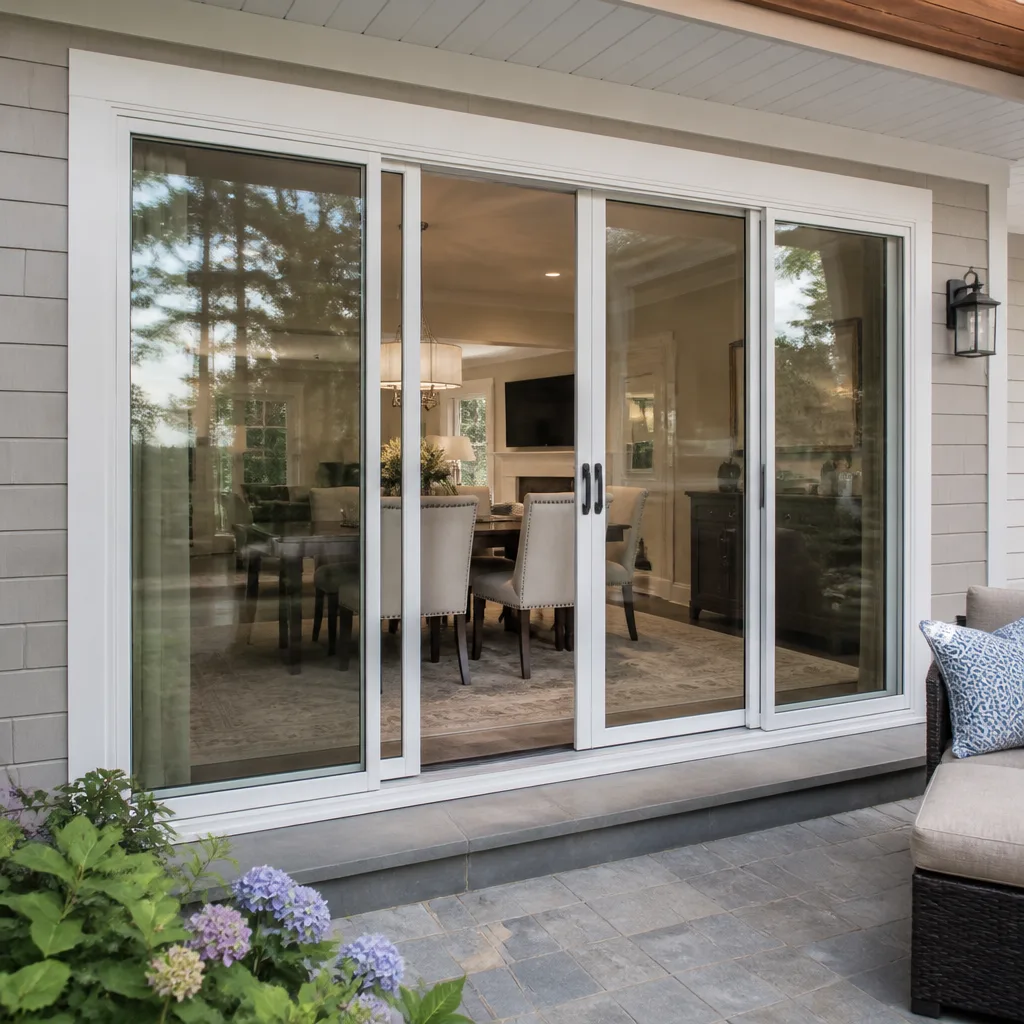 Sliding glass doors
 Single hung
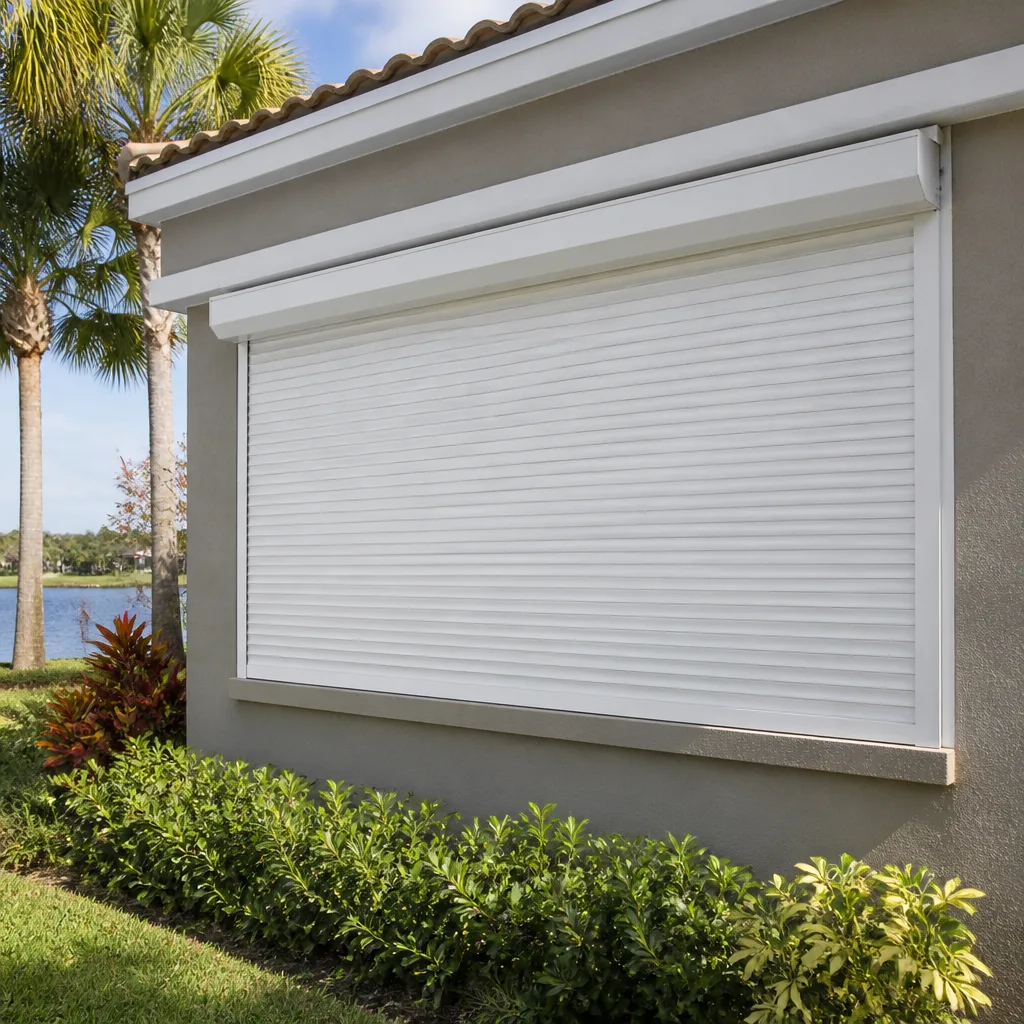 Horizontal roller
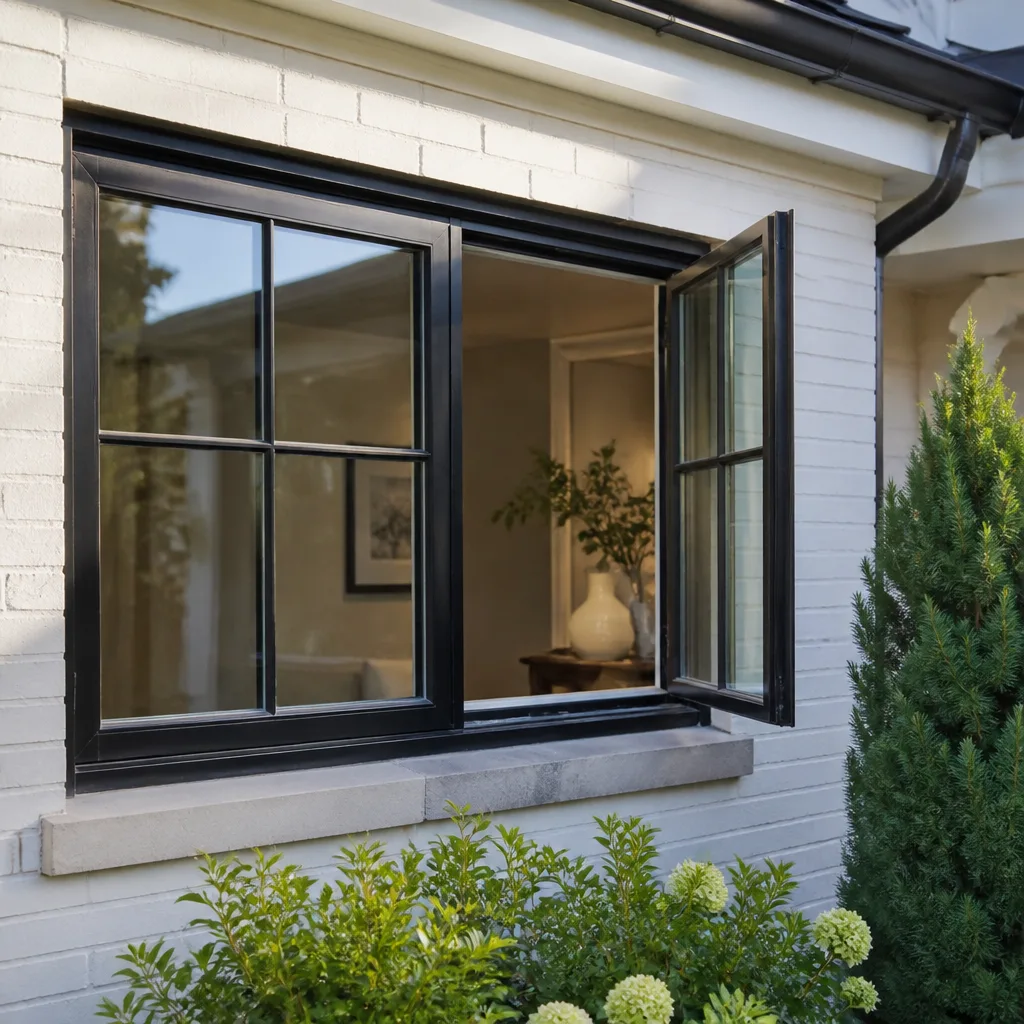 Casement
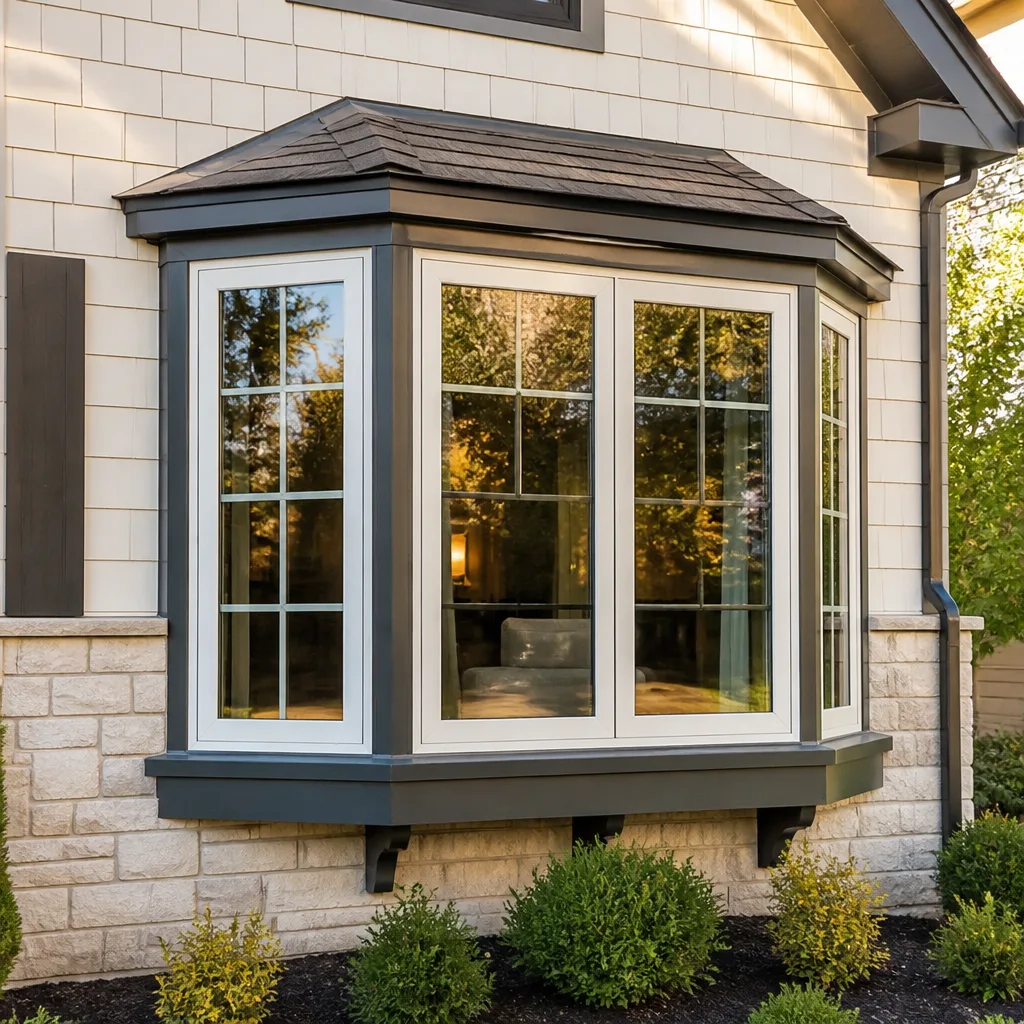 Bay & bow
 Entry doors
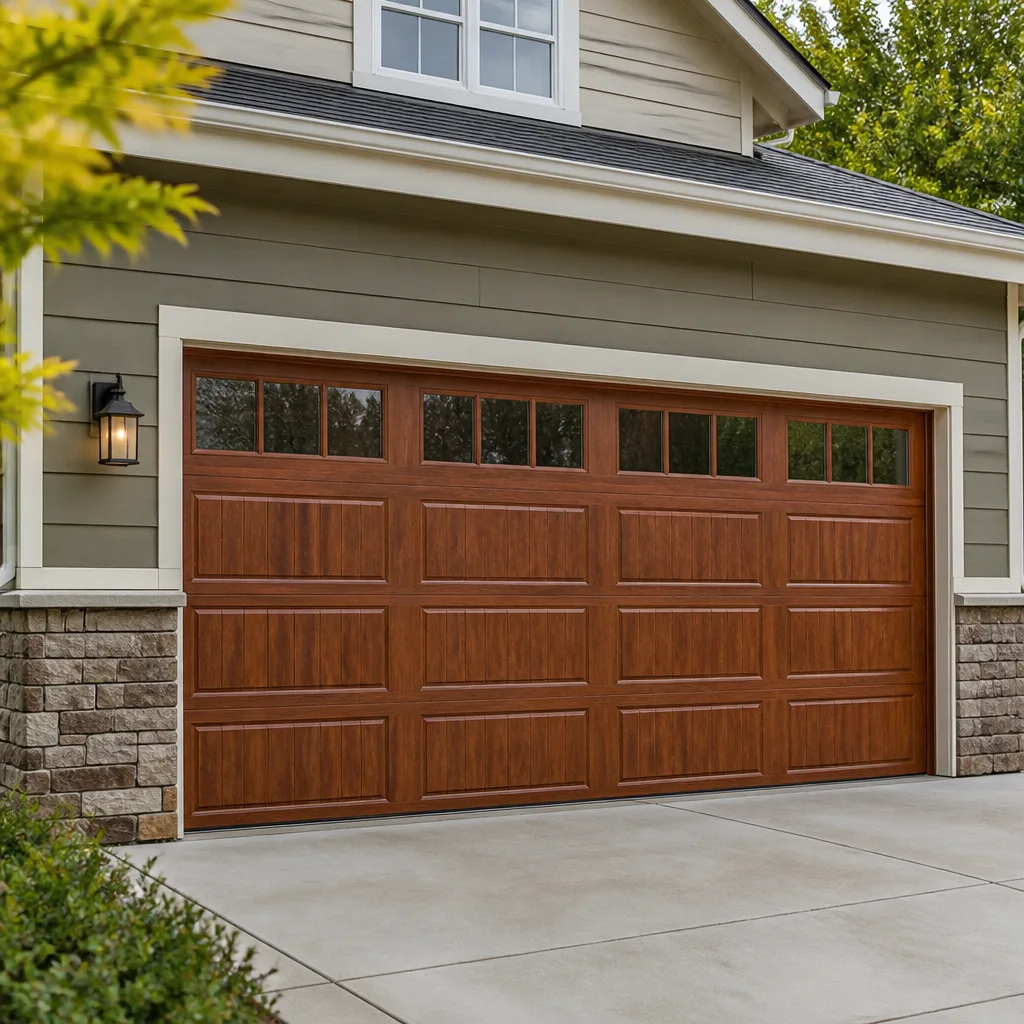 Impact garage doors
 PGT
PGT CGI
CGIFree in-home measure and quote - PGT, CGI and CWS impact lines compared on your actual openings, style by style
Get your free estimateDIY vs Professional Windows & Doors: The Tampa Homeowner’s Decision Guide
Here is a fact most Tampa homeowners do not hear until after the work is done: Florida permits you to act as your own contractor on your primary residence, but impact-rated window and door products carry installation protocols certified through Miami-Dade NOA that a homeowner pulling an owner-builder permit cannot legally self-certify. You can install the window correctly, pass a visual inspection, and still hold an opening that your insurer will not cover and a product warranty that is already void. This guide walks through where the legal line sits for a Tampa home, which three window tasks are genuinely safe to do yourself, what a professional installation includes that a DIY cannot replicate, and where the true cost actually lands once permits, re-work, and insurance gaps enter the math.
Quick Answer
For most window and door replacements in Tampa, hiring a licensed professional is the safer financial and legal choice, because Florida’s owner-builder affidavit does not transfer manufacturer installation certifications for impact-rated products, and insurance carriers in coastal counties routinely deny claims for unpermitted or self-installed openings. The three genuinely DIY-appropriate tasks are interior trim replacement, weatherstripping swaps, and screen re-screening. A licensed contractor costs more up front but carries the permit, the NOA-certified installation protocol, the liability coverage, and the warranty paperwork.
Styles & brands we work with
Table of Contents
- The Florida Permit Line: What Owner-Builder Actually Allows in Tampa
- Why Impact Window Warranties Void Under Owner-Builder Installs
- The Three Genuine DIY Window Tasks in Tampa
- What a Professional Installation Includes That a DIY Cannot Replicate
- The True Cost of DIY vs Professional: Where the Math Actually Lands
- The Skilled Homeowner Scenarios Where You Should Still Hire Out
- Common Mistakes to Avoid
- Frequently Asked Questions
The Florida Permit Line: What Owner-Builder Actually Allows in Tampa
Florida Statutes Chapter 489.103 includes an owner-builder exemption that lets a homeowner act as their own contractor on their primary residence without holding a contractor’s license. You sign an affidavit, you pull your own permit, you do the work, and you accept the liability that a licensed contractor would otherwise carry. That part is real and it has been Florida law for decades. But what the exemption does not do is transfer manufacturer installation certifications. When a window is rated for impact, the rating is not just about the glass. It is about the entire opening system: the frame, the anchoring pattern, the fastener spacing, the rough-opening preparation, and the installation method that the manufacturer submitted when the product earned its Miami-Dade Notice of Acceptance number. That installation protocol must be executed by someone trained and certified for that specific product line to keep the NOA valid. A homeowner who pulls an owner-builder permit is the contractor of record, and the NOA certification does not follow the affidavit.
The City of Tampa and Hillsborough County both require permits for window and exterior door replacement. The permit is about code compliance, wind-load ratings, and the Florida Building Code’s High Velocity Hurricane Zone provisions where they apply. A homeowner in South Tampa, a homeowner in Seminole Heights, and a homeowner in New Tampa all face the same legal reality: the permit can be pulled by the homeowner, but the product certification that makes the permit worth anything stays with the licensed installer. We have walked through this with Tampa homeowners who spent a full weekend installing their own impact windows, passed the county inspection, and then hit a brick wall when their insurance company asked for the NOA installation certification and the signed contractor affidavit. The window worked. The paperwork did not.
What the Owner-Builder Affidavit Commits You To
Signing the owner-builder affidavit is not a formality. It makes you legally responsible for the work as the contractor of record. That means:
- You are responsible for ensuring the installation meets Florida Building Code and any local Tampa amendments in force at permit issuance.
- You are responsible for job-site safety, including any injury that occurs on your property during the work.
- You cannot delegate the role. You can hire unlicensed day labor to help you physically, but you remain the legal contractor, and you cannot hire a licensed contractor under your owner-builder permit.
- You are responsible for scheduling and passing inspections. If the inspector flags the rough opening, you fix it and you pay for the re-inspection.
- You carry the liability for the finished opening. If the window leaks five years later and causes structural damage, the claim path is yours alone.
That last point is the one most Tampa homeowners miss. We hear about it most often in flood zone overlay parcels, which cover significant portions of South Tampa, the Interbay peninsula, and neighborhoods along the Hillsborough River. A self-installed window in a flood zone that leaks or fails under wind pressure is a liability that a licensed contractor’s insurance would cover. Under owner-builder, it is a homeowner’s claim that may be denied precisely because the installer of record was not certified for the product.
Why Impact Window Warranties Void Under Owner-Builder Installs
Every major impact window manufacturer in Florida writes installation-certification language into the warranty. The product warranty covers defects in materials and manufacturing. The installation component of the warranty covers the performance of the opening if installed per the NOA. Pull the owner-builder permit, and the installation is by definition outside the certified-installer network. The manufacturer does not need to prove the installation was bad. The mere fact that the installer was not product-certified is enough for the warranty claim to be denied. This is not a scare tactic. It is standard language in the warranty booklets from PGT, CWS, ES Windows, ECO Window Systems, Mr-Glass, and every other impact-rated brand sold in the Tampa market.
What that means in practice is this: you buy a window from a supplier in Tampa, you install it yourself under owner-builder, the window fails six months later because the anchoring was one fastener off-spec, and the manufacturer’s response is that the NOA installation protocol was not followed, therefore the performance warranty does not apply. You then pay for a second window and a second install, and the second install now requires a licensed contractor because you cannot claim owner-builder exemption twice on the same property within the same year under Florida law. The owner-builder exemption is limited to one permit per 12 months on the same parcel. If you do the job wrong and need to redo it, you literally cannot legally pull the permit again yourself. A licensed contractor who has been doing window replacement in Tampa carries the training and the documentation that keeps the warranty intact.
We also see warranty issues on the frame side. Impact-rated frames from ES Windows and other aluminum manufacturers are engineered to specific torque values for the anchoring screws. Over-torque the screw and you compromise the frame channel. Under-torque it and you lose wind-load capacity. Neither failure is visible from the inside of the home. Both can be caught with a torque wrench and the product-specific installation chart, which is part of the NOA documentation a certified installer keeps on file. A homeowner working from a YouTube walkthrough that skips the torque spec is not going to know they just voided the frame warranty until the window racks during a tropical storm.
The Three Genuine DIY Window Tasks in Tampa
None of this means a Tampa homeowner should never touch their own windows. Three tasks are genuinely appropriate for DIY work, and they are the same three we recommend when a customer asks what they can handle themselves to save money.
- Interior trim replacement: The casing and molding around the interior face of the window is cosmetic. It does not affect the performance of the opening, the wind-load rating, or the warranty, provided you do not disturb the window frame or the rough opening. Tampa homes in neighborhoods like Riverside Heights and Old Seminole Heights often have original wood trim that has cracked from decades of humidity cycling. Replacing that trim is finish carpentry, and a careful homeowner can do it well.
- Weatherstripping swaps: The vinyl or foam weatherstripping in operable window sashes and door sweeps wears out every few years in Tampa’s humidity. Swapping in new weatherstripping is straightforward, requires no permit, and will not affect the glazing or the frame. Buy the profile that matches your window brand. Using a generic profile that compresses the wrong way can make the window harder to operate, which is the same issue we see when someone has used the wrong weatherstripping on a CWS horizontal roller.
- Screen re-screening: Screen frames corrode fast in salt air, especially west of Dale Mabry and on Davis Islands. Re-screening is the most DIY-friendly window task there is: pull the spline, cut new screen, roll in a new spline, trim. The only thing to watch is screen tension on larger openings, because a loose screen on a six-foot-wide window will sag visibly within a month.
Even these three tasks carry a boundary: do not remove the window frame from the rough opening, do not touch the flashing, and do not disturb the exterior caulking or sealant at the perimeter of the frame. The sealant line is part of the water-intrusion system, and breaking it means the opening is no longer sealed to the NOA protocol. That crosses from maintenance into installation, and at that point the permit and certification questions above apply.
What a Professional Installation Includes That a DIY Cannot Replicate
A professional window installation in Tampa is not just the physical labor of setting a window in a hole. It is a documented process, and the documentation is the part that protects the homeowner for the life of the window. When we install an impact-rated unit from Mr-Glass or ECO Window Systems, the job file includes the product’s NOA number, the installation instruction sheet for that specific product, a torque log for the anchoring hardware, photos of the rough opening before and after preparation, the permit number, and the inspection results. If a claim ever occurs, a homeowner opens that file and every link in the chain is there. A DIY install has none of it.
The rough-opening preparation is the step most often skipped. In Tampa, wall cavities in homes built before the 2002 Florida Building Code took effect often have undersized headers, non-pressure-treated sill plates, and rotted framing hidden behind the old window flange. The NOA for the product specifies what the rough opening must look like before the window goes in: header size, king stud and trimmer dimensions, sill slope, flashing sequence. A certified installer rebuilds the rough opening to meet the NOA before the window is ever set. A homeowner who does not open the wall past the trim line never sees the rotted sill, sets the new window over it, and seals in a failure that will take three years to surface as a soft spot in the drywall below the window.
Liability during the work is another gap. A licensed contractor in Florida carries workers’ compensation and general liability coverage. If a technician is injured on the job site, that claim goes through the contractor’s coverage. If a homeowner acting as owner-builder is injured, the claim is against their own homeowner’s policy, which may not cover injuries to the policyholder engaged in construction activity. If a friend helping with the install is injured, the homeowner is personally liable. Installing a sliding glass door means moving a 150-plus-pound glass panel. Installing a second-floor window means working on a ladder or from a bracket hoist. The liability exposure is real and it is all on the homeowner under owner-builder.
We are a licensed window installation company in Tampa that carries the paperwork and the coverage, and the difference it makes on the back end of the job is substantial. The homeowner gets a written line-item price before any work begins, a permit filed under a licensed contractor, an inspection that has already been scheduled, and a warranty file that will still be there in five years. Every Lightwell Windows Tampa job is covered by the 365-Day Done Right Promise, which means if the finished work is not right, we make it right with no debate and no countdown. That promise is stamped on the job file and it follows the home.
The True Cost of DIY vs Professional: Where the Math Actually Lands
The DIY pitch is always the same: a window costs $500 at retail, so you are saving the difference between $500 and the $2,500 a contractor quotes. But the real comparison in Tampa has more lines than that, and most of them are invisible until after the permit is pulled.
Here is how the two paths break down on a typical three-opening replacement, using mid-range prices for the Tampa market. A single impact-rated window at retail in Tampa runs roughly $650 to $1,100 depending on size and brand. A professional installed price on the same opening, including permit, installation, and the contractor’s overhead and liability, runs roughly $1,400 to $2,300 per opening. The line items below show where the spread actually goes:
- Product at retail (DIY): $650 to $1,100 per opening, unless the homeowner can buy at contractor pricing, which most cannot without a contractor license on file at the supply house.
- Permit and inspection (DIY): Tampa and Hillsborough County permit fees on a three-opening window replacement typically run between $150 and $400 total. The homeowner pays this either way.
- Installation materials (DIY): Flashing, sealant, shims, fasteners, and the proper torque wrench rental run $60 to $120 per opening for a homeowner buying at retail.
- Re-work if inspection fails (DIY): If the inspector flags the rough opening or the anchoring, the homeowner opens the wall back up, buys more materials, and pays a re-inspection fee. This line is hard to budget because it depends entirely on what the condition of the wall is, and in pre-2002 Tampa homes it is not uncommon.
- Insurance gap (DIY): This is the line nobody prices. If the insurance carrier will not cover an owner-builder-installed impact opening, the homeowner either loses the wind-mitigation discount that motivated the project or, in the worst case, loses coverage on that opening entirely. The premium increase alone can exceed the labor savings over the life of the policy.
- Professional installed price: $1,400 to $2,300 per opening, which includes product, permit, installation, liability coverage, the NOA documentation, and the workmanship warranty.
The spread between the two paths shrinks a lot once the permit, materials, and insurance exposure are counted. The real savings on a three-window job is often less than $1,500, and the homeowner carries the legal and insurance risk to capture it. On a sliding door replacement, where a door rough opening wider than 6 feet requires structural headers and significant flashing work, the DIY path is a false economy almost without exception.
For a more detailed look at what affects the installed price of a window project, our guide on window replacement in Tampa breaks down line-item pricing by product line and opening type.
The Skilled Homeowner Scenarios Where You Should Still Hire Out
Some Tampa homeowners are genuinely capable of doing window work well. We respect that. But there are three specific scenarios where even a skilled, careful homeowner should call a professional, and the reasons are about risk transfer, not skill.
Any opening in a load-bearing wall. Exterior walls in Florida residential construction are almost always load-bearing. Section drawings in the Florida Building Code assume exterior wall framing carries the roof or the upper story. When a window is removed and the rough opening is altered to accommodate a larger unit, the header above the opening has to carry the load across the wider span. A homeowner working from general carpentry experience can calculate a static load, but the Florida wind-load requirements for a high-velocity hurricane zone change the math. The header specification in the NOA is not a suggestion. If the header is undersized and a wind event racks the opening, the failure is structural, not cosmetic, and the insurance coverage hinges on whether the installation followed the documented NOA. This is the scenario where the insurance gap is most severe, and the reason we tell homeowners in neighborhoods with older framing, like Seminole Heights and Tampa Heights, to hire out any opening that changes the width of the rough opening.
Any door rough opening wider than 6 feet. Florida code requires engineered headers and specific anchoring for door openings over 6 feet, which covers most sliding glass doors, French door pairs, and any multi-panel door system. The glass panel alone weighs enough to require two-person handling. The threshold flashing detail on a sliding door is the most common failure point we see in Tampa homes, because the floor structure at the doorway is frequently not level and not flat, and the pan flashing system has to accommodate that. A homeowner can do the work and pass the inspection and still have a threshold leak inside six months if the flashing sequence was wrong. A licensed installer has seen the failure mode and knows what sequence to follow.
Any window within a flood zone overlay parcel. Tampa flood zone overlay parcels, which include much of the Interbay peninsula, parts of Westshore, the neighborhoods along the Hillsborough River, and the low-lying sections of Davis Islands, carry additional elevation and flood-protection requirements. A window in one of these parcels may need to meet additional flood-grade specifications beyond the standard wind-load rating. The permit review catches this, but a homeowner acting as owner-builder and discovering the additional requirement after the window is ordered has either overpaid for a product that is not compliant or must reorder a different product and pay restocking. A professional contractor working in Tampa flood zones has the product list already filtered by flood-compliance, which shortens the whole path.
In all three of these scenarios, the money question is not whether the homeowner could physically do the work. It is whether the homeowner wants to carry the liability if something goes wrong, and whether the insurance carrier will pay the claim if it does. A certified installer carries both. Lightwell Windows Tampa offers free estimates throughout the Tampa area, including door installation in Tampa, so a homeowner considering one of these scenarios can get a written line-item price and compare it against the DIY risk before committing.
Common Mistakes to Avoid
- Pulling the owner-builder permit before confirming the product’s NOA installer requirements. Once you sign the affidavit, you are the contractor of record and the certification question is already answered against you. Check the product documentation first.
- Buying the window before opening the wall. Many Tampa homes built before 2002 have rough openings that do not match the size of the window the homeowner just bought. Measure the actual opening, including the framing, before ordering anything.
- Using generic sealant instead of the product-specific sealant named in the NOA. Sealant compatibility is part of the certified installation protocol. A different sealant can void the warranty and fail earlier than the specified bead.
- Ignoring the torque spec on the anchoring screws. Impact frames have a torque range. Over-torquing damages the frame channel and under-torquing loses wind-load capacity. No visual inspection catches either one.
- Treating the permit inspection as the final quality check. The inspection verifies code compliance at a point in time. It does not verify the torque log, the flashing sequence, or the sealant compatibility, all of which are warranty items.
- Doing the work and skipping the permit entirely. Unpermitted window replacements in Tampa get flagged on resale, can generate a code-enforcement notice if a neighbor reports the work, and will not be covered by insurance if the opening fails. The permit is not optional.
- Assuming the insurance carrier will cover an owner-builder install because the inspection passed. A passed inspection and an insurer’s underwriting requirements are two different things. Confirm coverage before you pull the permit, not after.
Frequently Asked Questions
Yes, Florida’s owner-builder exemption allows a homeowner to act as their own contractor on their primary residence, including pulling a permit for window replacement. But the exemption does not transfer the manufacturer’s installation certification for impact-rated products, and the warranty and insurance coverage implications remain with the homeowner as the contractor of record.
On paper, yes, because you are not paying for labor and contractor overhead. In practice, the savings on a typical three-opening job shrink once you count the permit fees, installation materials, the re-inspection cost if anything fails, and the potential insurance premium increase or claim denial if the carrier will not accept an owner-builder install. The true savings are often under $1,500.
You fix the issue and pay a re-inspection fee. If the issue is in the rough opening, the wall comes back open and the work starts over. Under Florida law the owner-builder exemption is limited to one permit on the same parcel within 12 months, so you cannot pull a second permit yourself to redo the work.
The window itself does not require a certified installer in the sense of forbidding a homeowner from purchasing it. But the product’s Miami-Dade NOA specifies an installation protocol, and the warranty and the wind-mitigation insurance credit both depend on the installation being performed by someone certified for that product. A homeowner acting under owner-builder cannot self-certify.
Interior trim replacement, weatherstripping swaps, and screen re-screening are the three tasks that do not disturb the window frame, the rough opening, or the exterior seal, so they do not trigger the permit, warranty, or insurance questions. Anything that involves removing the frame from the wall or breaking the exterior sealant line is installation work and should be hired out.
In our market, a professional installed price on an impact-rated window typically runs $1,400 to $2,300 per opening, depending on the product, the size of the opening, and the condition of the existing framing. This includes the product, the permit, the installation, the NOA documentation, and the workmanship warranty. The retail product alone runs $650 to $1,100. For a homeowners looking at a whole-home project, our window replacement guide for Tampa breaks down pricing by opening type and product line. Call us at (850) 360-6785 for a free written estimate on your exact openings.
When to Call a Professional
Call a professional when the opening is in a load-bearing wall, when the door rough opening is wider than 6 feet, when the parcel is in a flood zone overlay, or when you want the warranty and the insurance credit to hold. Call a professional when the existing frame shows signs of rot or water intrusion, because the rough opening will need to be rebuilt before the new product goes in. Call a professional when you want a written price before any work starts and a promise that covers the finished work for a full year. Lightwell Windows Tampa offers free estimates throughout Tampa. Call us at (850) 360-6785 to schedule yours and get a written line-item price in hand before you commit to anything.
The Bottom Line
Tampa’s DIY window question is not really about whether a homeowner can physically install a window. It is about whether the finished opening will hold its warranty, its wind-mitigation insurance credit, and its resale value. Florida’s owner-builder exemption allows the work, but it does not transfer the product-specific installation certification that impact-rated windows and doors require to keep their performance warranty and their NOA standing. The three tasks that are genuinely safe to DIY are trim replacement, weatherstripping, and screen work. Everything that touches the frame, the rough opening, or the exterior seal belongs with a licensed installer. The savings from DIY are often less than they appear once permits, re-inspection risk, and insurance exposure are priced in, and in the scenarios that matter most, the professional path is the cheaper one over the life of the home.
Written by Keith Yamada, Owner at Lightwell Windows Tampa, serving Tampa since 2010.
See the difference
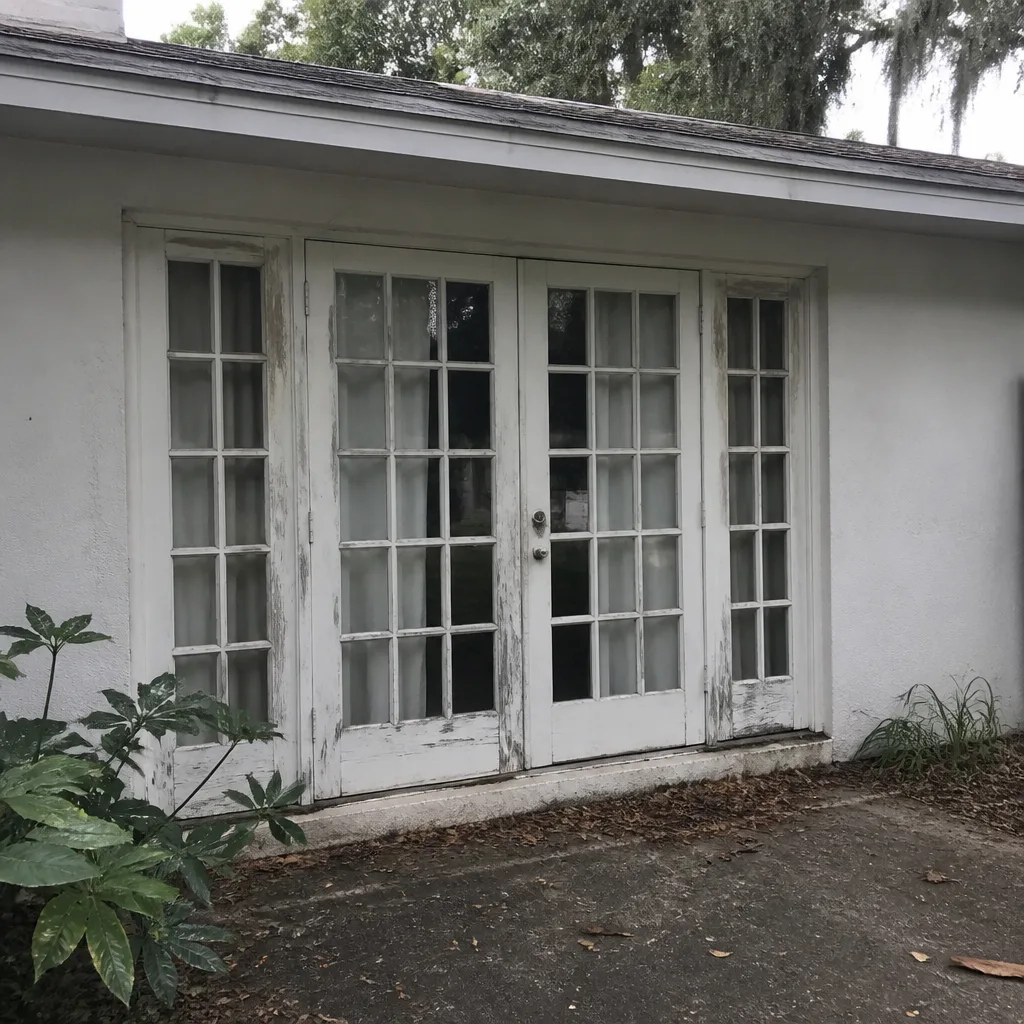 Before
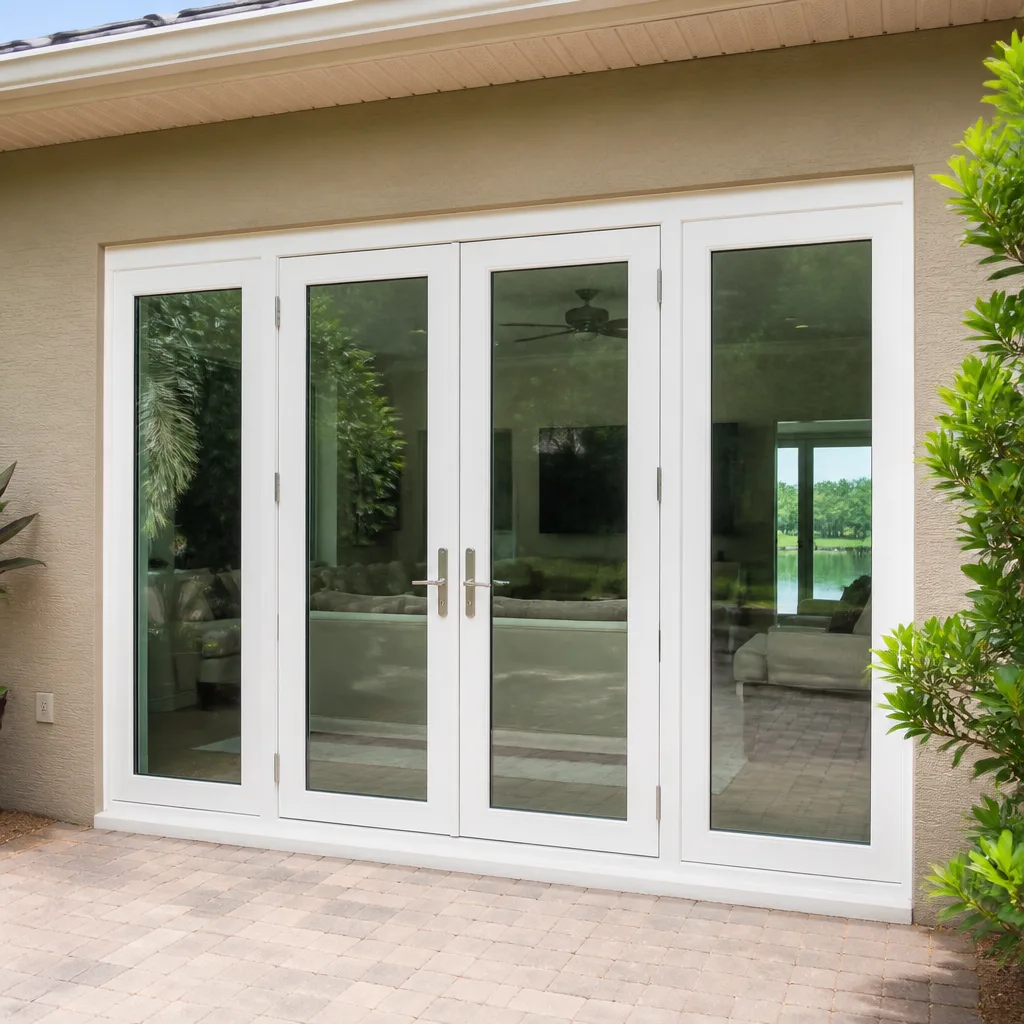 After
After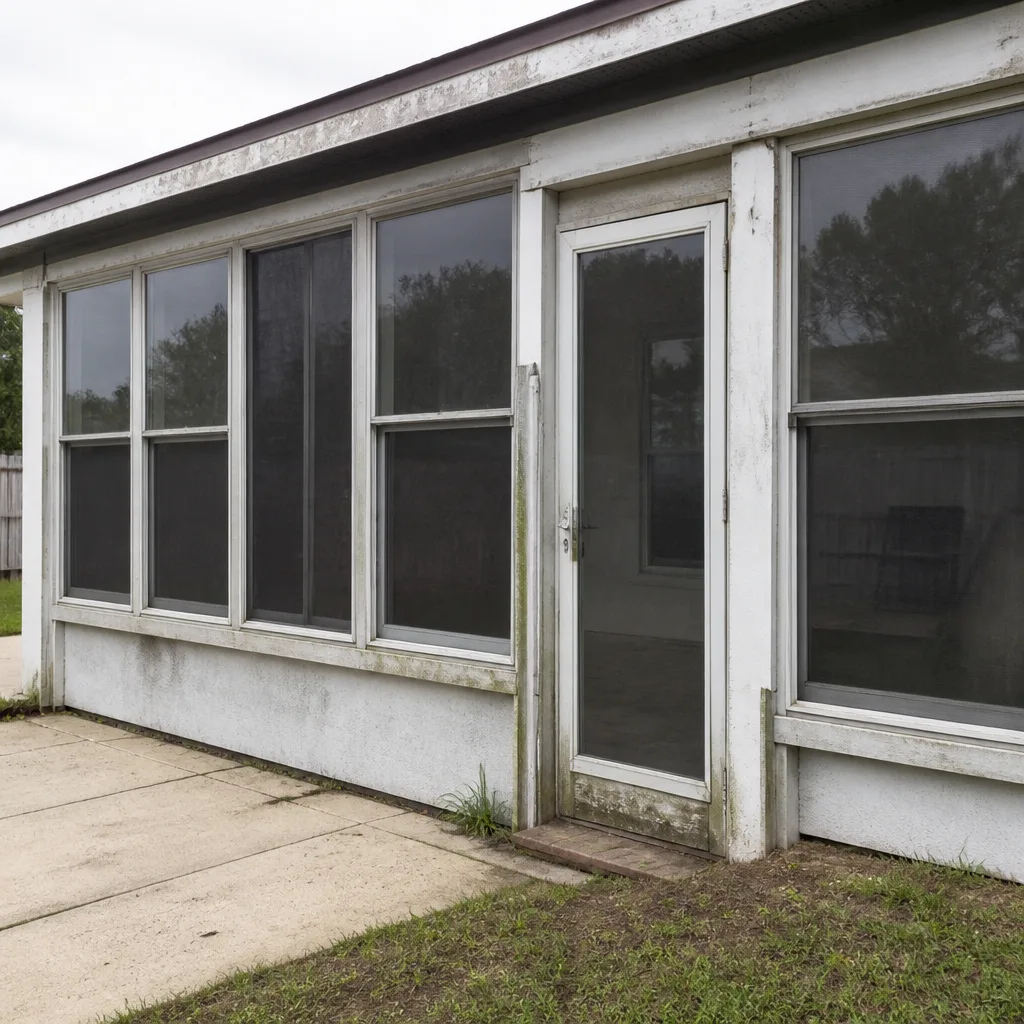 Before
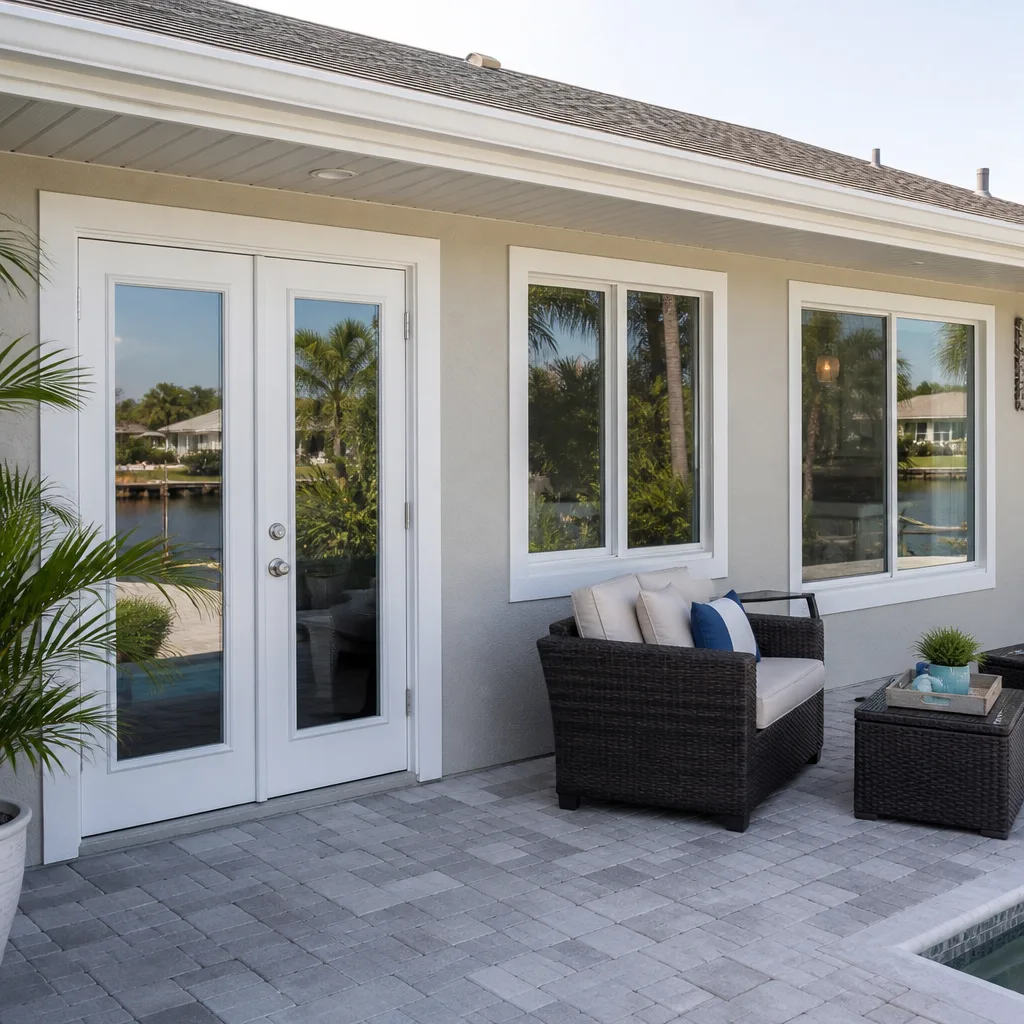 After
After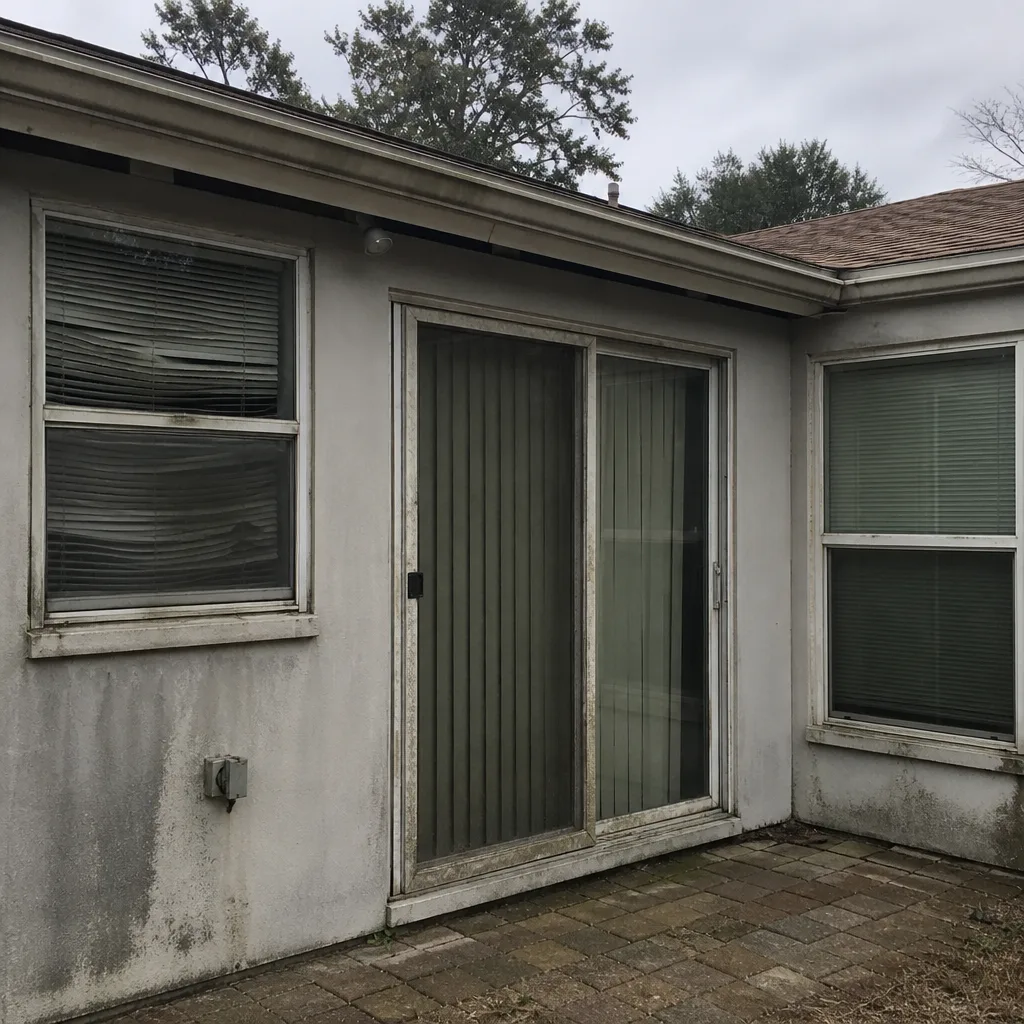 Before
 After
AfterSix Reasons Homeowners Choose Lightwell Windows Tampa
Impact systems engineered to design pressures up to +/-100, matched to your wind zone - your openings hold when the storm arrives.
Low-E insulated impact glass from our manufacturer lines commonly cuts monthly cooling bills 20-30%.
Laminated impact glass shuts out up to 40% of outside noise - traffic, neighbors, weather.
Monitoring services run $30-90 a month. Laminated impact glass resists forced entry around the clock, with no subscription.
Florida homeowners average around 25% savings on the windstorm portion of their policy after protecting every opening - some homes qualify for more.
A full impact package upgrades curb appeal, buyer confidence and appraised value in one project.