
Last updated October 17, 2026
 Sliding glass doors
 Single hung
 Horizontal roller
 Casement
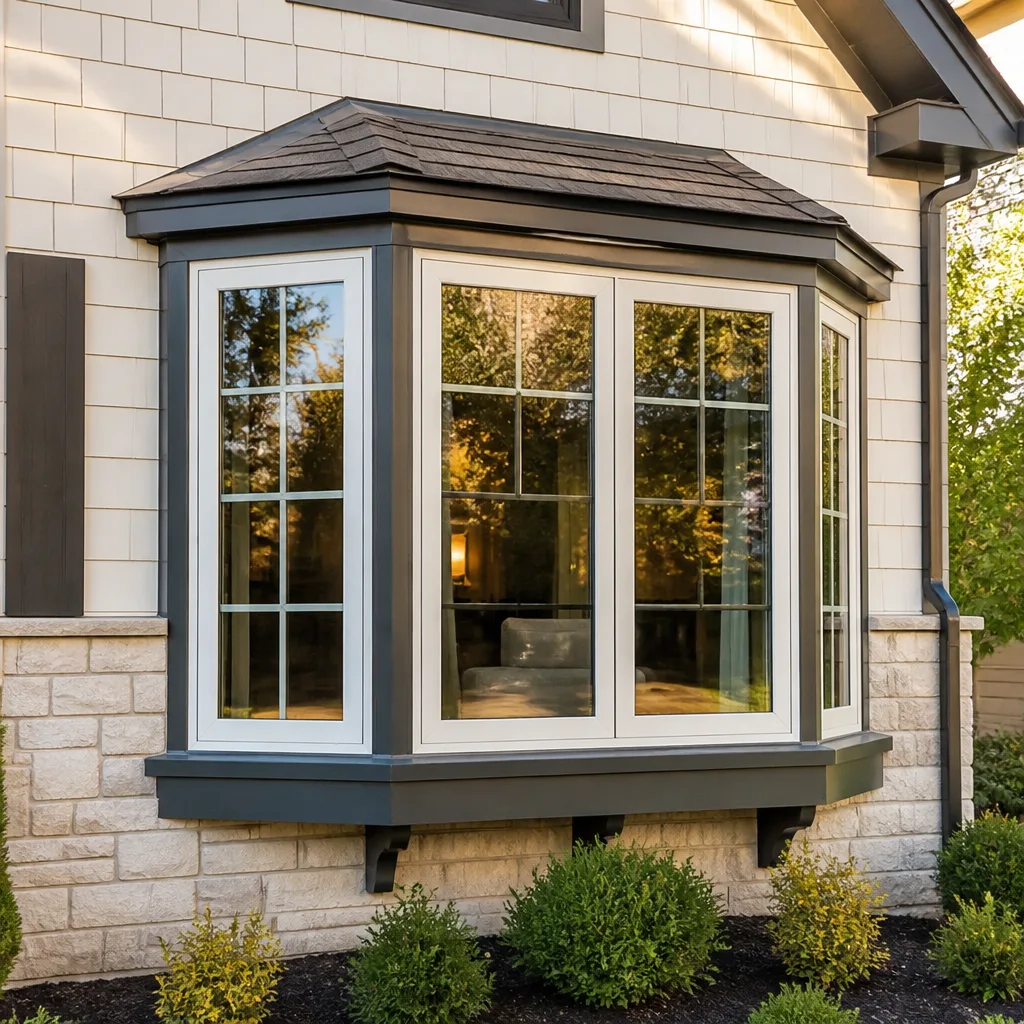 Bay & bow
 Entry doors
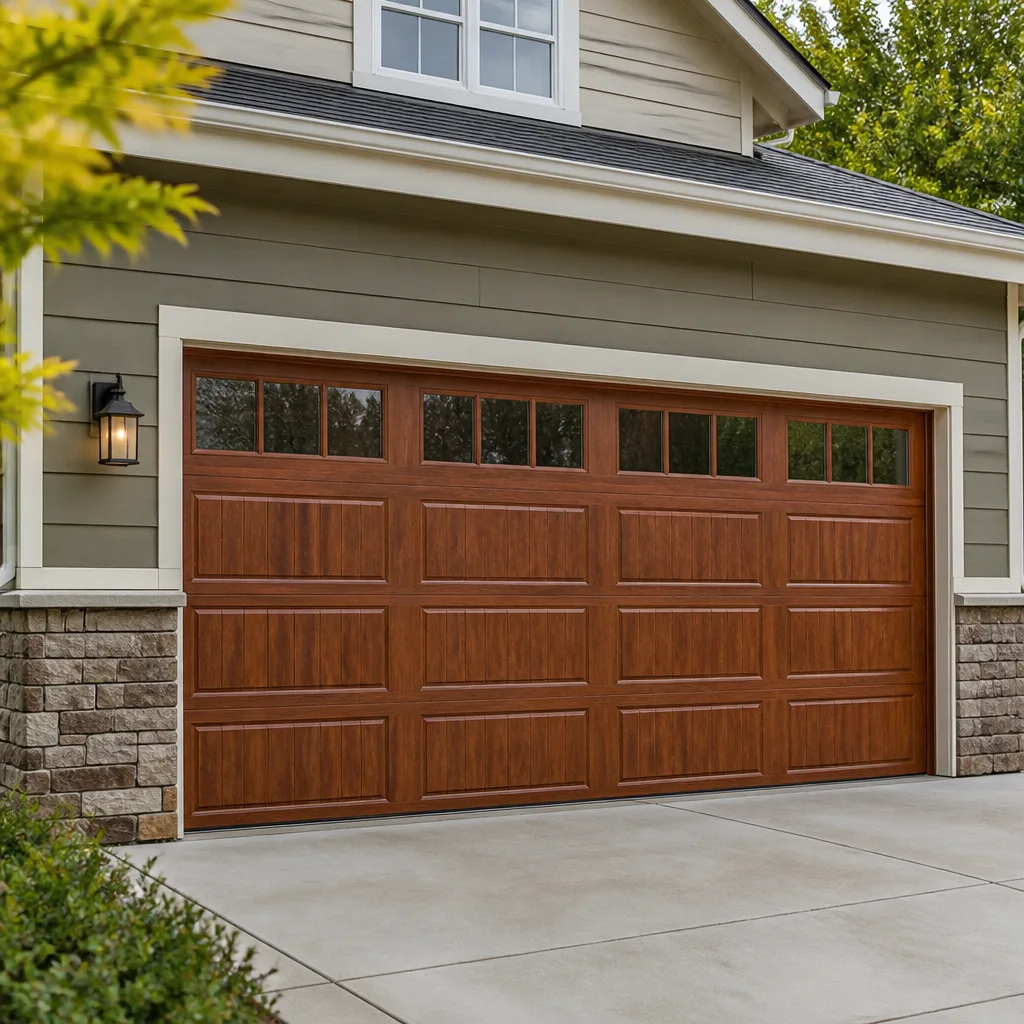 Impact garage doors
 PGT
PGT CGI
CGIFree in-home measure and quote - PGT, CGI and CWS impact lines compared on your actual openings, style by style
Get your free estimateWindows & Doors Warning Signs: A Tampa Homeowner’s Reference Guide
A window that fogs between the panes in Tampa isn’t just a cosmetic problem. It means the insulating gas has failed, your U-factor has climbed, and your AC is compensating with roughly 15 – 20% more runtime starting that same month. Our Complete Guide to Windows & Doors in Tampa teaches you to read the specific signals a Tampa house sends before water, insects, or structural damage follows. We’ll walk through the five failure patterns we see most often in Tampa homes, how to tell cosmetic weathering from structural seal failure, and when a problem can wait versus when it needs attention this week.
Quick Answer
The earliest warning signs of window and door failure in Tampa are condensation or haze inside double-pane glass, doors that drift open or closed on their own, discoloration at frame corners, white mineral deposits on block walls below windows, and a salt haze on glass that won’t wipe clean. Most of these can be checked in under ten minutes with a flashlight and a dollar bill. If you spot any two of them in the same room, schedule a professional inspection-our step-by-step guide to hiring a windows & doors contractor in Tampa can help-before Tampa’s humidity turns a seal problem into a mold problem.
Styles & brands we work with
Table of Contents
- The Five Tampa-Specific Failure Signals
- Cosmetic Weathering vs. Structural Seal Failure: The Dollar-Bill and Flashlight Test
- Failing Window Seals and Mold Risk in Tampa’s Humidity Band
- Hurricane-Season Stress: Why Doors Fail After October
- Triage Tiers: Monitor It, Schedule Service, or Call Now
- Common Mistakes to Avoid
- When to Call a Professional
- Frequently Asked Questions
The Five Tampa-Specific Failure Signals
Homes in Tampa show window and door failure differently than homes in cooler climates. Up north, the first sign is usually a cold draft. Here, the pressure differential works in reverse: warm, humid outside air pushes against your cooled interior, and the failures show up as moisture, mineral deposits, and energy bills that climb in June before you’ve touched the thermostat. After years of inspecting windows and doors across Tampa, we’ve learned to look for five signals that precede visible damage.
1. Condensation Inside the IGU
An IGU, or insulated glass unit, is the sealed assembly of two or three panes with insulating gas between them. When that seal fails, humid Florida air migrates between the panes and condenses on the interior glass surface you can’t reach with a cloth. You’ll see it first as fog in the morning that clears by afternoon, then as permanent haze. By the time you see permanent haze, the argon or krypton fill is largely gone and the window’s insulation value has dropped to roughly that of a single pane. In Tampa’s climate, this is the single most common failure we see in windows that are 12 – 20 years old.
2. Doors That Drift Open or Closed on Their Own
A door that slowly swings open or shut without help is telling you something about the frame, the hinges, or the floor beneath it. In Tampa, where slab foundations on sandy soil are the norm, door drift often signals subtle slab settlement or frame racking that has thrown the door out of plumb. It can also mean the hinge screws have stripped under years of humidity-driven wood expansion and contraction. Left unaddressed, a drifting door wears the lock hardware, gaps the weatherstripping, and eventually starts letting conditioned air out and humid air in.
3. Frame Discoloration at the Corners
Late-stage water intrusion shows up as staining at the bottom corners of window and door frames. On white vinyl or painted wood frames, it looks like tea-colored or gray shadowing that won’t scrub away. On aluminum frames, it looks like chalky white oxidation. What’s happening is water is entering the frame channel faster than the weep holes can drain it. In Tampa’s afternoon thunderstorms, frames that can’t drain become standing water channels, and the corners are where the water sits longest. This signal usually means the sealant joint at the top or side of the frame has already failed.
4. Sill Efflorescence on CBS Block
Efflorescence is the white, powdery mineral deposit that appears on concrete block or stucco below a window. It develops when water moves through the wall assembly and evaporates on the surface, leaving dissolved salts behind. In Tampa’s CBS (concrete block and stucco) homes, efflorescence below a window sill is a reliable indicator that water is getting behind the window flange or through a failed sill pan. The deposit itself is cosmetic, but the water path that created it is not. Persistent efflorescence near window or door openings on block walls is worth a professional look, because the same water path can reach the framing lumber and the interior drywall given enough time.
5. Salt Haze on Glazing That Won’t Wipe Clean
Homes within a few miles of Tampa Bay or the Gulf sometimes develop a fine haze on the exterior glass that resists ordinary glass cleaner. This is salt deposition combined with micro-pitting of the glass surface, and it’s most common on west-facing windows that take afternoon sun and salt-laden wind. By itself, it’s a cleaning and glass-quality issue. But if the same windows show any of the other four signals, the salt haze is compounding the problem by accelerating seal degradation at the glass edge. We recommend checking west-facing windows twice a year if you’re in a coastal Tampa neighborhood like Beach Park, Davis Islands, or anywhere along Bayshore.
Understanding these five signals is the first step. The next is learning to separate a cosmetic issue from structural failure, because the two look similar to an untrained eye. Visit our Lightwell Windows Tampa home page to learn more about how we approach inspections.
Cosmetic Weathering vs. Structural Seal Failure: The Dollar-Bill and Flashlight Test
Not every mark on a window or door frame is a problem. Florida sun, salt air, and afternoon rain all leave fingerprints on exterior surfaces. The skill is in knowing which fingerprints mean “keep an eye on it” and which mean “this needs a professional.” We teach homeowners two simple tests that take less than ten minutes and require no special tools.
The Dollar-Bill Test for Weatherstripping Compression
- Close the window or door fully and lock it, the way you would on a hot July afternoon. Do not force it; just close it normally.
- Take a crisp one-dollar bill and place it between the sash or door slab and the frame, at the midpoint of the longest edge.
- Close the window or door on the bill and try to pull the bill out.
- If the bill slides out with no resistance, the weatherstripping has lost compression and the seal is no longer effective. If the bill tears or requires a firm tug, the seal at that point is still doing its job.
- Repeat at the top, midpoint, and bottom of each operable sash and door. Note any location where the bill slips freely.
Two or three failed test points around a single window or door mean the opening is leaking conditioned air at a measurable rate. In Tampa’s climate, where the AC runs for most of the year, this is a steady drain on your electric bill. A failed test at the threshold of an exterior door is especially important, because door thresholds in Tampa homes also act as the last line of defense against wind-driven rain.
The Flashlight Test for Frame and Glass Integrity
- Choose an evening after dark and turn off the room lights. Hold a bright flashlight about six inches from the glass, aimed at the window or door at a low angle.
- Look at the glass surface for a uniform reflection. A healthy IGU reflects like a smooth mirror. A failed IGU shows subtle ripples or a slightly distorted reflection, especially near the edges.
- Sweep the flashlight beam slowly around the frame’s interior perimeter. Watch for light leaking through at corners, especially the bottom corners where water collects before it drains.
- Now go outside and aim the flashlight at the same frame corners from the exterior, while someone inside watches from a darkened room. Any pinhole of light through the frame-to-wall joint is a direct path for water and air.
The rule we use in the field: cosmetic weathering is on the surface; structural seal failure is through the surface. A scratch, a cloudy spot you can wipe clean, or paint fading is cosmetic. Light through the frame, a dollar bill that slips, or glass that ripples when you look at it on edge is structural. Cosmetic issues can wait for a scheduled estimate. Structural issues should not. For replacement options that fit your home, see our Window Replacement in Tampa page.
Failing Window Seals and Mold Risk in Tampa’s Humidity Band
Tampa’s annual average relative humidity runs between 70 and 80 percent for most of the year. That’s the ambient moisture load every window and door in your home is pushing back against, every single day. When a window or door seal fails, the pressure differential changes, and humid outside air begins to move through the assembly. Water vapor follows the path of least resistance, and in a leaking frame assembly, that path leads straight to the interstitial cavities where framing lumber and insulation live.
Where Mold Colonizes First
Mold needs three things to grow: moisture, a food source, and darkness. A leaking window or door frame provides all three. In our experience with Tampa homes, mold from frame leaks shows up in a predictable order:
- The rough opening’s lower corners. Water that enters through a failed sealant joint runs down the frame channels and collects at the bottom corners of the rough opening. This is the first place we find mold on the framing lumber.
- The back of the drywall returns. The interior drywall that wraps the window opening wicks moisture from the frame. Mold grows on the paper face of the drywall, often hidden behind the trim and invisible from the room.
- The sill plate and subfloor. On doors, especially sliding glass doors and French doors, water that gets past the threshold pan follows the fasteners down to the sill plate. From there it can travel under flooring.
- The window sill’s interior edge. The last visible sign. By the time you see black staining on the painted sill, the mold growth inside the wall cavity is typically well established.
The practical takeaway: in Tampa, a window leak is a mold event waiting to happen, and it usually takes months or years to become visible from inside the living space. That’s why the non-visible signals, like the flashlight test or efflorescence below the sill, matter more here than they do in drier climates. If you catch the seal failure early, you’re usually looking at a window replacement, not a mold remediation-though many homeowners wonder about DIY vs professional installation for this kind of work. If you wait for visible mold, the project scope changes significantly.
For homeowners considering full-frame replacement, which includes the removal of the old frame and inspection of the rough opening, see our Window Installation in Tampa page for details on how we handle the existing wall condition.
Hurricane-Season Stress: Why Doors Fail After October
A door that tested perfectly fine in April can show lock misalignment by October. This is not a coincidence; it’s thermal cycling plus wind loading. Hurricane season in Tampa runs June through November, and the months of July through September deliver the most intense combination of high temperatures, high humidity, and recurring storm-force winds. A door assembly expands and contracts with every temperature swing. Wood frames move the most; steel and fiberglass move less, but their hardware does not move at all.
What Thermal Cycling Does to Hardware
Every time a wood door frame cycles through a hot-humid afternoon and a cooler rain-soaked evening, the wood’s moisture content changes. That change is measured in fractions of an inch at the frame level, which is more than enough to shift a lock strike plate out of alignment. The sequence we see most often in Tampa goes like this:
- April – May: Door operates smoothly; deadbolt throws without resistance; weatherstripping seals evenly.
- June – September: Afternoon thunderstorms drive moisture into the frame’s exterior face; the wood swells slightly; repeated wind loads flex the door slab against the hinges and lock.
- Late September – October: The frame has now settled into a slightly different geometry than it had in the spring. The deadbolt requires a push or pull on the handle to align; the door rubs at the top corner or drags on the threshold.
- November – December: Cooler, drier air allows the frame to shrink slightly. The lock misalignment is now permanent because the strike plate screws have ground a new groove into the wood, or the hinges have loosened under repeated load.
The fix in most cases is not a new door. It’s a hinge adjustment, a strike-plate reposition, and sometimes a threshold raise. Brands like Therma-Tru and Mr-Glass manufacture doors with adjustable hinges and composite frames designed to reduce exactly this seasonal movement, and those features matter in a Tampa climate.
The larger point: if your door misbehaves only after hurricane season, the thermal cycling has changed the frame geometry, and that change will not correct itself. Watching a door gradually lose its alignment over the course of a season is normal. A door that suddenly changes over a single week is not, and that’s worth a call. See our Door Installation in Tampa page for more on replacement and alignment work.
Triage Tiers: Monitor It, Schedule Service, or Call Now
We group window and door warning signs into three tiers. This triage approach keeps you from overreacting to a cosmetic issue and from underreacting to a structural one. Use this as your reference card.
Tier 1: Monitor It
These signs are normal for a Florida climate and do not require immediate action. Note them, photograph them for a baseline, and check again in six months.
- Faint salt haze on west-facing glass in coastal neighborhoods, without any other symptoms
- Minor paint fading or chalking on aluminum or wood window frames with no soft spots
- A dollar bill that slides out at one single test point, while the rest of the perimeter holds firm
- Very light efflorescence below a window that appears only after heavy rain and washes away
- A door that rubs slightly at the top corner during the most humid weeks but operates smoothly the rest of the year
Photograph everything. A six-month comparison will tell you whether the condition is stable or progressive, and that is the single most useful piece of information you can bring to a professional estimate.
Tier 2: Schedule Service
These signs indicate a seal, weatherstripping, or hardware issue that will not get better on its own. They usually do not constitute an emergency, but they should be addressed before Tampa’s summer humidity or hurricane season makes them worse.
- Permanent haze inside a double-pane IGU that no longer clears during the day
- A dollar bill that slides out at two or more points around the same window or door
- Frame discoloration at bottom corners that does not wipe away
- Light visible through frame corners during the flashlight test
- A deadbolt that requires handle pressure to align, every time
- Efflorescence below a window that persists or increases month over month
These are the problems we most commonly see on established Tampa homes in neighborhoods like Carrollwood, Seminole Heights, and Palma Ceia, where the housing stock is 15 to 40 years old. A scheduled estimate is the right next step.
Tier 3: Stop Using and Call Now
These signs indicate active water intrusion, structural movement, or a safety risk. Do not ignore them, and do not wait for a convenient time on the calendar.
- Visible mold on the interior sill, trim, or drywall around any window or door
- Water pooling on the interior floor after rain, anywhere along an exterior wall
- A door that suddenly will not latch at all, or a deadbolt that will not throw
- A window that has dropped in its frame and will not close fully
- Soft, spongy wood at any point around a window or door frame when pressed with a fingertip
- A cracked glass pane in an impact-rated window or door
The last item deserves emphasis. In Tampa, impact-rated windows and doors are part of your wind-mitigation envelope. A crack in impact glass does not mean the window will fall out tomorrow, but it does mean the assembly’s structural rating is compromised and may not perform as designed in the next storm. That is a call-now situation.
Common Mistakes to Avoid
- Caulking over a failed seal instead of investigating the leak. Caulk is a temporary surface fix. If water is moving through the frame or behind the flange, a bead of caulk on the exterior face just moves the water path somewhere else. We’ve seen caulk repairs on Tampa homes that trapped water inside the wall cavity and accelerated the mold growth the homeowner was trying to prevent.
- Assuming a foggy window just needs to “dry out.” The haze is inside the sealed IGU. It will not dry out, because the desiccant inside the spacer has saturated and the seal is gone. The only fix is replacement of the IGU or the entire window.
- Ignoring door drift because the door still opens and closes. A drifting door is wearing its own hardware every time it moves. Each uncontrolled swing stresses the hinges and strike plate a little more. The repair is cheaper before the hinge screws strip and the door drops.
- Treating energy-bill spikes as purely an HVAC issue. If your AC is running more but the thermostat setting hasn’t changed, your house may be leaking conditioned air through window and door seals. In Tampa, this often shows up as a May or June bill spike that arrives before the hottest months of summer.
- Waiting until visible mold appears to act on a window leak. By the time mold is visible on the interior sill or trim, it has typically been growing inside the rough opening for months. Early detection through the flashlight test and dampness checks is far less expensive than mold remediation and wall reconstruction.
- Replacing only the glass when the frame is also failing. An IGU replacement in a frame with failed corner seals and stripped weatherstripping solves the fog but not the leak. In Tampa’s climate, the frame seal is the root of most water intrusion problems, and addressing it typically requires a full-frame or insert replacement.
- Skipping the pre-storm check because “we haven’t seen any problems.” Most window and door failures in Tampa announce themselves quietly, months before they become visible. A pre-hurricane-season check in May catches seal wear, hardware misalignment, and weatherstripping failures before June’s storms find them for you.
When to Call a Professional
Call a professional when any Tier 3 sign appears, when two or more Tier 2 signs show up in the same room, or when you’ve completed the dollar-bill and flashlight tests and found multiple failed points around the same opening. Also call if your windows or doors are original to a home built before 2002, when Florida’s building code first required impact-rated or protected openings in high-wind zones. Pre-2002 homes in Tampa often have windows and doors that perform well below today’s wind, water, and energy standards, even if they appear functional. Lightwell Windows Tampa offers free estimates in Tampa, and we walk you through what we found before we ever talk numbers. Call (850) 360-6785 to schedule yours.
Frequently Asked Questions
Most window replacements in Tampa run between $600 and $1,400 per opening for a standard vinyl or aluminum window with low-E glass, installed. Impact-rated windows, which most Tampa homeowners should consider given the wind zone, generally start around $900 per opening and run higher depending on size, frame material, and the brand specified. A full-frame replacement costs more than an insert replacement because it includes removing the old frame, inspecting the rough opening, and installing new flashing. Call (850) 360-6785 for an exact quote. Estimates are free, and we put every number in writing before any work starts.
No. At Lightwell Windows Tampa, the written price you approve before the work starts is the price you pay at the end, with no change orders unless you request additional scope. If we find hidden damage during the install, we stop, show you what we found, and agree on a new written number before proceeding. That’s the no-hassle upfront pricing rule we operate under on every job.
Yes. Window and door replacement in Tampa requires a building permit, and we handle the permit application, the required inspections, and the paperwork after the final inspection passes. We do not ask homeowners to pull their own permits or manage the inspection process.
A typical single-window replacement takes one to two hours per opening once the crew is on site. A full home of ten to fifteen windows is usually a two-to-three-day job. Door replacements vary more: a standard exterior door slab swap is often a half-day, while a full-frame door installation with new threshold and flashing can take a full day. We’ll give you a written schedule before we start, and we respect quiet hours and nap schedules while we work.
Look for the permanent etching or labeling in the corner of the glass. Impact-rated windows and doors in Florida are marked with the manufacturer’s name, the testing standard (ASTM E1886 or E1996), and the Miami-Dade County product approval number if applicable. If there’s no marking, the window is probably not impact-rated. This matters in Tampa for both storm protection and home insurance discounts.
An insert replacement installs a new window into the existing frame, preserving the interior and exterior trim. A full-frame replacement removes everything down to the rough opening, which allows inspection of the framing, replacement of damaged wood, and installation of new flashing and sealants. In Tampa, where water intrusion through old flashing is a common problem, full-frame replacement is often the better choice for windows with visible frame discoloration or efflorescence below the sill. We’ll recommend based on what the flashlight test and frame inspection show.
Yes. We install replacement windows and doors year-round in Tampa. The work is scheduled around weather forecasts for the week, and we do not leave an opening unprotected overnight. If a storm is approaching, we adjust the schedule. There’s no seasonal reason to delay a needed replacement.
The Bottom Line
Tampa homes telegraph window and door failure through five specific signals: condensation inside the IGU, door drift, frame corner discoloration, sill efflorescence on block, and salt haze on coastal glass. Two simple tests, a dollar bill and a flashlight, are enough to separate cosmetic weathering from structural seal failure. In Tampa’s humidity band, a failed seal is a mold event waiting to happen, and hurricane-season thermal cycling will permanently shift door geometry if hardware is not adjusted. Learn the three triage tiers, photograph what you see, and call a professional when Tier 2 or Tier 3 signs appear. A clear understanding of what your house is telling you costs nothing, and it’s the difference between a window replacement and a wall rebuild. For more guides & resources on protecting your Tampa home, explore our blog.
Written by Keith Yamada, Owner at Lightwell Windows Tampa, serving Tampa since 2010.
See the difference
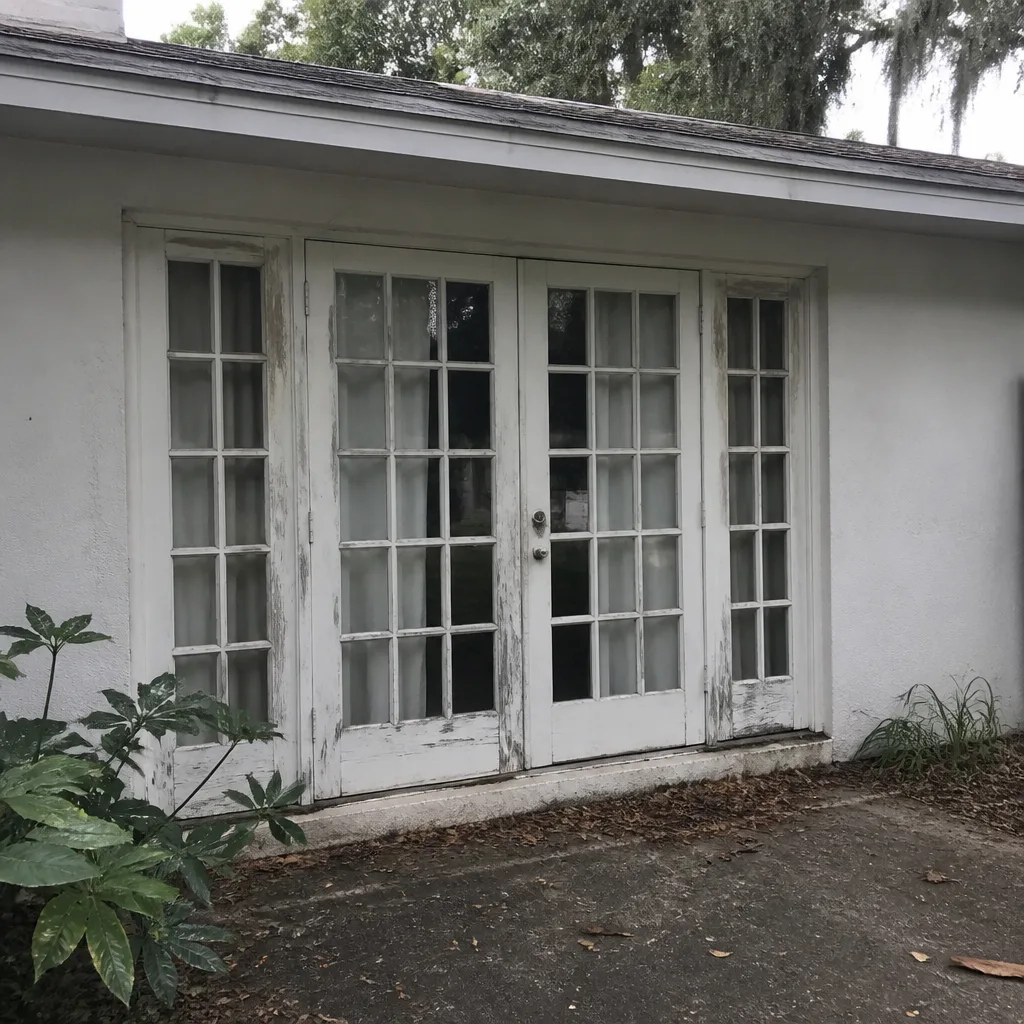 Before
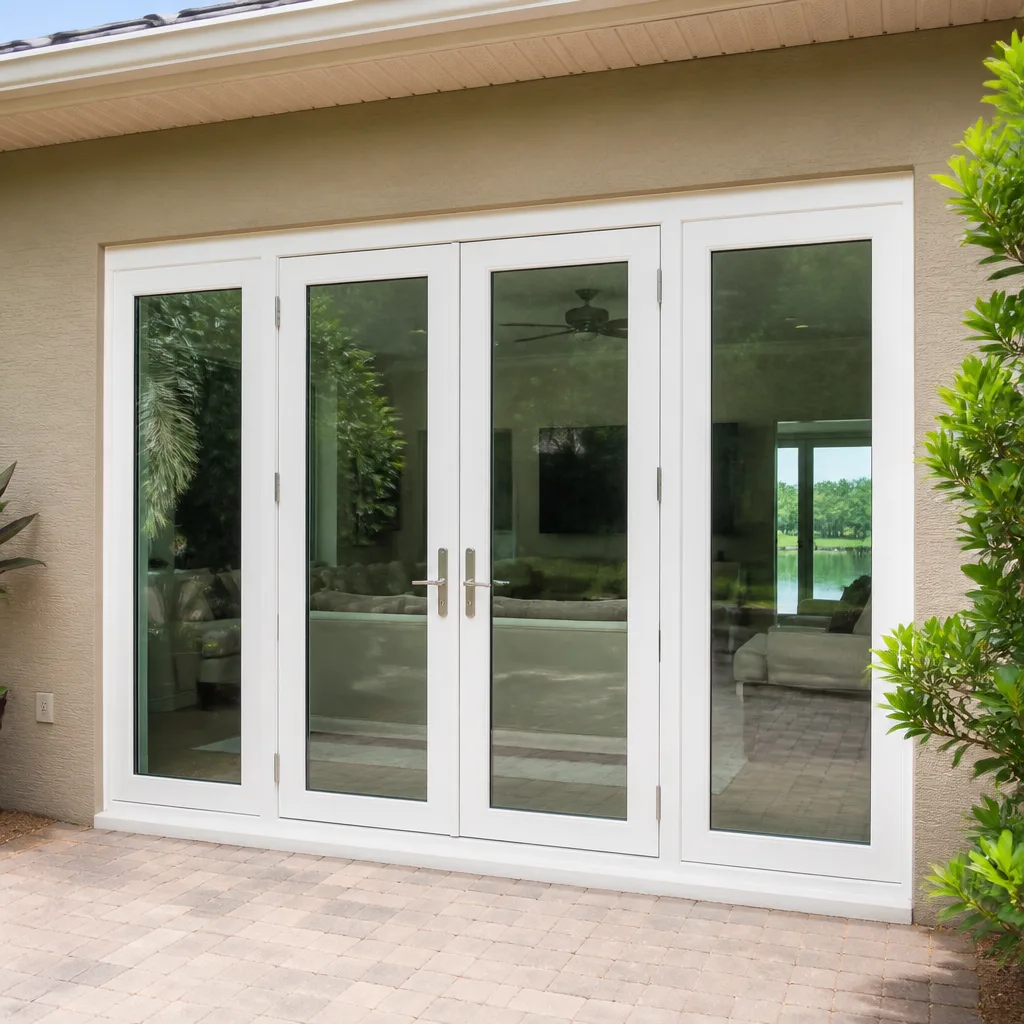 After
After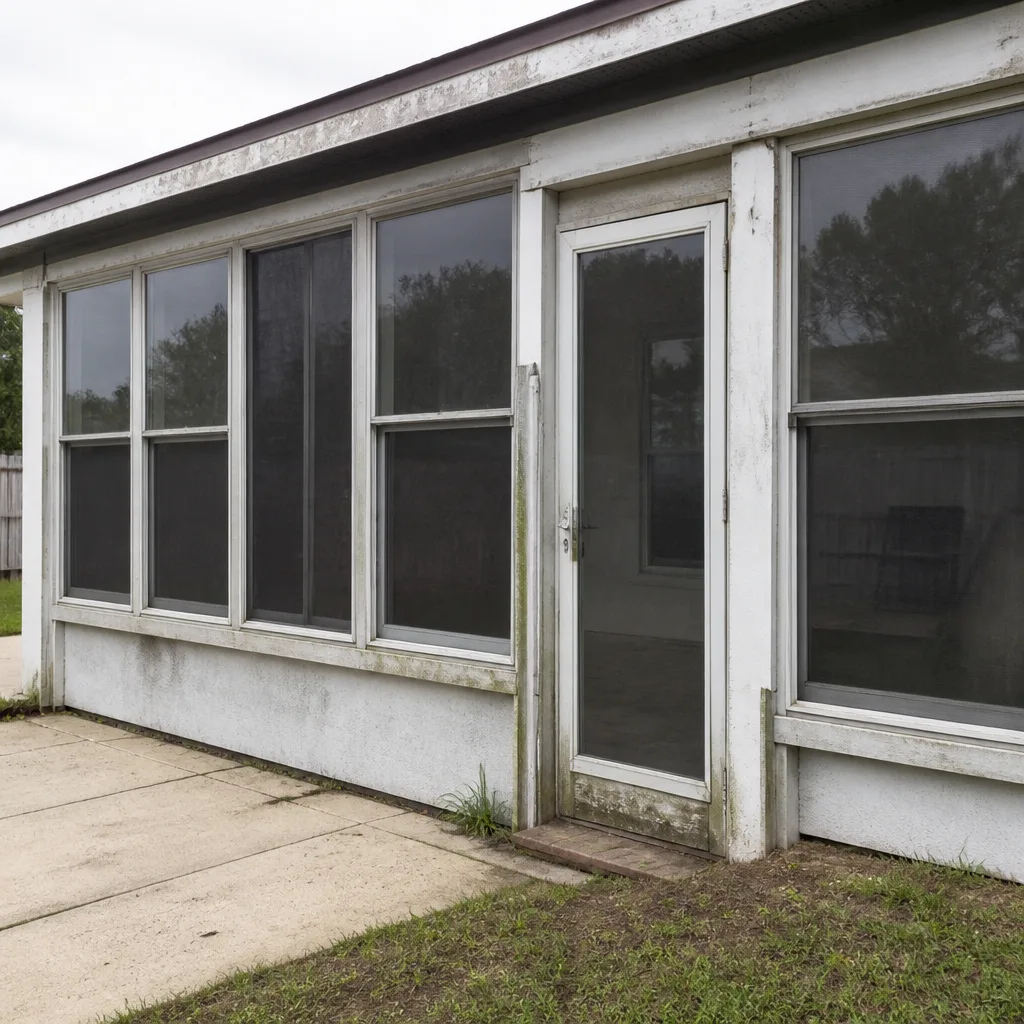 Before
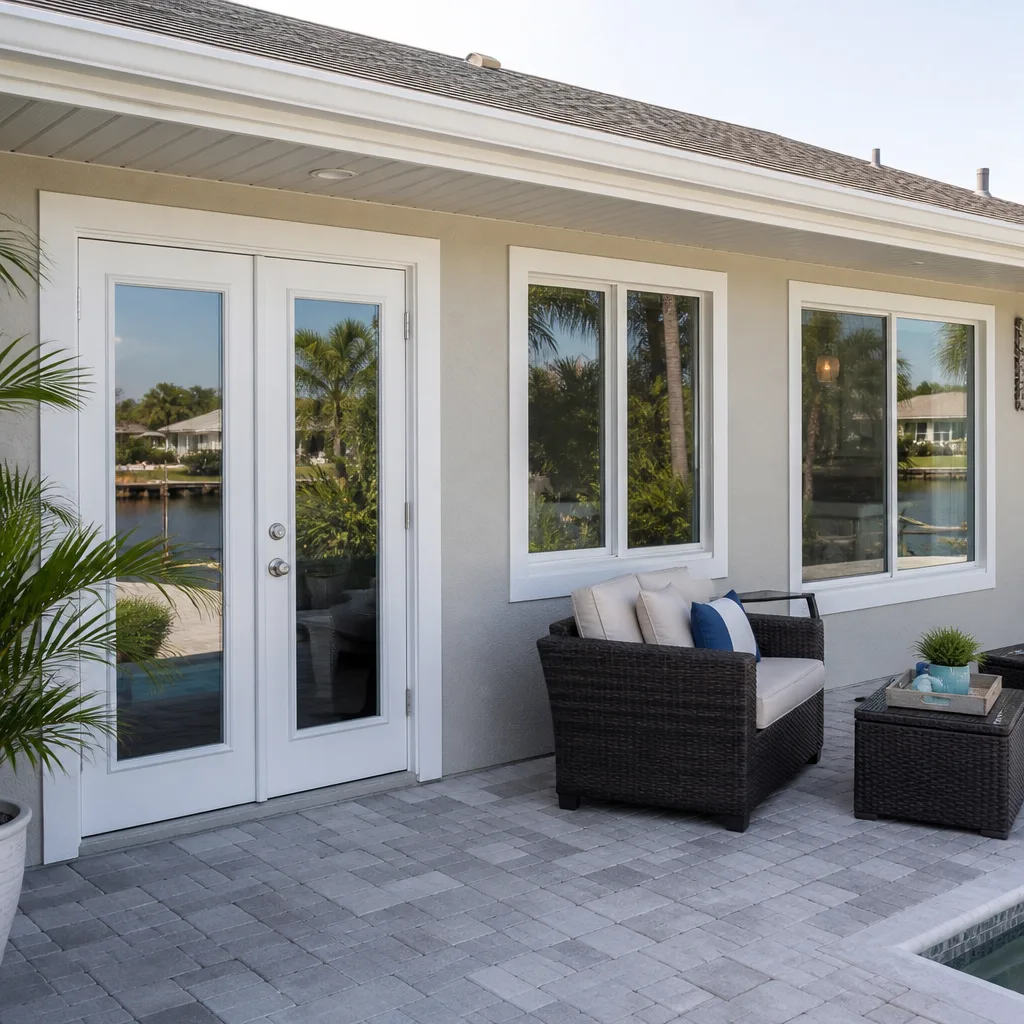 After
After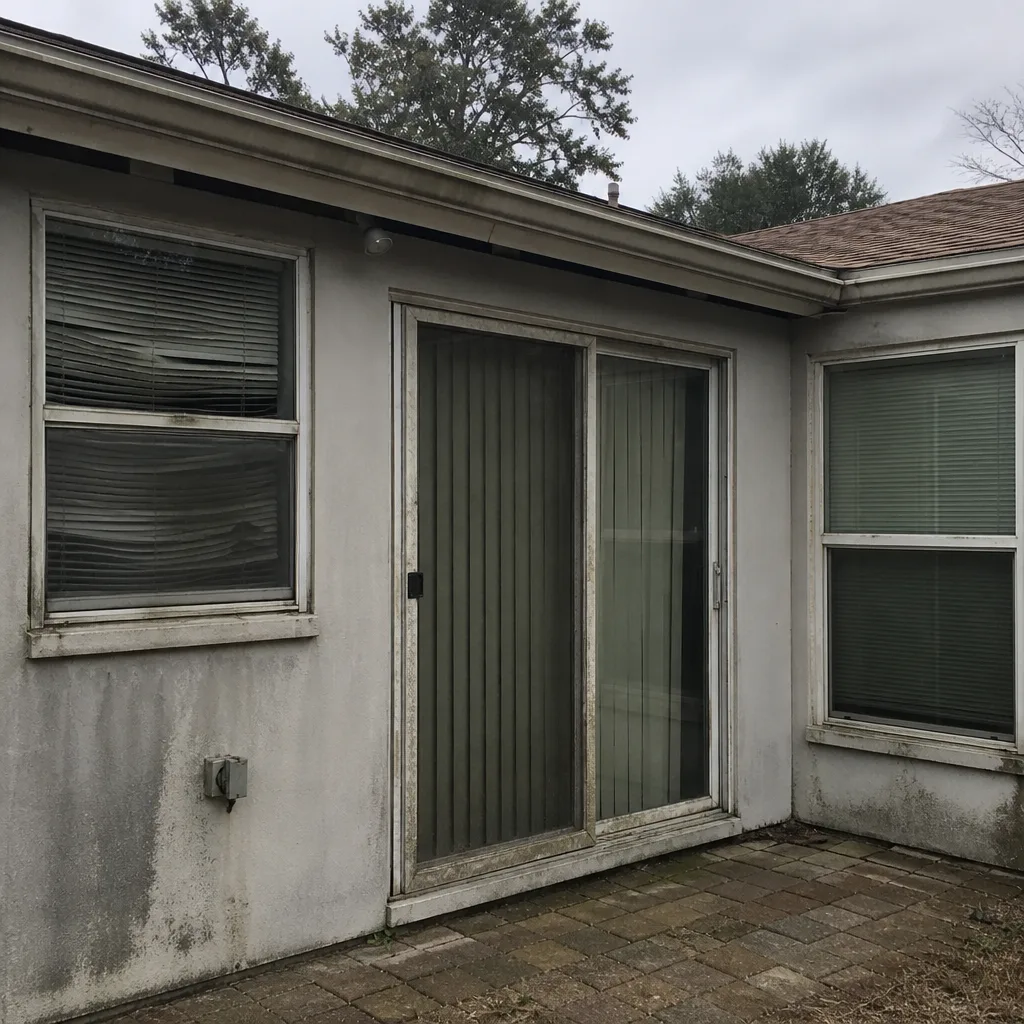 Before
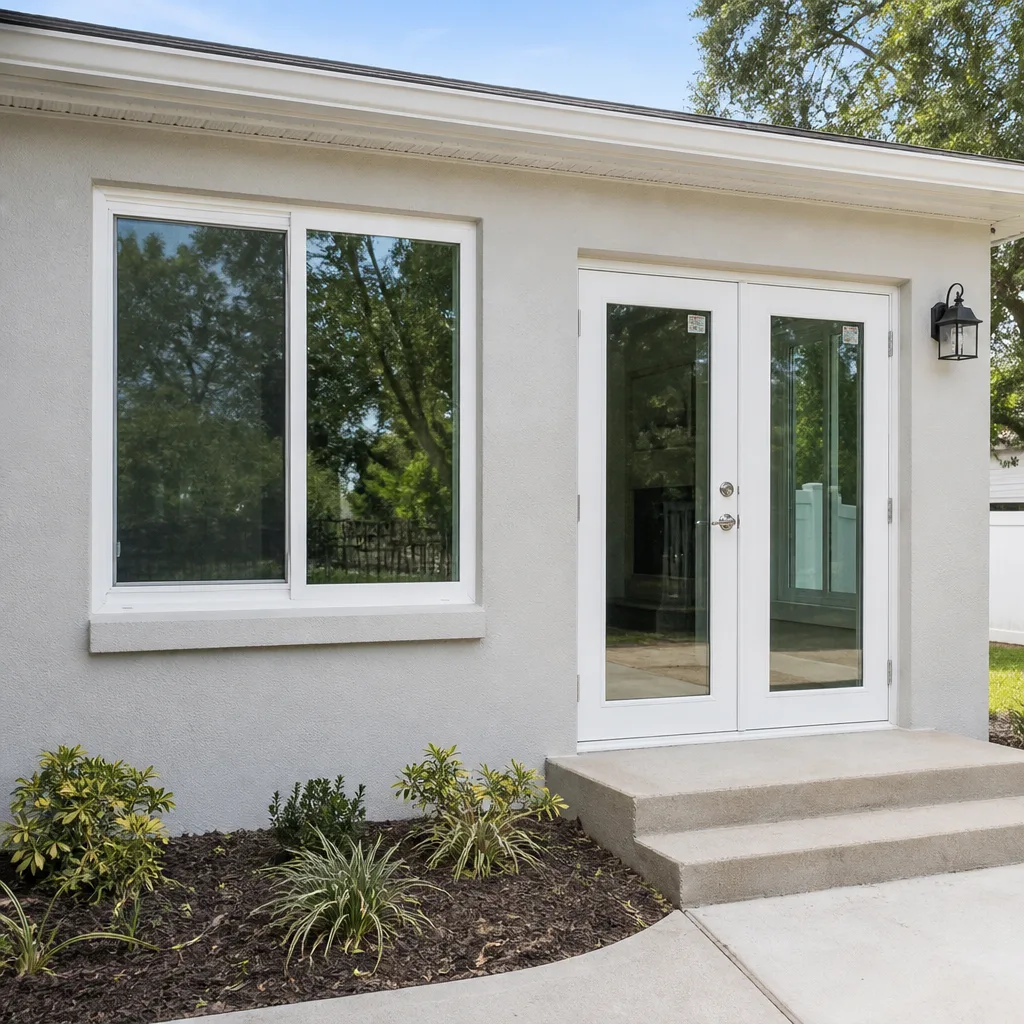 After
AfterSix Reasons Homeowners Choose Lightwell Windows Tampa
Impact systems engineered to design pressures up to +/-100, matched to your wind zone - your openings hold when the storm arrives.
Low-E insulated impact glass from our manufacturer lines commonly cuts monthly cooling bills 20-30%.
Laminated impact glass shuts out up to 40% of outside noise - traffic, neighbors, weather.
Monitoring services run $30-90 a month. Laminated impact glass resists forced entry around the clock, with no subscription.
Florida homeowners average around 25% savings on the windstorm portion of their policy after protecting every opening - some homes qualify for more.
A full impact package upgrades curb appeal, buyer confidence and appraised value in one project.