
Last updated October 17, 2026
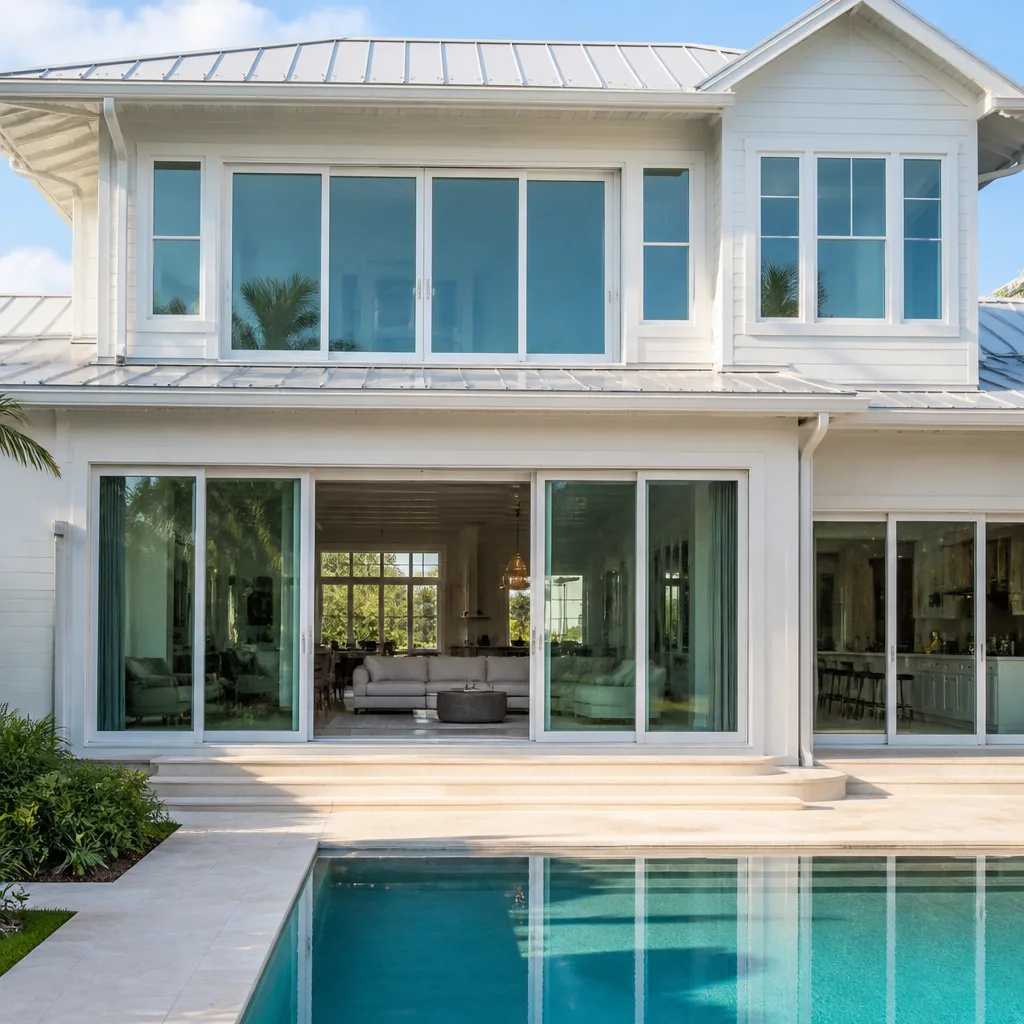
 Sliding glass doors
 Single hung
 Horizontal roller
 Casement
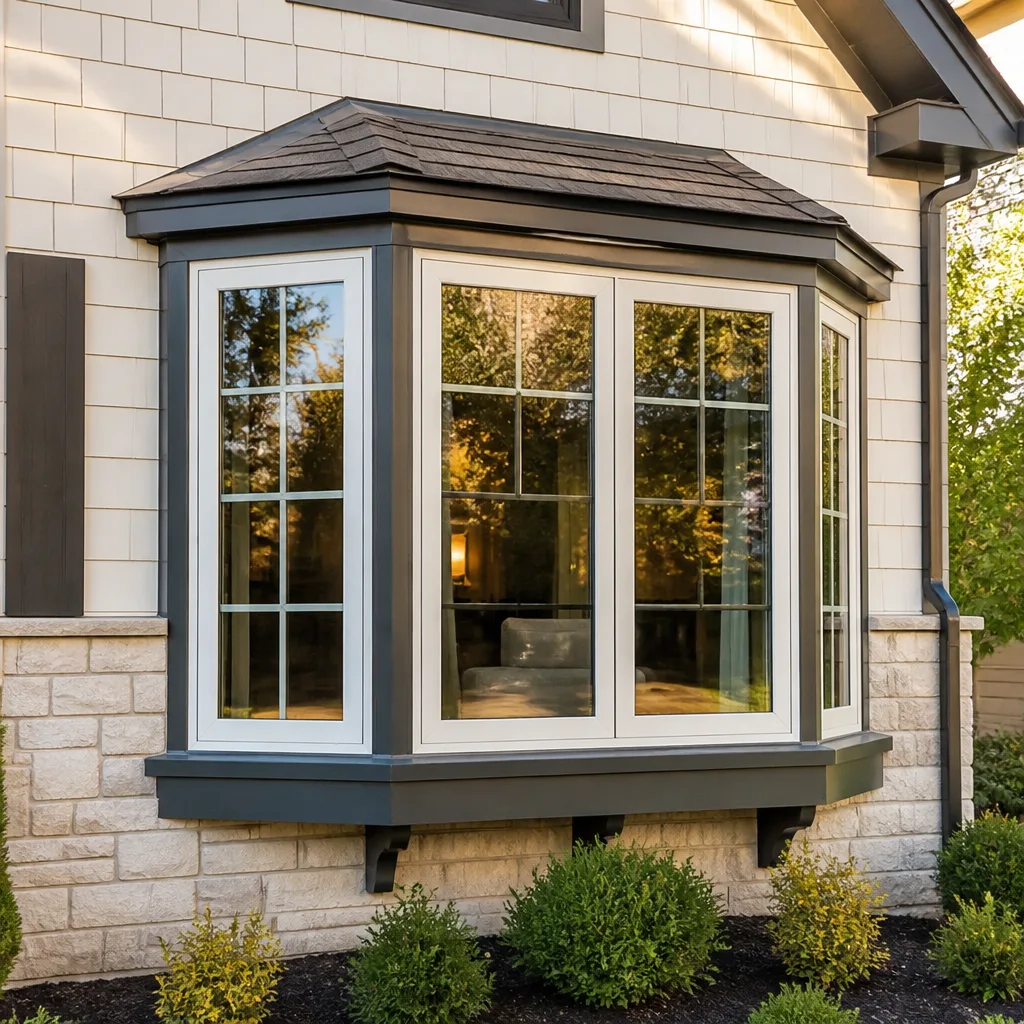 Bay & bow
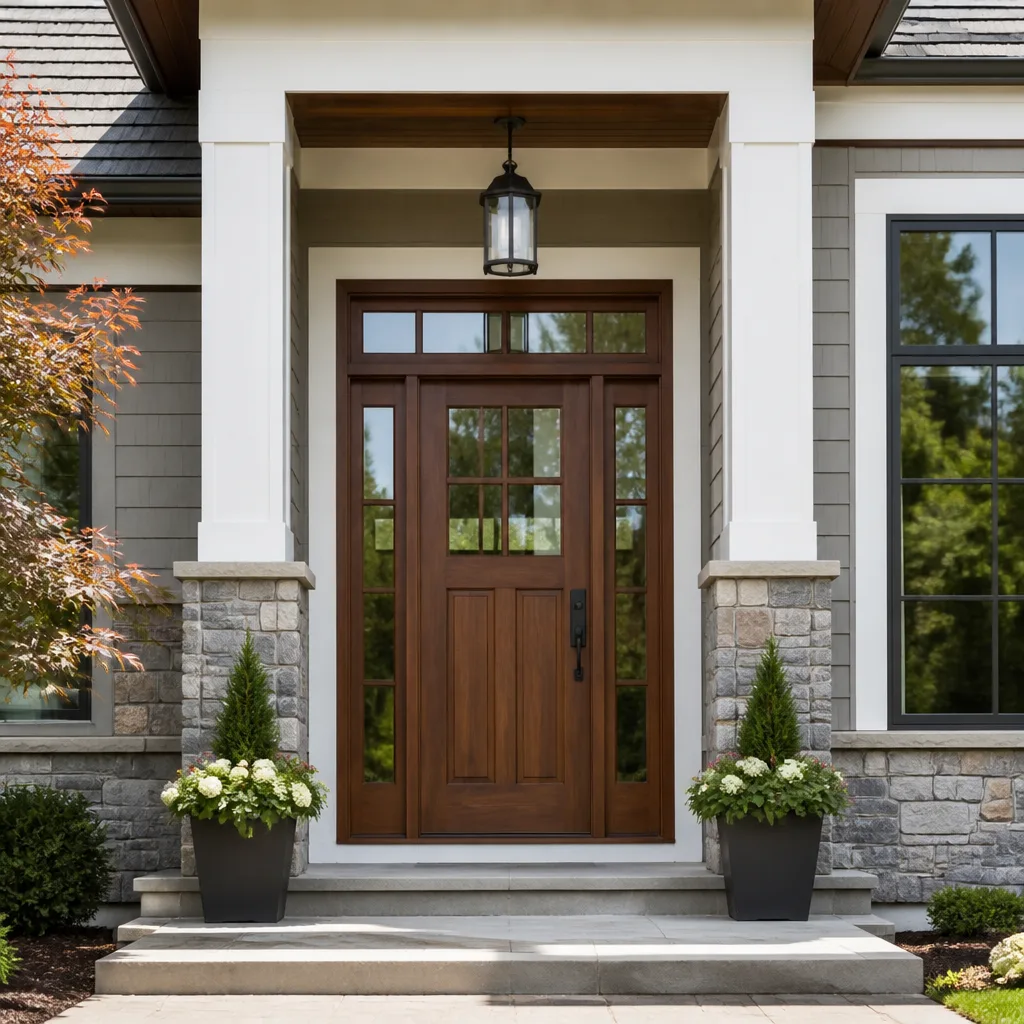 Entry doors
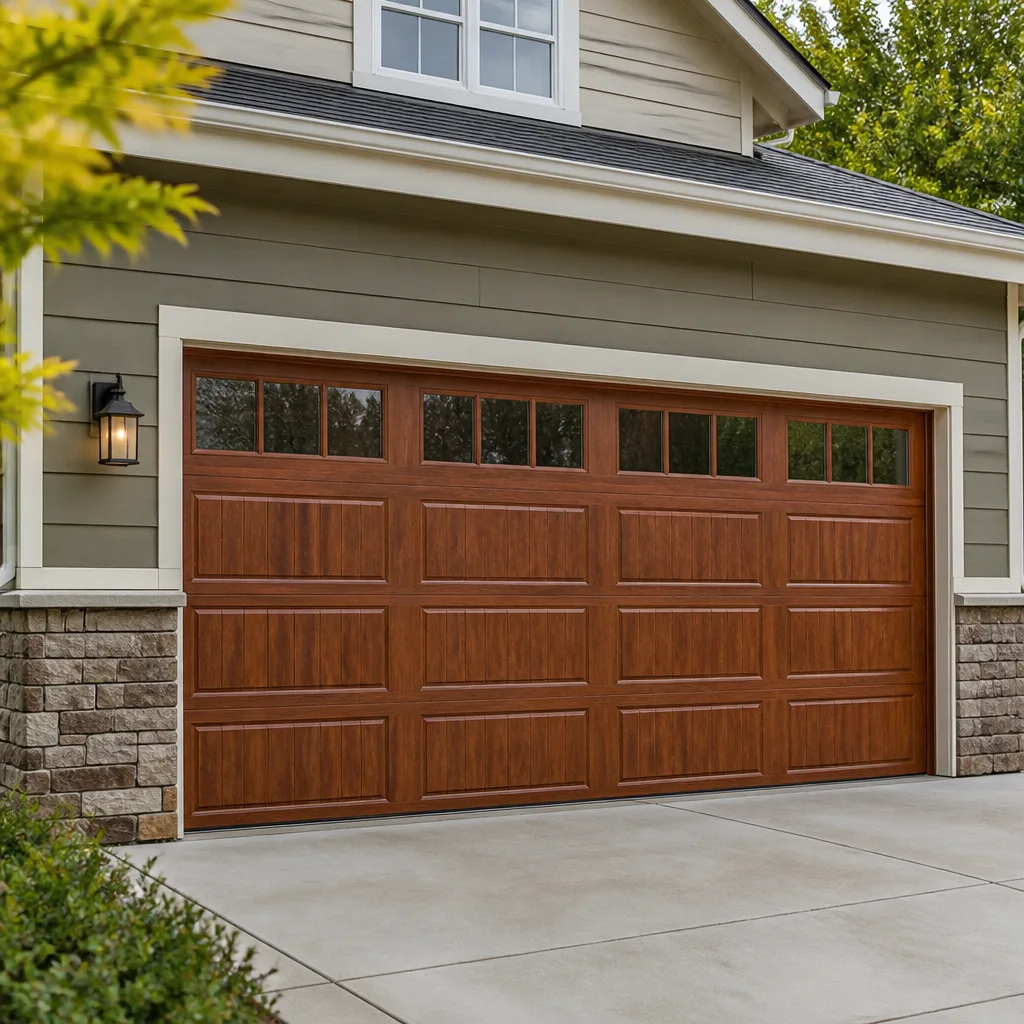 Impact garage doors
 PGT
PGT CGI
CGIFree in-home measure and quote - PGT, CGI and CWS impact lines compared on your actual openings, style by style
Get your free estimateHow to Hire a Windows & Doors Contractor in Tampa: A Step-by-Step Guide
In Hillsborough County, a window replacement without a permit isn’t just a code violation. It becomes a disclosed defect that can stall or kill a home sale years after the job is done. Most Tampa homeowners don’t discover this until the buyer’s inspector flags it during escrow. This guide walks you through the hiring process as a series of document checkpoints, not just interview questions, because in Florida, the paperwork is the protection. For more guides & resources on protecting your home investment, see our blog. You’ll learn exactly which licenses to verify, which documents to demand before signing, what a real site visit should look like, and how to inspect the finished work before you sign off. By the end, you’ll know more about hiring a contractor in Tampa than most people learn after their first bad experience.
Quick Answer
To hire a windows and doors contractor in Tampa, verify their Florida contractor license, confirm they carry insurance naming you as certificate holder, require a written estimate with fixed pricing and permit costs itemized, ask for the product’s Florida Product Approval or Miami-Dade NOA number, and never pay more than a modest deposit before work begins. A legitimate contractor will hand you these documents without hesitation. One who stalls on any of them is telling you something.
Styles & brands we work with
Table of Contents
- Step 1: Verify the Florida Contractor License Before You Talk Price
- Step 2: Request the Four Documents Every Legitimate Contractor Should Provide
- Step 3: Read the Written Estimate Line by Line
- Step 4: What a Real Pre-Installation Site Visit Looks Like
- Step 5: Understanding Florida Product Approvals and NOA Numbers
- Step 6: The Permit Process in Tampa and Hillsborough County
- Step 7: What to Verify After Installation, Before You Sign
- Common Mistakes to Avoid
- When to Call a Professional
- Frequently Asked Questions
Step 1: Verify the Florida Contractor License Before You Talk Price
In Florida, the license is the first checkpoint because it determines whether the person standing in your living room can legally pull a permit for your job. Not every contractor can. The state issues two relevant tiers you’ll encounter when hiring for window and door work in Tampa.
A State-Certified General Contractor holds a license that works statewide. This contractor passed the Florida state exam and carries the broadest authority to pull permits and manage the full scope of a building project. A State-Registered Specialty Contractor is registered to operate in specific local jurisdictions, often limited to a narrower trade category, and their authority to pull permits depends on the county or municipality where the job is located. In Hillsborough County, window and door replacement generally requires a permit, which means the contractor must hold a credential that the local building department recognizes for that specific scope of work.
Ask for the license number up front and check it yourself on the Florida Department of Business and Professional Regulation website. The DBPR database shows license status, any complaints on file, and whether the license is active or expired. Do not take a business card at face value. A five-minute check has saved Tampa homeowners from a year of legal headaches.
Here at Lightwell Windows Tampa home, we encourage every prospective customer to run our license before we measure anything. That’s the standard you should expect from any contractor you invite into your home.
Step 2: Request the Four Documents Every Legitimate Contractor Should Provide
Before you sign anything, collect four documents. A contractor who hesitates on any of these is giving you information you need.
- Florida contractor license number. Verified, not just displayed. This confirms the contractor is legally authorized to perform the work and pull the permit in Hillsborough County.
- Certificate of insurance naming you as the certificate holder. The certificate should show general liability coverage and, where relevant, workers’ compensation. Naming you as certificate holder means the insurer will notify you if the policy lapses mid-project. In Florida, a homeowner can be held liable for injuries on a job site if the contractor lacks workers’ comp. This document is not a courtesy; it’s a shield.
- Proof of permit application. Once work is scheduled, the contractor should file the permit application with Hillsborough County or the City of Tampa, depending on jurisdiction, and provide you the application number or confirmation. You want to see this before the crew arrives, not after.
- The product’s Florida Product Approval or Miami-Dade NOA number. Every window or door installed in Florida must carry an approval number from the Florida Building Commission or a Notice of Acceptance from Miami-Dade County. This proves the product met wind load, water infiltration, and structural testing standards. The number appears on a sticker or label on the product itself and in the documentation.
When a Tampa homeowner asks us for our insurance certificate or product approval numbers, our office pulls them the same day. That should be the normal response. If it’s not, walk away.
Step 3: Read the Written Estimate Line by Line
A written estimate is either a contract or a guess. In Tampa, where window and door replacement jobs often run several thousand dollars per opening, the difference matters. Most window replacement in Tampa ranges between $600 and $1,400 per opening depending on window type, frame material, glass package, and structural condition of the opening. Door installations typically run from $900 to $3,500 per opening, with multi-point locking systems and impact-rated glass pushing toward the higher end. These are working ranges, not quotes, but they give you a reference point before you sit down with the numbers.
Here is what the line items should show:
- Product cost per opening. The window or door, by brand and model name. Not “premium window” or “top tier unit.” Specific. The manufacturer’s name should be on the page.
- Installation labor per opening. A flat number, not an hourly rate that can drift. In Tampa, straightforward replacement installs are usually priced per opening.
- Permit fees. A line item for the actual permit cost from Hillsborough County or the City of Tampa.
- Disposal of old windows and doors. Who hauls them away and whether that’s included.
- Interior trim and exterior capping or trim work, if applicable, so you’re not surprised later by a finish-out charge.
- Any structural repair contingency, described in specific terms like “wood rot repair at rough opening, up to X board feet” rather than “as needed.”
Red-flag phrases to watch for: “materials TBD” means you have no price protection on the largest cost item. “Permit if required” is a signal the contractor either doesn’t know the code or intends to skip the permit and hope no one notices. In Hillsborough County, a permit is required for window and door replacements when openings are altered or when units are replaced in homes subject to the Florida Building Code. An estimate that hedges on permits is an estimate from someone who may not be licensed to pull one. “Installation includes standard adjustments” is vague enough that any unexpected condition becomes a change order on your dime. A real estimate says what installation includes and what it doesn’t, in writing.
At Lightwell Windows Tampa, every project gets a written price before any work starts, with no invoice surprises at the end. That’s a standing operating rule, not a sales tactic.
Step 4: What a Real Pre-Installation Site Visit Looks Like
A legitimate site visit for window or door replacement in Tampa takes 45 minutes to two hours and gathers information, not just measurements for a sales pitch. If the salesperson spends more time showing you a catalog than examining your openings, you’re in a presentation, not an assessment.
Here’s what a thorough visit includes:
- Measuring the rough opening. The contractor should measure width, height, and depth of the opening at multiple points. Tampa homes vary: a 1960s ranch in Seminole Heights has different framing dimensions than a 2005 CBS block home in New Tampa. The contractor should measure each opening individually, not assume they’re uniform because they were built at the same time.
- Checking the lintel condition on CBS homes. Concrete block and stucco construction, common across much of Tampa, places a load on a lintel above window and door openings. A cracked lintel, rusted steel, or sagging header changes the structural approach and the price. The contractor should look at this before quoting.
- Confirming sill slope for drainage. Florida’s wet season makes sill drainage the difference between an opening that stays dry for 20 years and one that rots the framing in five. The contractor should check the sill’s outward slope and note whether it needs correction before the new unit goes in.
- Reviewing interior and exterior trim condition. Rot, termite damage, and water staining affect what the finished opening will cost. A good contractor documents what’s there so the final result is priced from fact, not hope.
- Asking about your home’s existing systems. A smaller detail: does the home have hurricane shutters, external security screens, or interior blinds that affect the window style you can install? The contractor should ask. This is the attention-to-detail signal you’re looking for.
If a contractor gives you a number without looking inside the opening or above it, the number is provisional, even if they won’t say so. In our experience, the homes where unexpected costs appear are the ones that got quoted from the curb.
Step 5: Understanding Florida Product Approvals and NOA Numbers
Florida is the only state with a mandatory product approval system for windows and doors. Every unit installed in Tampa must carry either a Florida Product Approval from the Florida Building Commission or a Notice of Acceptance from Miami-Dade County. This approval certifies that the specific product passed wind load, water infiltration, air leakage, and structural pressure testing under Florida code requirements.
Before you sign a contract, ask the contractor for the approval number of the exact window or door you’re buying. This is not a brand-level credential; it’s a product-level certification. A manufacturer like ES Windows, ECO Window Systems, Mr-Glass, or Therma-Tru produces lines with different approval ratings for different Florida wind zones. The approval number for a PGT window designed for a coastal wind zone in South Tampa differs from a unit rated for inland Carrollwood.
Here’s the practical part: after installation, the product label with the approval number stays on the window or door frame. The inspector from Hillsborough County or the City of Tampa verifies the product matches the permit. If the contractor installs a unit without a Florida Product Approval or Miami-Dade NOA, the inspection fails. If the work was never permitted and no one checks, the missing approval becomes a problem at resale, when the home inspector flags non-conforming windows and the buyer’s lender pauses the transaction. This is why the document checkpoint comes before the product selection.
When we recommend one of our eight manufacturer brands for window installation in Tampa or door installation in Tampa, the proposal includes the product approval number. The customer sees exactly which tested configuration they’re buying, before they buy it.
Step 6: The Permit Process in Tampa and Hillsborough County
Most window and door replacement work in Tampa requires a permit through either the City of Tampa Construction Services Division or Hillsborough County Development Services, depending on the property’s jurisdiction. The permit is not a bureaucratic afterthought; it’s the document that connects your licensed contractor to the work on record and triggers the inspection that verifies code compliance.
Here’s the sequence you should expect:
- The contractor files the permit application. The application includes the contractor’s license, the product approval numbers, and the scope of work. For window and door replacement, this is often processed as an “alteration” permit, not a full building permit, but it’s still a permit.
- The fee is paid. Permit fees in Hillsborough County vary by valuation; your contractor should have the exact fee in your estimate, not “permit if required.”
- The permit is issued. Once issued, the project can begin legally. The permit number should be posted on the job site or available for inspection by local code enforcement.
- Installation happens. The work proceeds in a window (no pun intended) that aligns with the permit’s validity period.
- The inspector visits. After installation, a local building inspector verifies the work matches the permit, the products match the approvals, and the installation meets code. You should be present or have access to the inspection report.
- The final sign-off. A passed inspection closes the permit. That closing is your proof that the job was done legally, which is what a future buyer’s inspector will want to see.
If a contractor tells you a permit isn’t needed for your window replacement in Tampa, ask them to put that in writing with their license number attached. In most cases, they won’t, and you’ll have your answer about what kind of operator you’re dealing with.
Step 7: What to Verify After Installation, Before You Sign
The completion certificate is the document that says the job is finished and releases final payment. Before you sign it, walk the work yourself, close at hand, during daylight hours. Here’s your physical verification list.
Operate every window and door. Open, close, lock, unlock, tilt, slide. If it sticks, binds, or needs more than reasonable effort, it’s not right. In Tampa’s humidity, a poorly seated window will stick worse in summer, not better.
Check the seal and caulk line. Look at the exterior perimeter of every new unit. The caulk bead should be continuous, not skipped or smeared, and should follow the joint between the frame and the wall surface. A gap in the seal is a water entry point during the first Tampa afternoon thunderstorm.
Verify the product label matches your purchase. Each window and door carries a manufacturer label with the model, the Florida Product Approval or NOA number, and the NFRC rating. Match that label to the product described in your contract and the permit.
Confirm clean-up. The crew should leave the work areas free of old caulk, shims, packaging, and debris. More than that, the interior floors around each opening should be as clean as they were before the work started. If a contractor uses shoe covers and drop cloths on every visit and photographs the clean-up before the crew leaves, you’re working with a company that treats your home as a home, not a job site. At Lightwell Windows Tampa, that’s part of the Cedarwell Care Promise, along with asking before we move or touch anything and respecting your family’s time and quiet hours.
Confirm the inspection passed. The contractor should provide the passed inspection report from the City of Tampa or Hillsborough County. If they can’t produce it, the permit isn’t closed, and the job isn’t finished, regardless of how the windows look.
Once all this is confirmed, the completion certificate is yours to sign. Any contractor who pressures you to sign before you’ve walked the openings is asking you to release payment for work you haven’t verified. Don’t.
Common Mistakes to Avoid
- Hiring on price alone. In Tampa’s window and door market, the lowest bid often means unlicensed labor, skipped permits, or a product without a Florida approval number. The cost of fixing a bad install exceeds the savings on the front end almost every time.
- Signing an estimate that has “TBD” anywhere in it. Materials TBD means the price can move after you’re committed. If the contractor can’t name the product and its price before you sign, they’re selling a position, not a project.
- Assuming the contractor will “handle the permit later.” In Hillsborough County, permits are pulled before work starts, not after. A contractor who starts without a permit is either unlicensed or cutting a corner that becomes your liability.
- Skipping the certificate of insurance. A general liability policy that doesn’t name you as certificate holder leaves you without standing if the contractor damages your property or a worker is injured on your property.
- Not reading the product approval label before the crew leaves. Once the installation is done and the contractor is gone, proving a non-conforming window was installed becomes a dispute. The label check is a one-minute act that saves that entire fight.
- Paying the full balance before inspecting the work. A deposit is standard. Full payment before your walk-through is a contractor financing the job on your money, which removes your only leverage if the work is wrong.
- Choosing a window based on brand familiarity instead of Florida code requirements. A brand you know from another state may not carry a Florida Product Approval for your wind zone. The approval number matters more than the logo.
When to Call a Professional
If you’re seeing water stains around window frames, condensation between glass panes, doors that no longer latch after years of Tampa humidity, or if you’re planning to sell and want the openings documented with permits and approvals, call a licensed contractor for an assessment. A professional walks the openings, checks the structure, identifies what your home actually needs, and gives you a written price before work begins. If you’re near South Tampa, Seminole Heights, New Tampa, or anywhere in Hillsborough County, Lightwell Windows Tampa offers free estimates. Call (850) 360-6785, and a live person answers. We’ll send a background-checked, uniformed technician who’ll treat your floors and your family with the C.A.R.E. values: clean up like it’s our own home, ask before we move or touch anything, respect your time and quiet hours, and explain the price before any work starts.
Frequently Asked Questions
Window replacement in Tampa typically runs between $600 and $1,400 per opening, with door installation ranging from $900 to $3,500 per opening, depending on product, frame material, glass package, and the condition of the existing opening. The most accurate way to price your project is a site visit with written, line-item pricing. Call (850) 360-6785 for a free estimate from Lightwell Windows Tampa.
Yes, most window and door replacement work in Tampa requires a permit through the City of Tampa or Hillsborough County, and a licensed contractor must pull it. Unpermitted work becomes a disclosed defect that can stall a future home sale. A reputable contractor files the permit application before installation and provides the permit number to you.
A Florida Product Approval or Miami-Dade NOA number is a certification that a specific window or door product passed Florida Building Code testing for wind loads, water infiltration, and structural pressure. Every unit installed in Tampa must carry one. Your contractor should provide the approval number for the exact product you’re buying, and the label stays on the unit after installation.
Check the license number on the Florida Department of Business and Professional Regulation website. The DBPR database shows license status, active or expired, and any complaints on file. Verify the number before signing a contract and again before the crew arrives.
A written estimate should include product cost per opening with manufacturer name, installation labor per opening, permit fees, disposal of old units, interior trim and exterior finish work, and any structural repair contingencies described in specific terms. Red flags include “materials TBD,” “permit if required,” and vague installation descriptions that leave room for change orders.
Ask for that statement in writing with the contractor’s license number. In most cases in Hillsborough County, written confirmation that a permit isn’t needed will not be provided, because it would expose an unlicensed or non-compliant operator. If the contractor refuses, that’s your signal to find someone else. Call (850) 360-6785 to speak with a licensed professional who can confirm the permit requirements for your specific property.
The Bottom Line
Hiring a windows and doors contractor in Tampa is a series of checkpoints: verify the license, collect the four documents, read the estimate line by line, watch the site visit, confirm the product approvals, track the permit, and inspect before you sign. Most problems in window and door work are not craftsmanship failures; they’re documentation failures that surface years later. Do the paperwork checks at each step, and the craftsmanship usually follows. A light well is what brings daylight deep into a building, and that’s what a well-installed window should do for your home. If you’re ready for a free estimate from a contractor who puts every price in writing before touching anything, call Lightwell Windows Tampa at (850) 360-6785.
Written by Keith Yamada, Owner at Lightwell Windows Tampa, serving Tampa since 2010.
See the difference
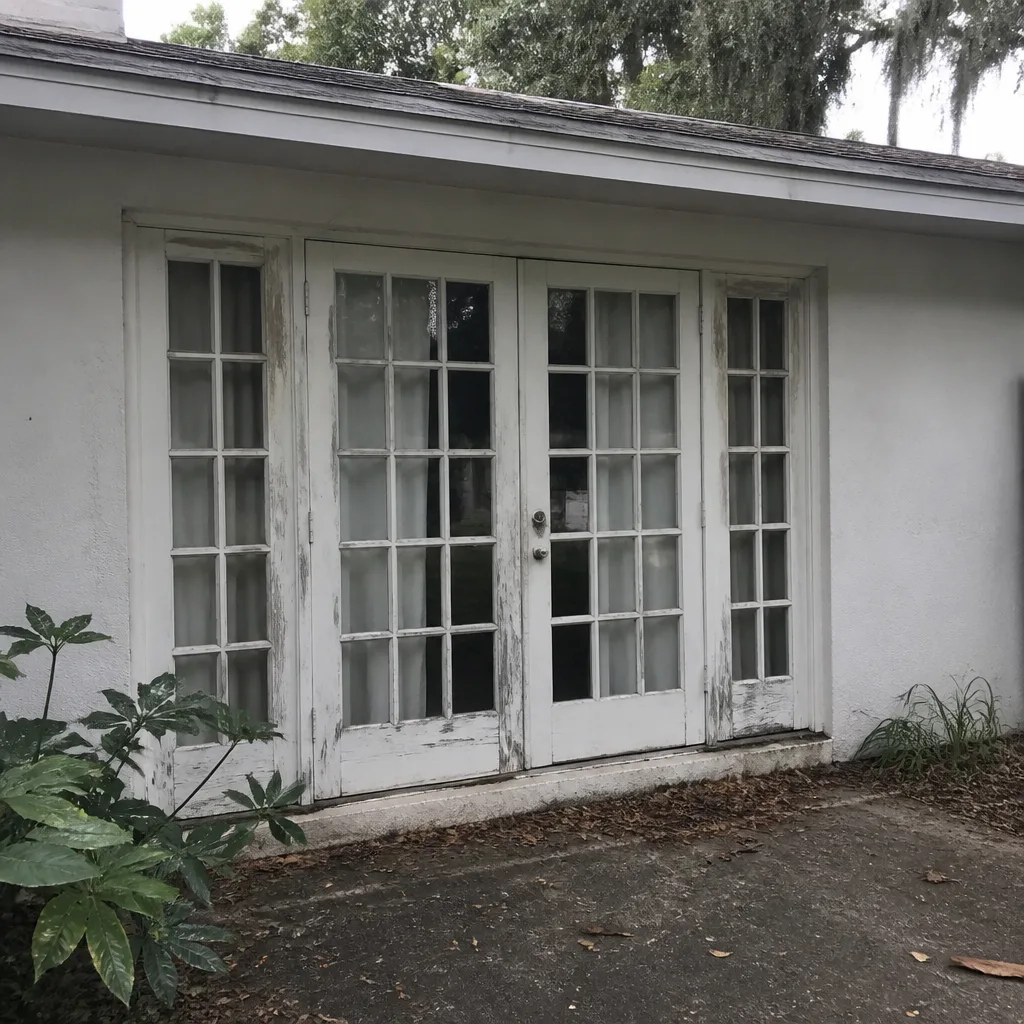 Before
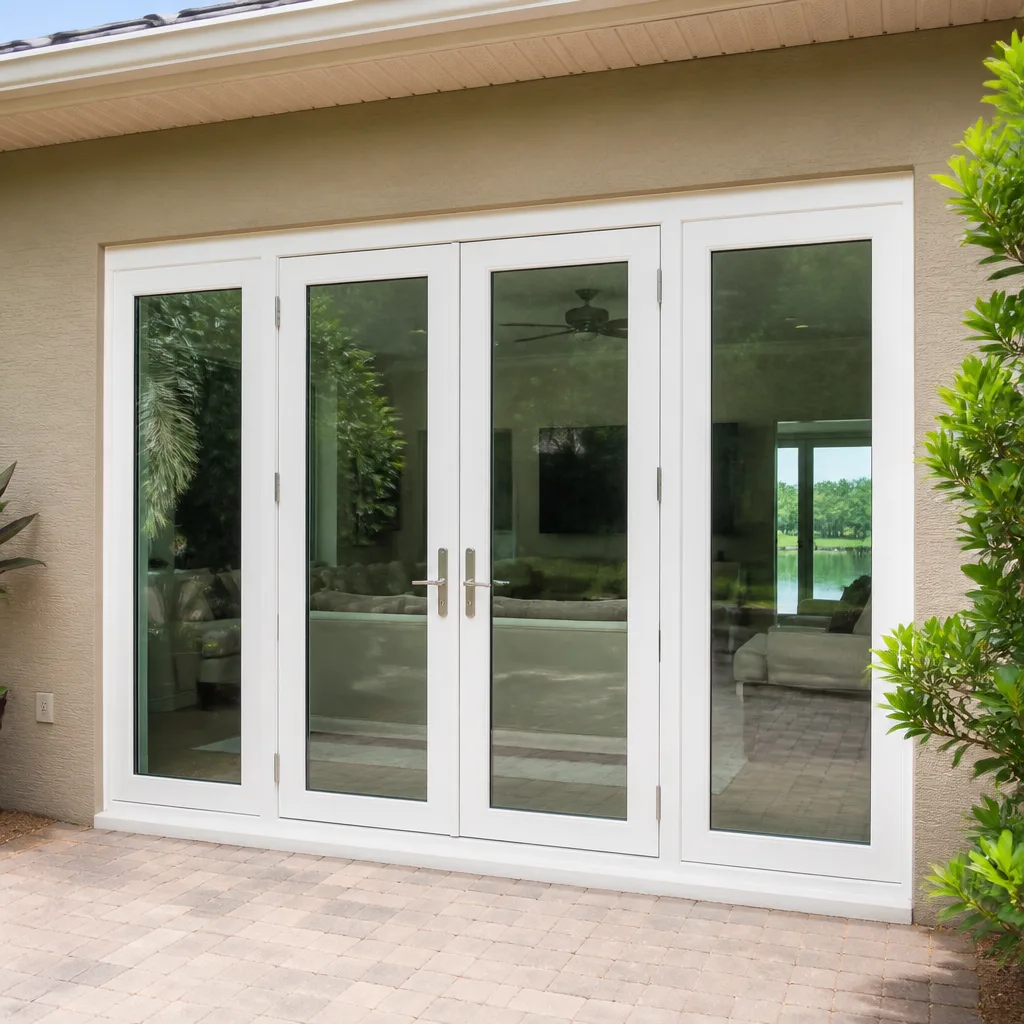 After
After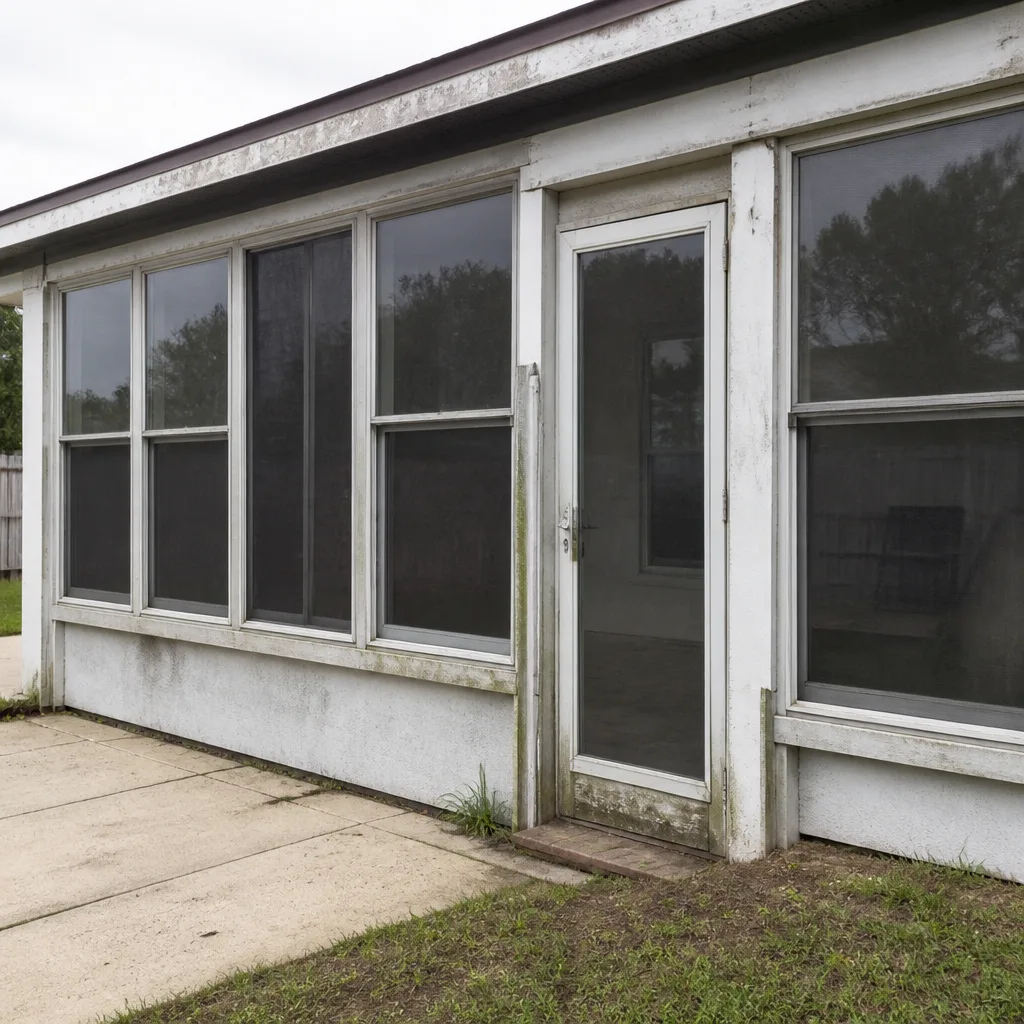 Before
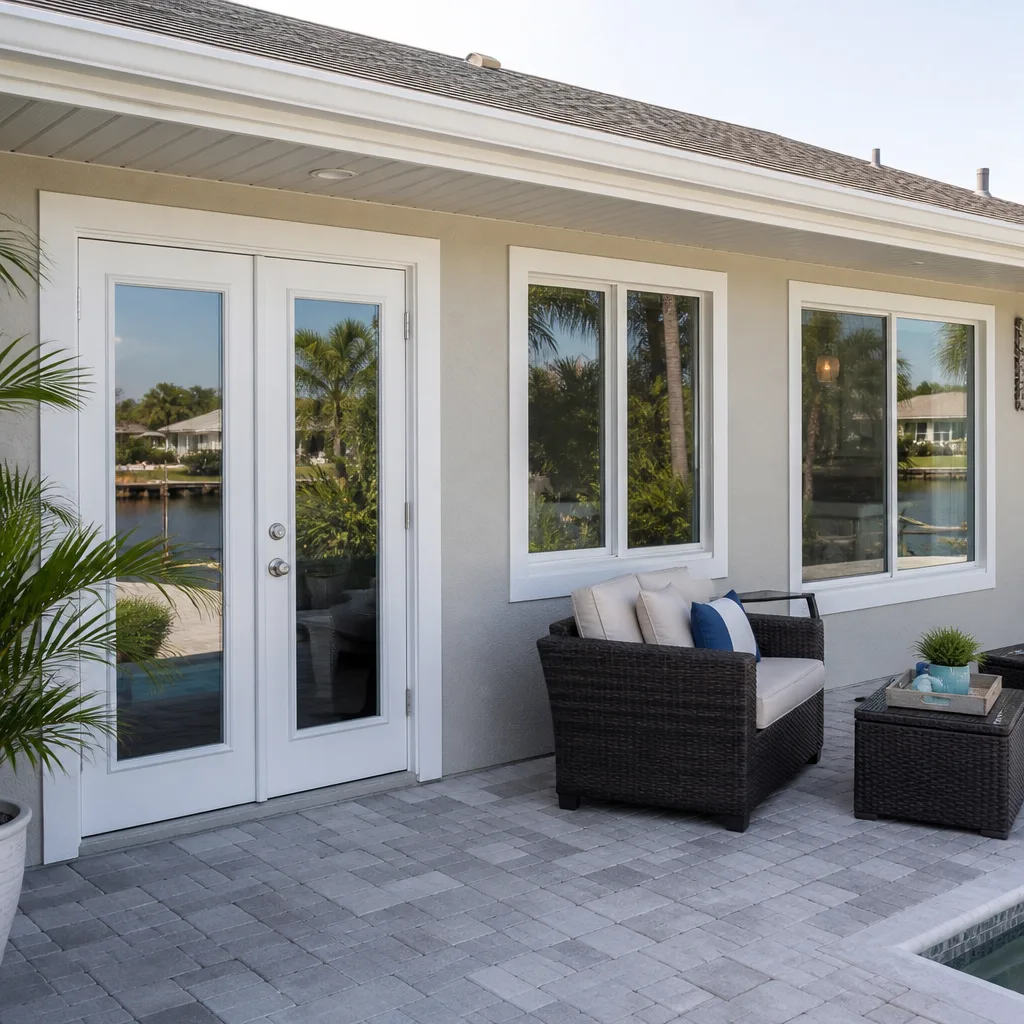 After
After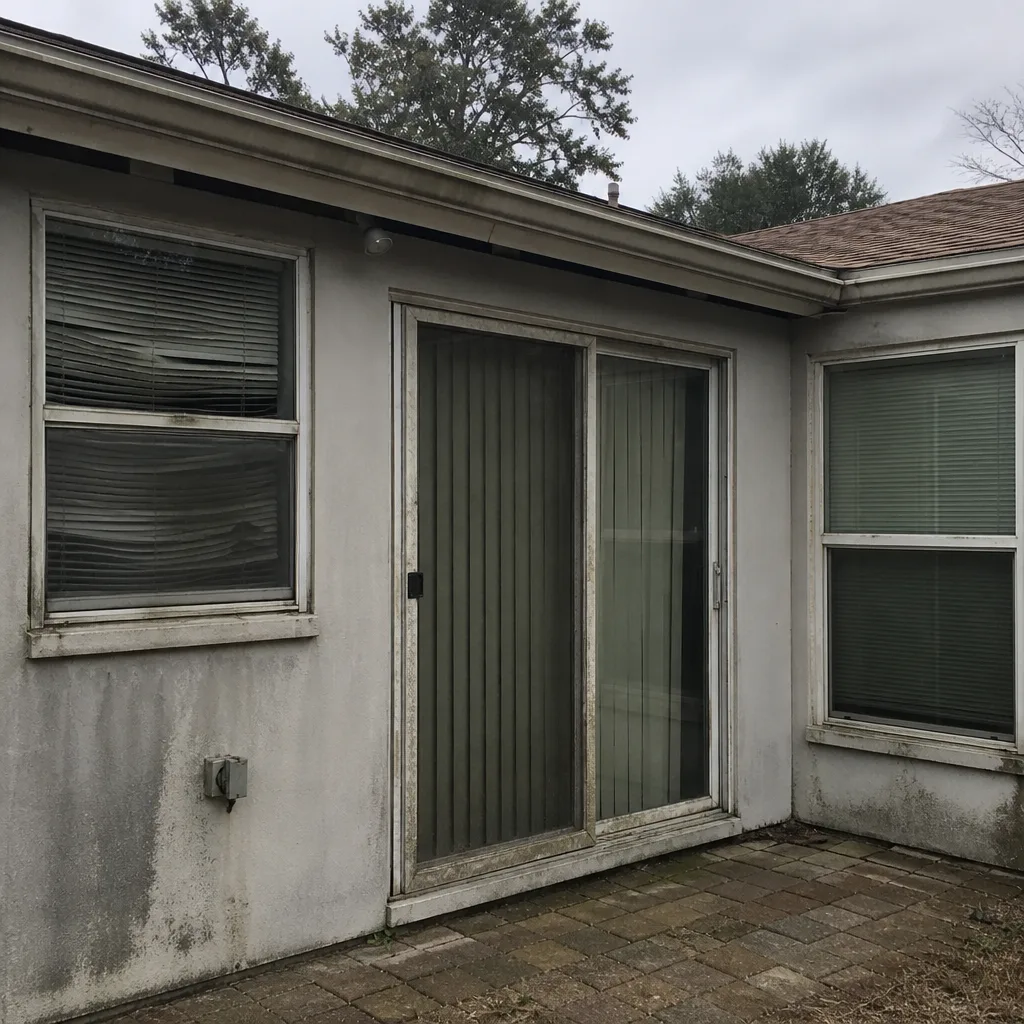 Before
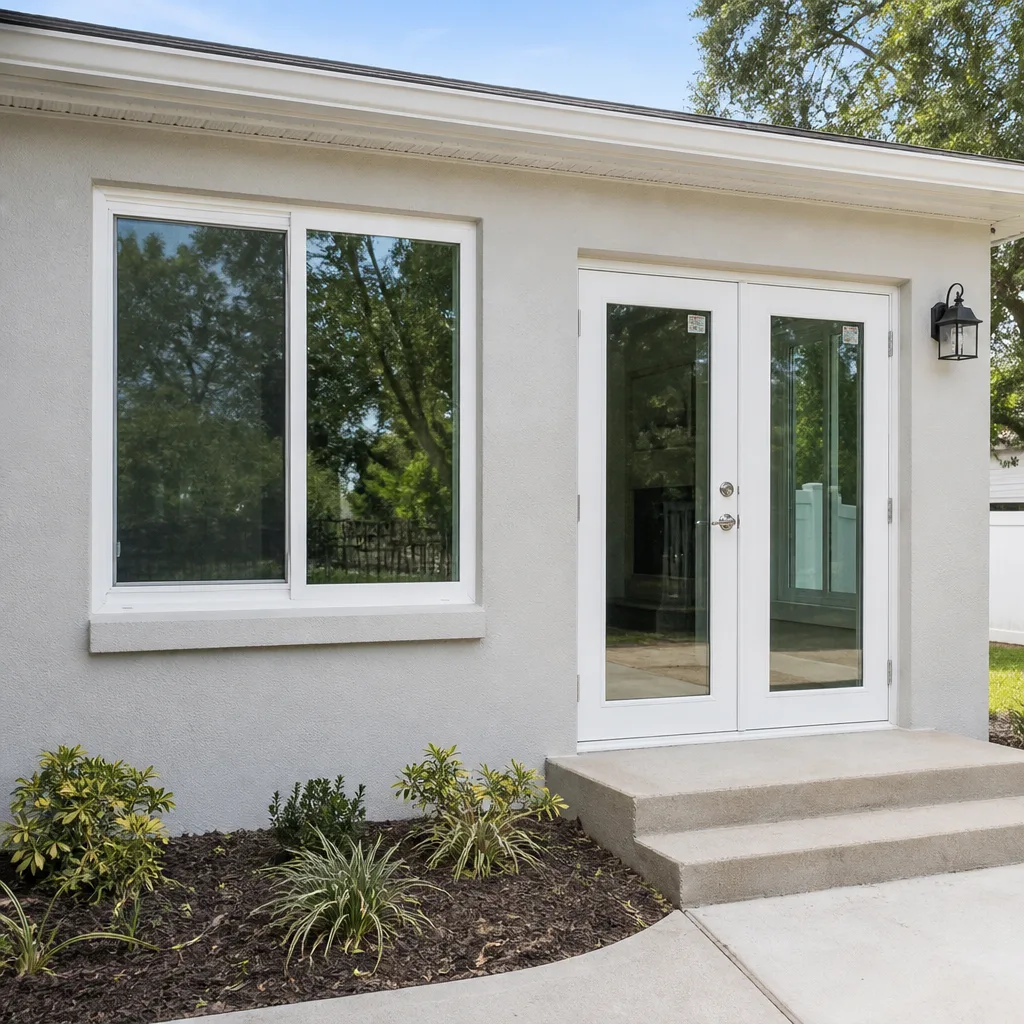 After
AfterSix Reasons Homeowners Choose Lightwell Windows Tampa
Impact systems engineered to design pressures up to +/-100, matched to your wind zone - your openings hold when the storm arrives.
Low-E insulated impact glass from our manufacturer lines commonly cuts monthly cooling bills 20-30%.
Laminated impact glass shuts out up to 40% of outside noise - traffic, neighbors, weather.
Monitoring services run $30-90 a month. Laminated impact glass resists forced entry around the clock, with no subscription.
Florida homeowners average around 25% savings on the windstorm portion of their policy after protecting every opening - some homes qualify for more.
A full impact package upgrades curb appeal, buyer confidence and appraised value in one project.