
Last updated October 17, 2026
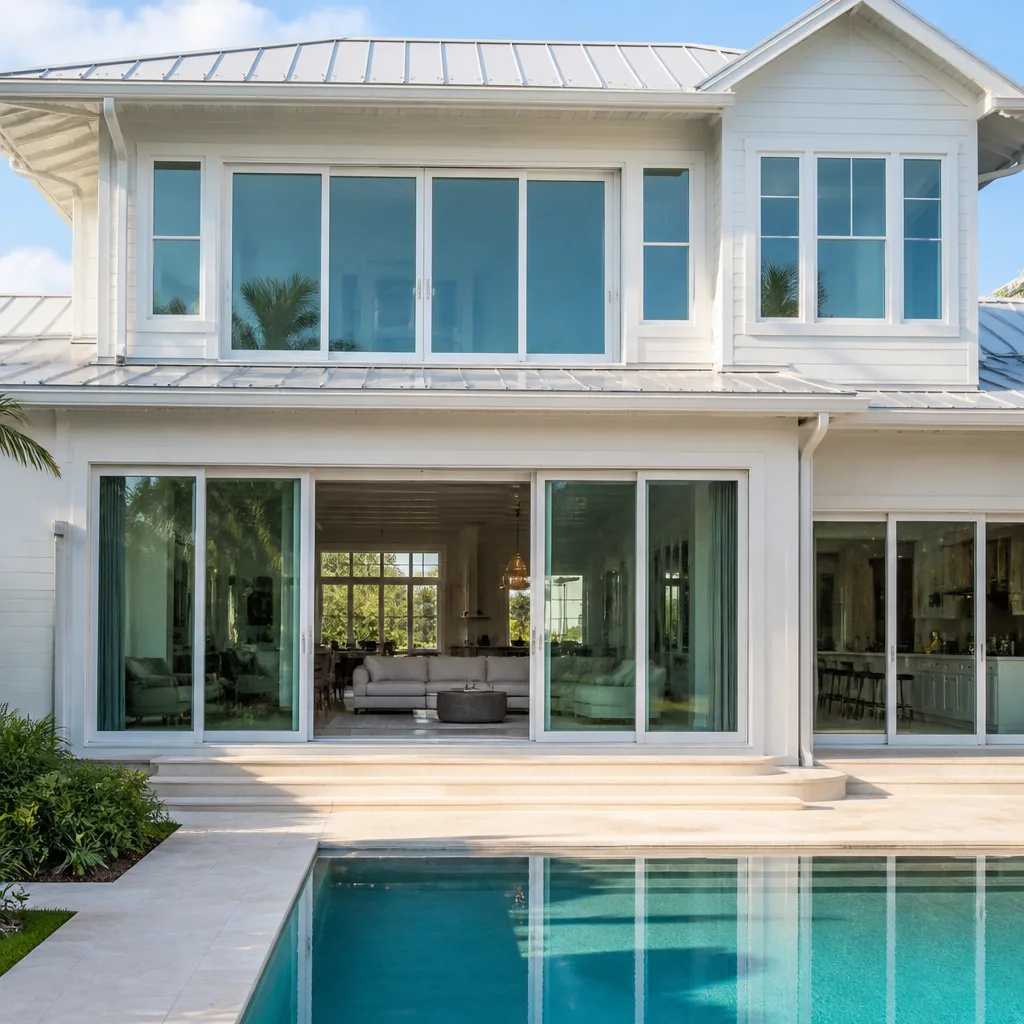
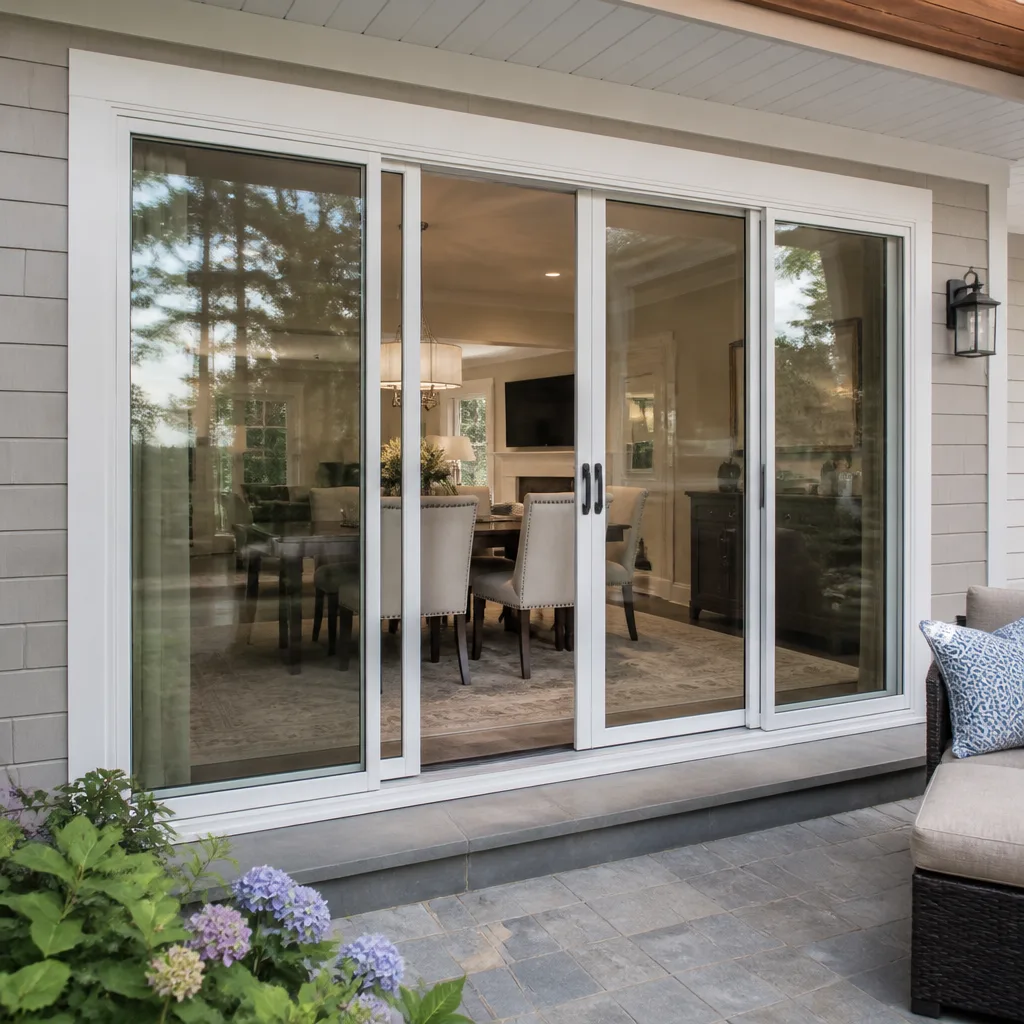 Sliding glass doors
 Single hung
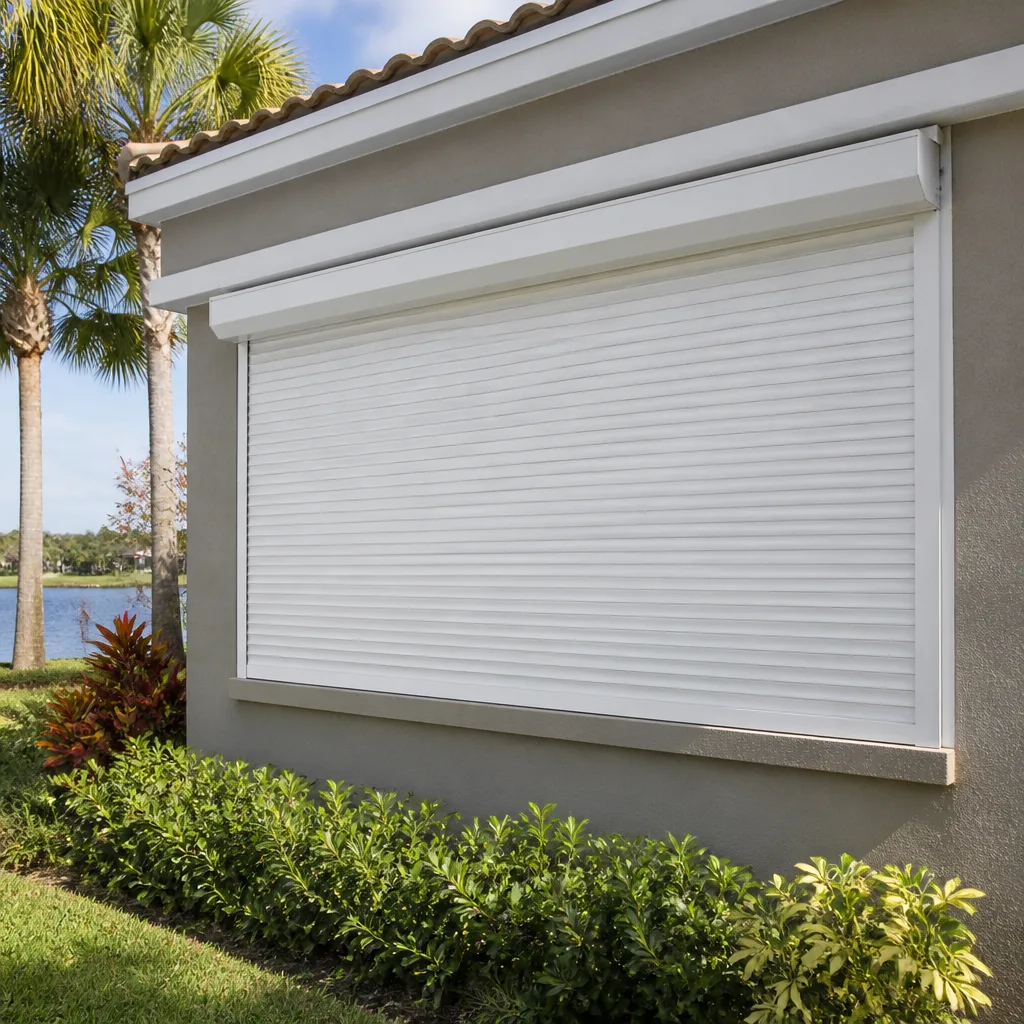 Horizontal roller
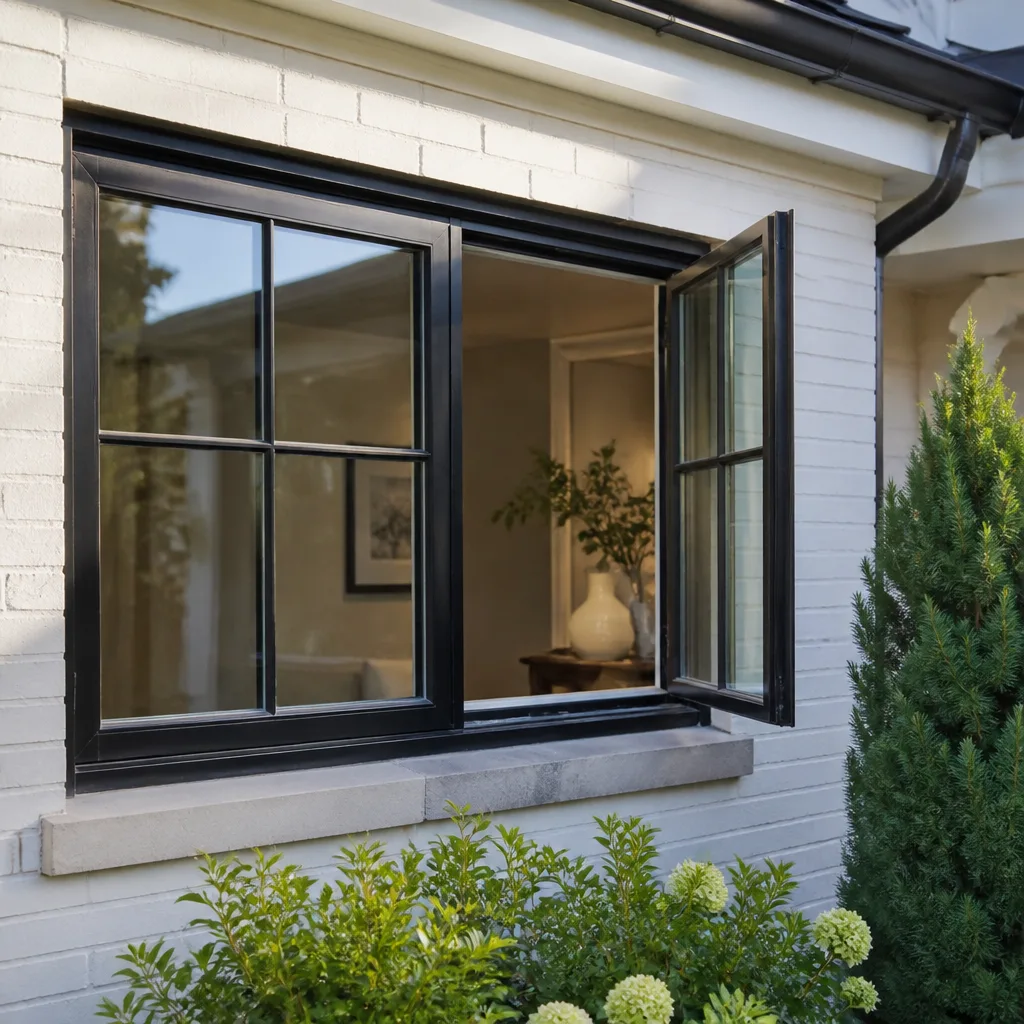 Casement
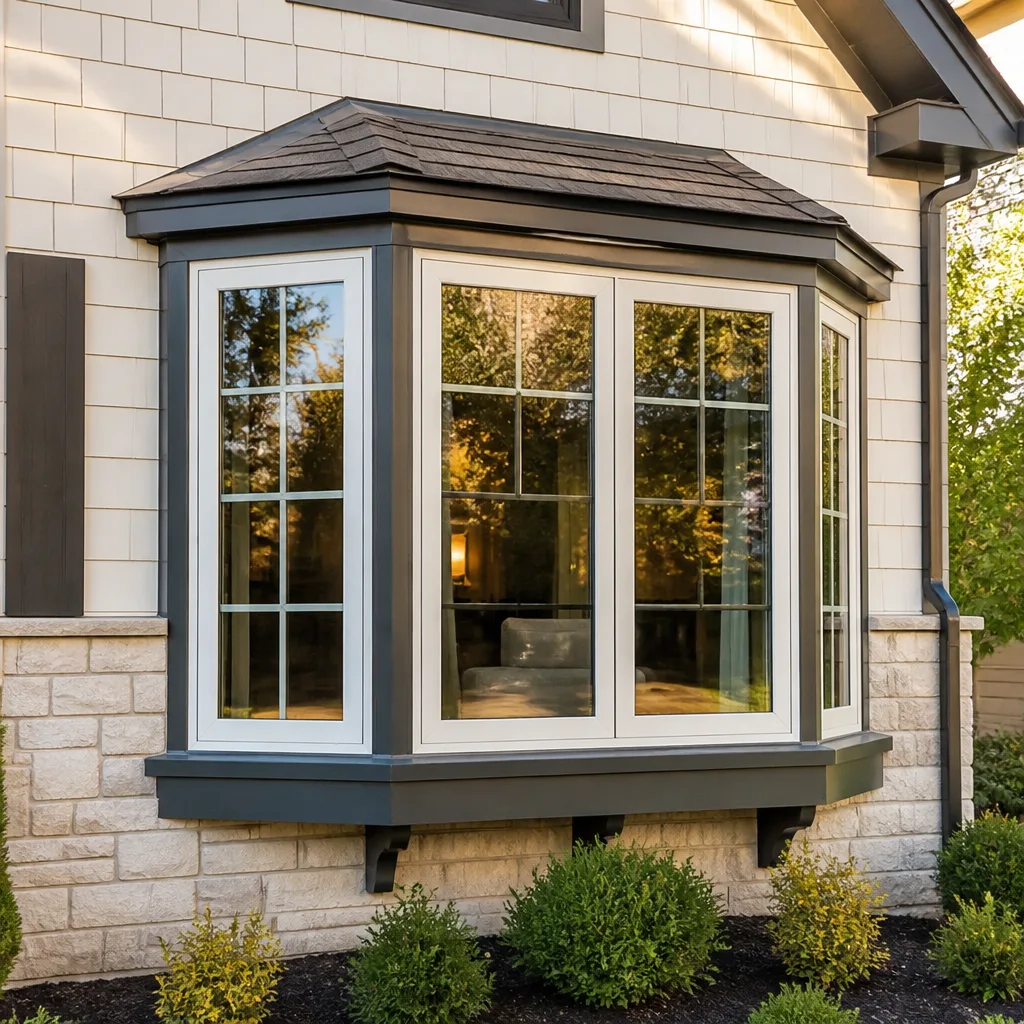 Bay & bow
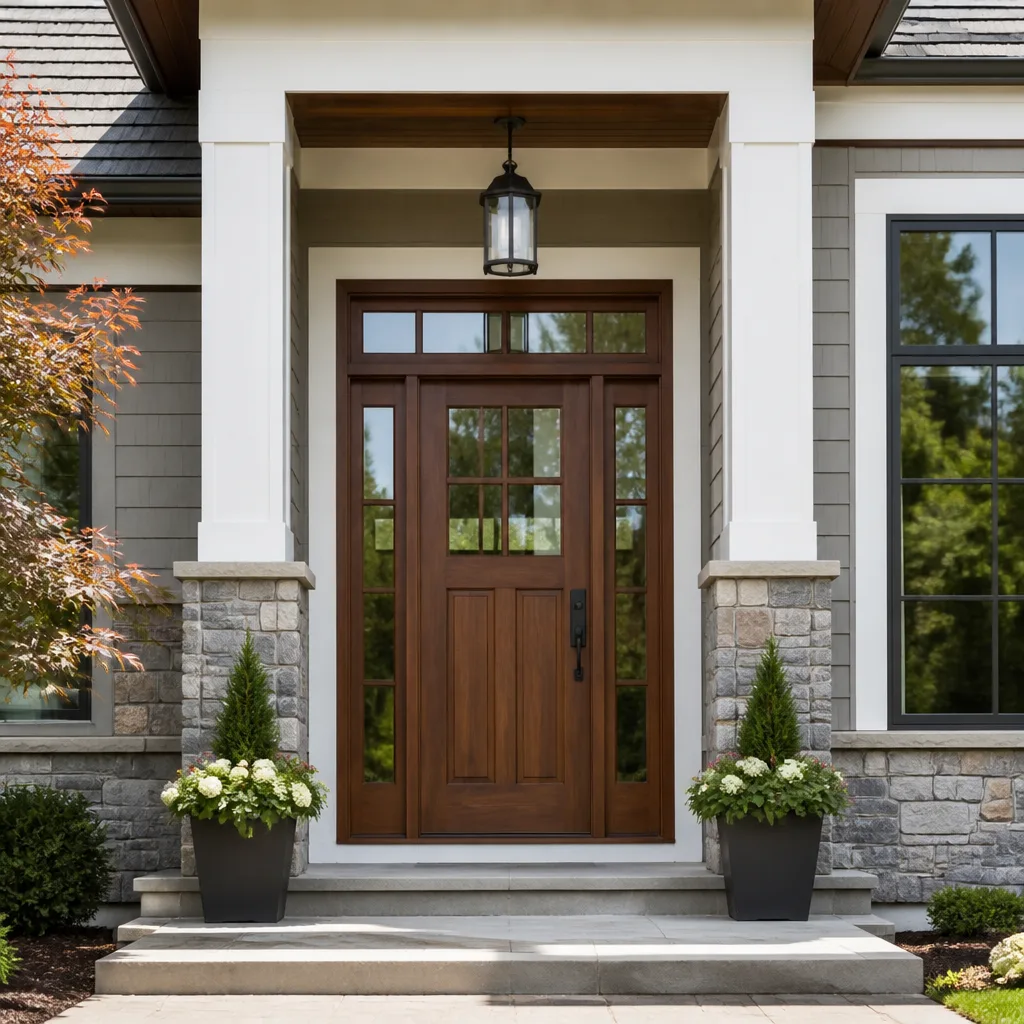 Entry doors
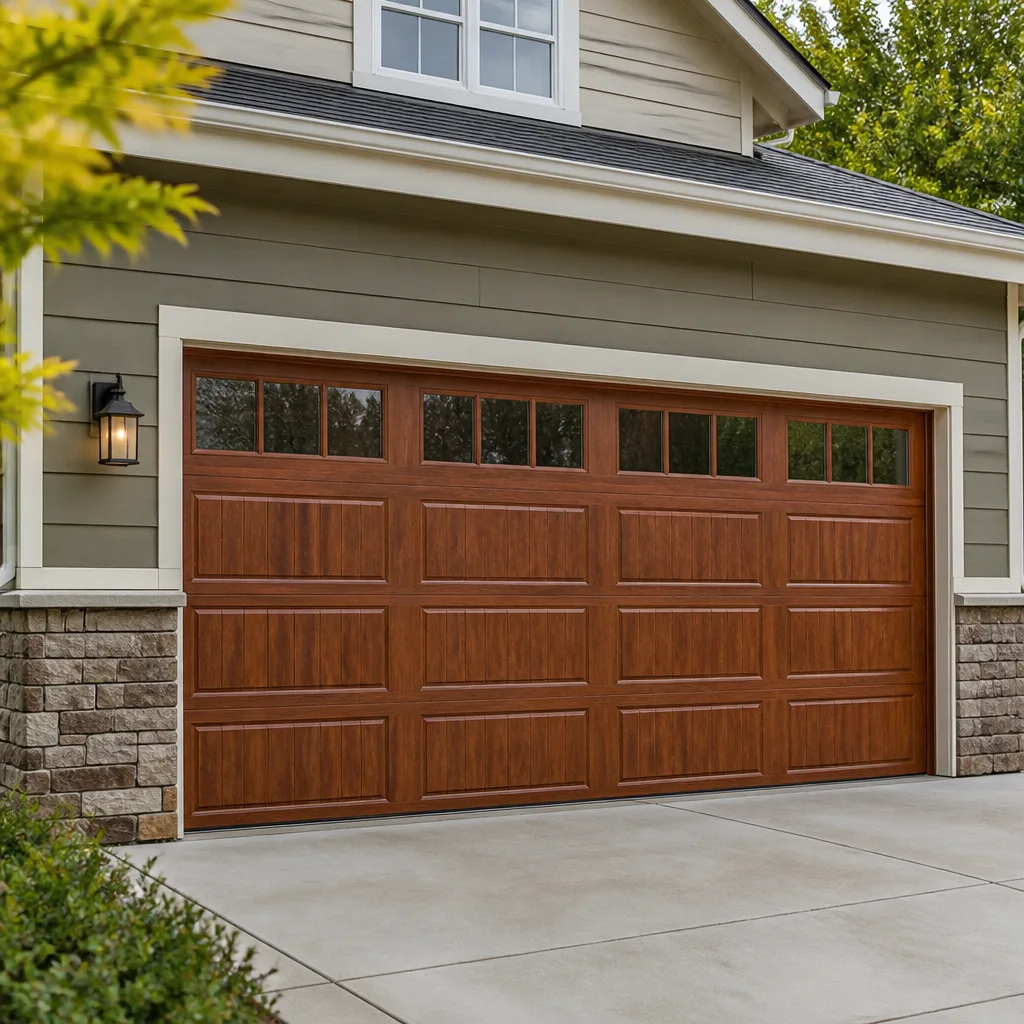 Impact garage doors
 PGT
PGT CGI
CGIFree in-home measure and quote - PGT, CGI and CWS impact lines compared on your actual openings, style by style
Get your free estimateThe Complete Guide to Windows & Doors in Tampa
Here is a stat most homeowners in Tampa don’t know until it costs them: roughly 90% of Hillsborough County sits inside Florida’s wind-borne debris region, which means the window you think is just a window is actually a structural safety device your insurer expects to perform in a Cat 3 storm. This guide walks you through every decision that matters for windows and doors in Tampa, from impact ratings and code compliance to the week-by-week reality of a replacement project, the cost ranges you should expect, and the questions to ask before anyone sets foot in your living room. For more, see our DIY vs Professional Windows & Doors: The Tampa Homeowner’s Decision Guide. We’ll cover the products, the paperwork, the install methods for block versus frame construction, and what happens after the final inspection. You’ll finish knowing exactly what to budget, what to demand in writing, and what separates a window that lasts 20 years in our humidity from one that fogs and sags in five.
Styles & brands we work with
Quick Answer
Windows and doors in Tampa fall under Florida’s strictest building code tier, requiring impact-rated or properly protected openings in most of Hillsborough County, with replacement costs typically running $900 – $3,800 per opening depending on material and ratings, and projects taking 4 – 8 weeks from permit to final inspection. The right window for your home depends on whether you have CBS block or wood frame walls, how close you are to the coast, and whether you want the insurance discount that comes with documented mitigation. Our How to Hire a Windows & Doors Contractor in Tampa: A Step-by-Step Guide can help you vet the right professional.
Table of Contents
- Tampa Code Requirements: What’s Legal and What Isn’t
- The Product Families Worth Considering in Tampa
- What Windows and Doors Actually Cost in Tampa
- The Full Project Timeline: Permit to Final Inspection
- CBS Block vs. Wood Frame: Why Installation Changes
- Insurance Discounts and the Uniform Mitigation Verification Program
- Common Mistakes to Avoid
- When to Call a Professional
- Frequently Asked Questions
- The Bottom Line
Tampa Code Requirements: What’s Legal and What Isn’t
If you’re replacing a window or exterior door in Tampa, the first question is whether the product carries a Miami-Dade or Florida Building Code product approval for wind-borne debris protection. This isn’t optional. Most of Hillsborough County falls within one mile of the coast threshold that triggers the wind-borne debris region designation under the Florida Building Code (FBC), 8th Edition. That means your new windows must either be impact-resistant on their own (laminated glass that holds together when hit) or be protected by an approved shutter or panel system rated for the wind zone your home sits in.
Here is what that means in practical terms:
- Impact-rated windows are tested to survive a 9-pound 2×4 fired at 34 mph without penetrating, then cycled through positive and negative wind pressures without failing. These carry a Notice of Acceptance (NOA) number you can look up in Miami-Dade County’s public database.
- Non-impact windows are legal only if the home has an approved, code-compliant shutter system covering every opening, and you must maintain that system going forward.
- Doors count as openings too. An impact-rated front entry door from a brand like Therma-Tru carries its own NOA, and side lites and transoms must meet the same standard as the door itself.
When we survey replacement projects across South Tampa, Carrollwood, and Seminole Heights, the pattern we see is consistent: homes built before 2002 were almost never constructed with impact glazing, and many have single-pane aluminum frames that fail both the wind load and the energy code requirements the moment you pull a permit. Tampa’s current code also sets a maximum U-factor and solar heat gain coefficient (SHGC) for replacement fenestration in Climate Zone 2A. The older the window, the more likely it is doing nothing but holding glass in place. A permitted replacement in Tampa means bringing the entire opening, frame, anchorage, and flashing up to today’s wind load calculations, not just swapping the sash.
The Product Families Worth Considering in Tampa
Most national guides present window materials as a style preference. Here, they are a survival and durability decision first. Tampa’s combination of UV exposure, salt air in coastal neighborhoods like Davis Islands and Palma Ceia, high humidity, and hurricane wind pressures eliminates products that perform fine in Ohio or Oregon. We work with eight manufacturer brands so the recommendation fits the home and the exposure, not a preferred vendor’s inventory sheet. The four you’ll most often need to compare are PGT, CGI, CWS, and ViewLux.
Here are the main product families and the honest trade-offs of each in Tampa conditions:
- Vinyl impact windows (PGT WinGuard, ViewLux): Lowest cost impact option at $900 – $1,600 per opening installed. Vinyl handles our heat well and won’t corrode near the bay. The trade-off is frame strength at larger sizes, and dark exterior colors can warp under direct west exposure in neighborhoods like Westchase where there is little afternoon shade. Best for standard-size openings in wood frame homes.
- Aluminum impact windows (CGI, CWS): $1,200 – $2,400 per opening. Aluminum frames hold dimensional stability in large picture windows and multi-panel sliders you see in waterfront homes on Bayshore Boulevard. They conduct heat more readily than vinyl, which means a thermal break matters, and raw aluminum will pit if you are within salt spray. Best for large openings and CBS block homes where the frame is anchored directly into concrete.
- Aluminum-clad wood windows (ES Windows, ECO Window Systems): $2,000 – $3,800 per opening. The most expensive tier, but the only option that gives you a real wood interior for historic districts like Hyde Park while keeping a maintenance-free aluminum exterior for our climate. The trade-off is cost and weight. Best for period-accurate restorations where the architecture demands wood on the inside.
- Vinyl non-impact with shutters: $450 – $800 per opening for the window alone, plus $15 – $25 per square foot for code-approved hurricane shutters. This is the budget pathway, but it requires maintaining the shutter hardware forever, and insurance discounts are smaller than with true impact products.
For doors, Therma-Tru fiberglass entry systems hold up to Tampa’s humidity better than solid wood, which absorbs moisture and swells in our wet season. A fiberglass door with impact-rated glass and an NOA starts around $2,500 and runs past $6,000 for custom configurations with side lites. See our complete Door Installation in Tampa guide for door-specific details.
What Windows and Doors Actually Cost in Tampa
The honest cost range for a permitted window replacement project in Tampa runs about $900 to $3,800 per opening, all-in with labor, fasteners, flashing, permit fees, and the product itself. A whole-house replacement of 12 – 15 openings in a standard South Tampa ranch typically lands between $18,000 and $42,000. If that number is higher than you expected, the gap is usually the impact rating, the frame material, and the permitting and inspection overhead you don’t pay in states without hurricane codes. Proper Seasonal Windows & Doors Care for Tampa: Year-Round Homeowner’s Guide can extend the life of that investment.
Here is a realistic breakdown by product tier:
| Product | Material Cost (per opening) | Installed Cost (per opening) | Best Application in Tampa |
|---|---|---|---|
| Vinyl non-impact (with new shutters required) | $350 – $600 | $900 – $1,200 total | Budget-conscious, inland, already has shutter plan |
| Vinyl impact (PGT WinGuard, ViewLux) | $600 – $950 | $1,100 – $1,600 | Standard openings, wood frame homes |
| Aluminum impact (CGI, CWS) | $800 – $1,400 | $1,400 – $2,400 | Large openings, CBS block, waterfront exposure |
| Aluminum-clad wood impact (ES, ECO) | $1,400 – $2,600 | $2,000 – $3,800 | Historic districts, architectural integrity |
| Impact entry door (Therma-Tru with sidelites) | $1,500 – $4,000+ | $2,500 – $6,500+ | Front entries, especially during a full exterior renovation |
The cost variance in Tampa is not random. Homes within a mile of Tampa Bay or the Hillsborough River see stricter wind load calculations, which can mean heavier glass, more anchor points, or an engineered header. Spanish-style homes in Palma Ceia with arched openings cost more because every radius window is a custom build. A 1970s block home in Temple Terrace will often have windows set directly into the CMU with no wood buck, and remediation runs extra. The point is that any price you see online is a starting reference, not a quote. We put every price in writing before any work starts, with no change orders unless you ask for something additional after the contract is signed.
The Full Project Timeline: Permit to Final Inspection
Here is what week four actually looks like on a window and door replacement project in Tampa, because nobody explains this before you’re living through it. The full process runs four to eight weeks for a typical whole-house replacement, shorter for a single door or a few windows. Here is the sequence:
- Week 1: Site survey and product selection. A technician measures every opening, photographs the existing anchorage, and checks whether the home is CBS block or wood frame. You select products and glass packages. We provide a written, itemized price.
- Week 1 – 2: Permit application. We submit the permit package to the City of Tampa or Hillsborough County, depending on your address. The package includes product NOA numbers, wind load calculations, and the existing construction plan. Typical review time runs 3 – 10 business days.
- Week 2 – 4: Product manufacturing and delivery. Impact products are built to order for the most part. Standard sizes ship faster; custom sizes or special glass packages add two to three weeks.
- Installation week: Removal and setting. For most homes, crews work room by room or side by side. Each opening takes 45 minutes to two hours depending on the wall type and condition. The crew lays drop cloths before starting, wears shoe covers, and moves furniture only with your permission.
- Post-installation: Inspection. The city or county inspector verifies anchorage, product labels, and NOA compliance. Once the inspection passes, the permit is closed and your project records are final.
For a deeper walkthrough of the installation specifics, see our Window Installation in Tampa guide, which covers the installation day timeline and what to expect with your family in the home.
CBS Block vs. Wood Frame: Why Installation Changes
About half of Tampa’s single-family housing stock is CBS (concrete block and stucco), and the other half is wood frame, split roughly by era. Post-war neighborhoods up through the early 1980s are largely block; newer suburban developments in New Tampa and parts of Westchase are frame. The installation method is completely different, and a contractor who treats them the same is going to hand you leaks.
In a CBS block home, the window is set into a rough opening in the masonry, and the anchorage is either through the window frame directly into the block using Tapcon or wedge anchors, or into a wood buck that was set into the block during original construction. Caulk joints between the frame and the stucco are your primary water seal. If the original buck is rotted (common in block homes from the 1960s and 70s in areas like Forest Hills and Sulfur Springs), the new window has nothing solid to anchor to, and remediation means cutting out the old wood and replacing or bypassing it. Anyone giving you a price without looking at the buck condition is guessing.
In a wood frame home, the window is nailed or screwed through the fin into the wall framing, then flashed with peel-and-stick membrane in a specific sequence: sill first, then jambs, then head, so water running down the wall is always directed out, never in. Frame homes in Tampa deal with more wall movement and more moisture cycling than block, which makes the flashing detail the difference between a window that lasts 20 years and a window that leaks inside the wall cavity within three. Ask your contractor which anchoring method they use for your wall type, and confirm they are pulling a permit. An unpermitted replacement is invisible to the insurance company and worthless at resale.
Insurance Discounts and the Uniform Mitigation Verification Program
Here is where the window conversation intersects with the insurance conversation in Tampa. Florida’s Uniform Mitigation Verification Program (UMVP) allows a licensed inspector to document your home’s wind mitigation features on a form (the 1802) that most Florida insurers use to determine wind premium discounts. Windows and doors are a significant line item on that form, and impact-rated products with proper documentation can reduce your windstorm premium meaningfully, sometimes by 20 – 40% depending on the insurer and where in Tampa you live.
The discount is not automatic. You need:
- Product NOAs for every opening, matched to the specific model installed
- A roof-to-wall connection detail that also qualifies under the program (this is a roof item, not a window item, but the inspector evaluates the whole house)
- A completed UMVP inspection by a licensed verifier after installation
Impact windows contribute under the “opening protection” credit category, which is one of the largest single credits on the form. Homes in designated high-velocity hurricane zones, which includes much of coastal Hillsborough, see the strongest premium response. If you replace all openings with impact-rated products, your home may also qualify for the “hurricane deductible” to remain lower than it otherwise would. This is a conversation to have with your agent before you sign a window contract. Know what documentation they require. We provide the full product documentation package after every permitted installation, which is what your UMVP verifier will ask to see. Start with our Window Replacement in Tampa guide for a broader look at how replacement decisions affect resale and insurance.
Common Mistakes to Avoid
- Buying non-impact windows in the wind-borne debris region to save money, then discovering the shutter system is non-compliant. The savings disappear the first time an inspector or insurance adjuster flags the opening. Verify the wind zone before you buy anything.
- Accepting a quote without NOA numbers or permit language. In Tampa, a quote that doesn’t reference product approvals and permitting is not a real quote. It is a number designed to start a conversation.
- Replacing windows but leaving original wood bucks in CBS block without inspecting them. Rotted bucks are a primary source of air and water infiltration in block homes. The new window is only as good as what it is anchored to.
- Choosing the cheapest vinyl window with a dark exterior frame on a west-facing wall. Tampa’s late-afternoon sun and heat load will bow and fade dark vinyl. Match the frame color to the exposure.
- Forgetting that doors are openings too. An impact-rated front door doesn’t meet code if the side lites and transom above it are standard glass. Every component in the opening matters.
- Skipping the UMVP inspection after installation. The insurance discount is paperwork-driven. No inspection, no credit, even with the right windows.
- Using a contractor who won’t provide a written price before the work starts. There is no reason in the world to accept an open-ended estimate on window work. The price can be fixed in writing, and it should be.
When to Call a Professional
Window and door replacement is not a weekend project, and the dangerous side of it is less about the tools than the decisions you won’t know to make: the wind zone calculation, the flashing sequence for a frame home, the buck condition inside a block wall, the NOA matching between product and opening size. If your home sits within a mile of the water, if your openings are arched or oversized, if your home was built before 2002 and has never had its openings replaced, or if you are buying impact products and expect an insurance discount, call a professional before you spend a dollar. Lightwell Windows Tampa offers free estimates in Tampa, and we put the full product selection, permit plan, and line-item price in writing before any commitment. Call (850) 360-6785 to schedule a walkthrough. You’ll also find our full service breakdown on the Lightwell Windows Tampa home page.
Frequently Asked Questions
Most full-frame window replacements in Tampa run $900 to $3,800 per opening installed, depending on whether the product is vinyl, aluminum, or aluminum-clad wood, and whether it carries an impact rating. Impact-rated vinyl starts around $1,100 per opening installed; non-impact with code-required shutters starts lower but requires the shutter system to remain compliant forever. Call (850) 360-6785 for an exact written quote on your home – estimates are free.
If your home sits inside the wind-borne debris region, which covers most of Hillsborough County and nearly all of Tampa proper, any new window or door must either be impact-rated or protected by an approved shutter meeting the same code standard. The boundary is based on proximity to the coast and wind speed maps, not on your flood zone. A local permit package will verify your specific requirement at the address level.
Impact-rated windows with documented NOAs can qualify you for an opening protection credit on the Uniform Mitigation Verification form (1802), which most Florida insurers use to calculate wind premium discounts. The discount varies by insurer and location, but coastal Hillsborough homeowners often see the strongest premium response. A UMVP inspection after installation is required to claim the credit – the windows alone don’t trigger it.
A typical whole-house replacement of 10 – 15 openings takes four to eight weeks from the initial site survey to the final city or county inspection, with the permit review taking about a week and product manufacturing taking two to three weeks for impact products. The installation itself is usually one to two days for most homes. Custom sizes or special glass packages add lead time.
CBS block homes require anchoring into masonry or a wood buck, and the condition of that buck determines whether the installation will be straightforward or require remediation. Wood frame homes use fin-and-flashing methods where the flashing sequence is the critical water management detail. A contractor should explain which method applies to your home before quoting, and the permit should specify it.
Yes. Every project at Lightwell Windows Tampa starts with a written, itemized price before any work begins, covering the products, anchors, flashing, permit fees, and labor with no invoice surprises at the end. If an unexpected condition is discovered during installation, we stop and explain the situation and the revised cost before proceeding. Call (850) 360-6785 to schedule a free estimate.
The Bottom Line
The Complete Guide to Windows & Doors in Tampa comes down to this: your openings are a structural, insurance, and comfort system all at once, and the decisions you make now affect your home for 20 years or more. Start with the code requirement, not the style catalog. Match the product family to your wall type and your exposure. Budget realistically, get the permit, document the NOAs, and follow through with the UMVP inspection so the insurance credit materializes. Choose a contractor who anchors the work in writing and treats your floors, your furniture, and your kids’ nap schedule as part of the job. That is the neighborhood conversation before you spend a dollar, and it’s the one that keeps a Tampa home protected through every storm season after the first one. Explore more guides & resources for Tampa homeowners.
Written by Keith Yamada, Owner at Lightwell Windows Tampa, serving Tampa since 2010.
See the difference
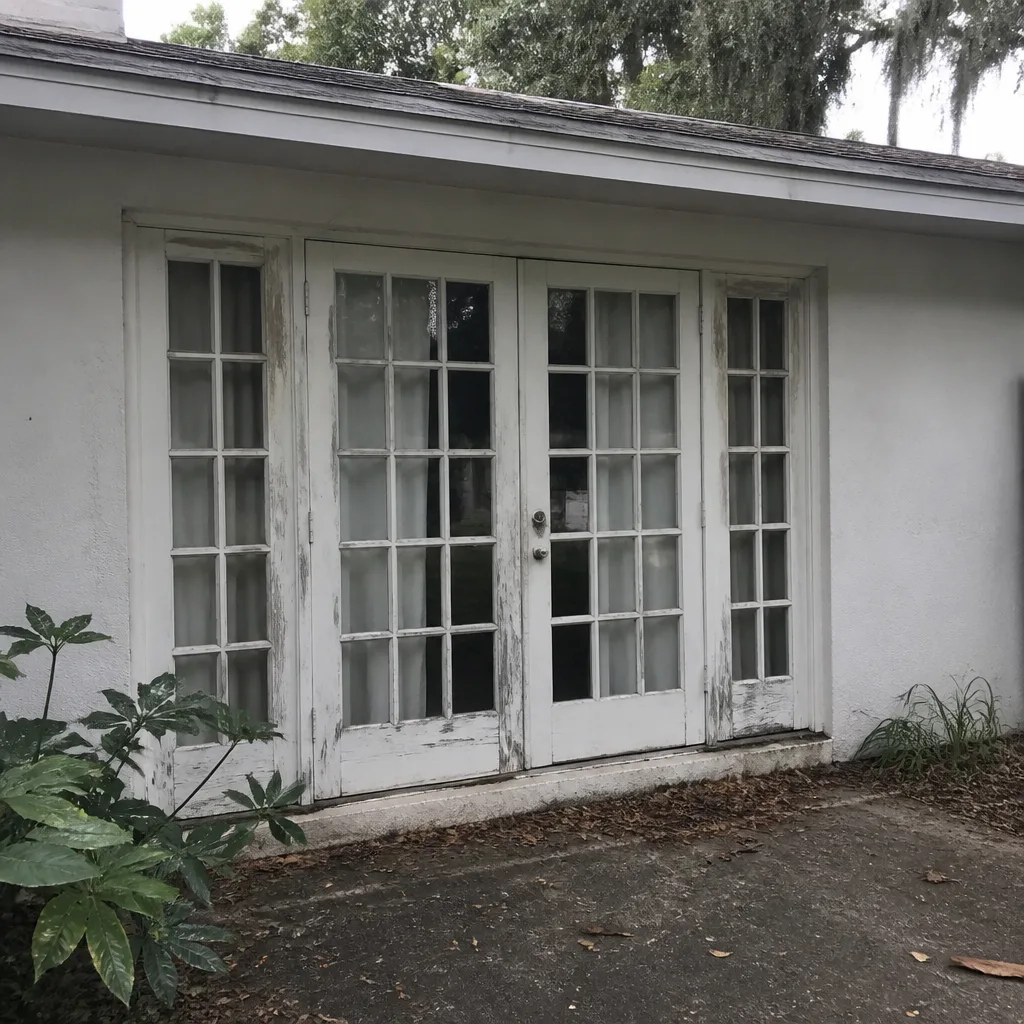 Before
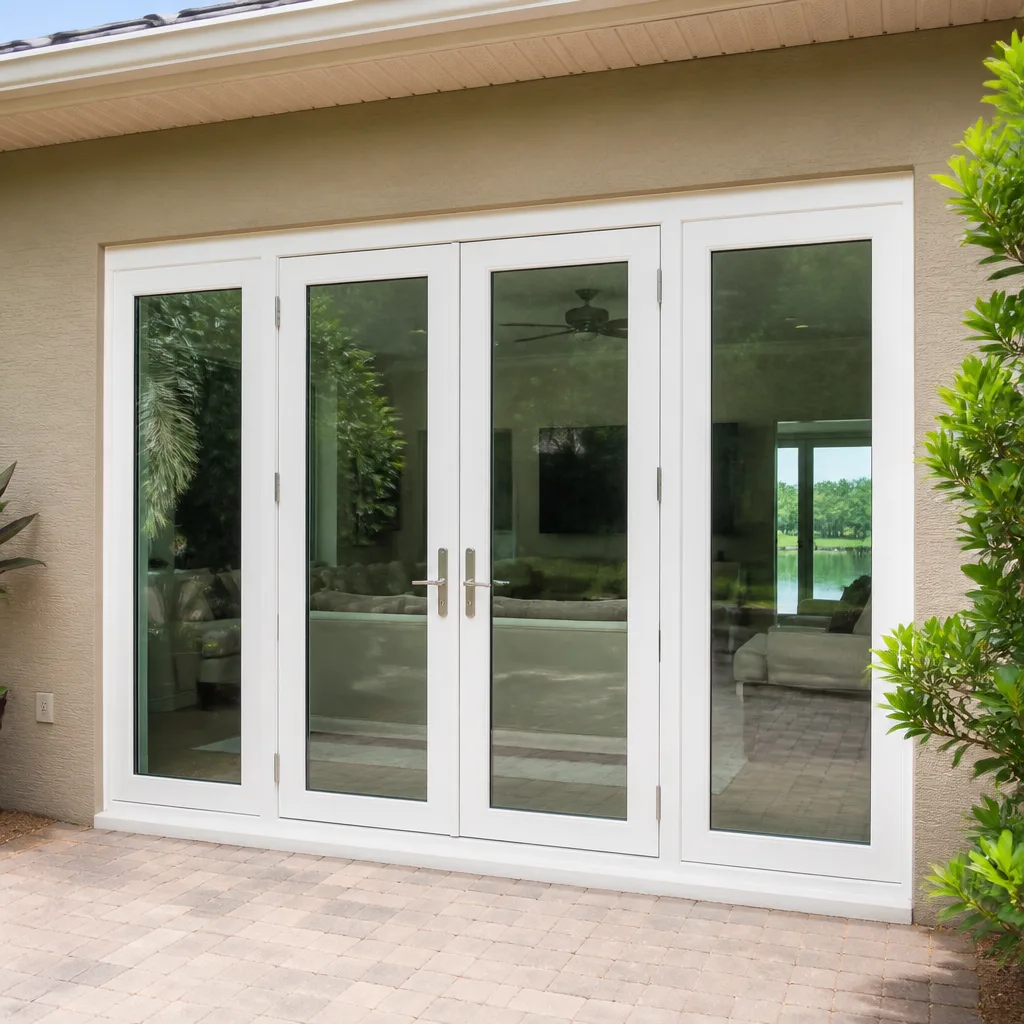 After
After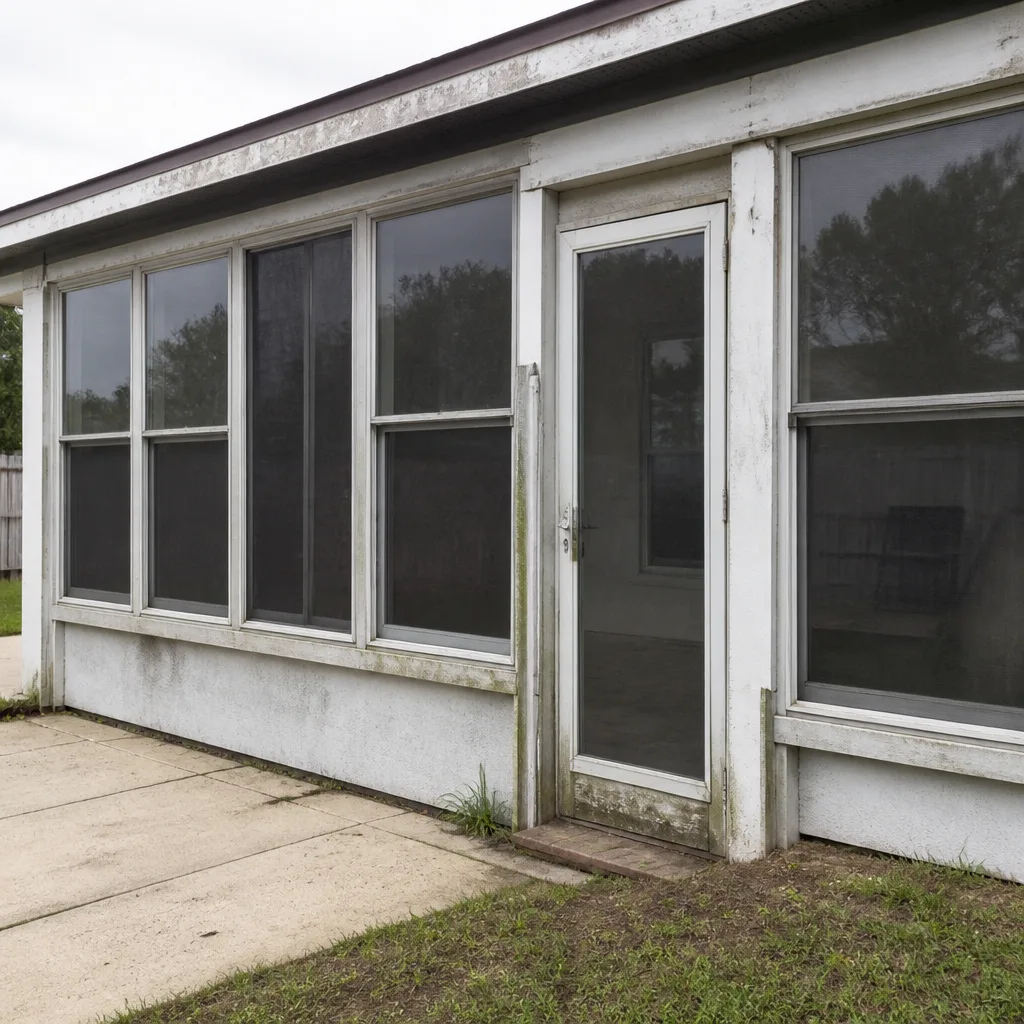 Before
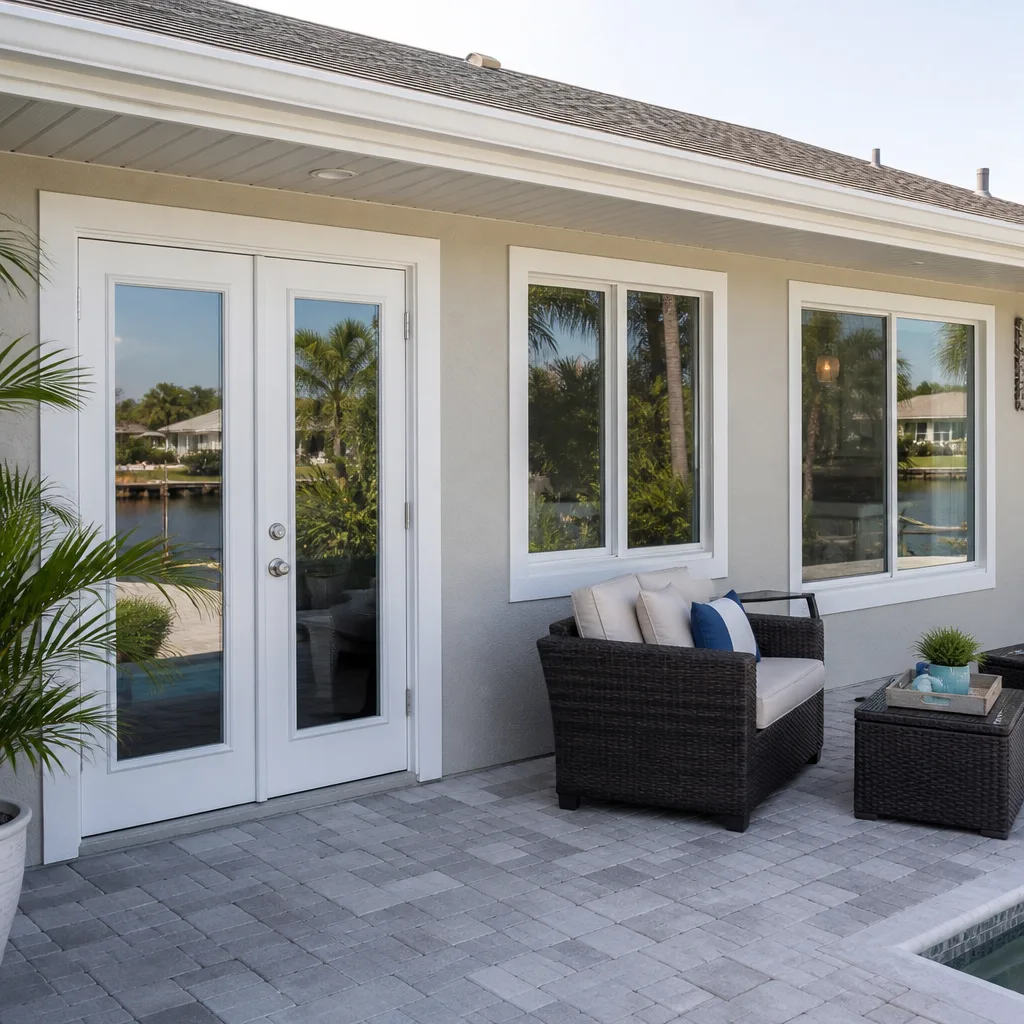 After
After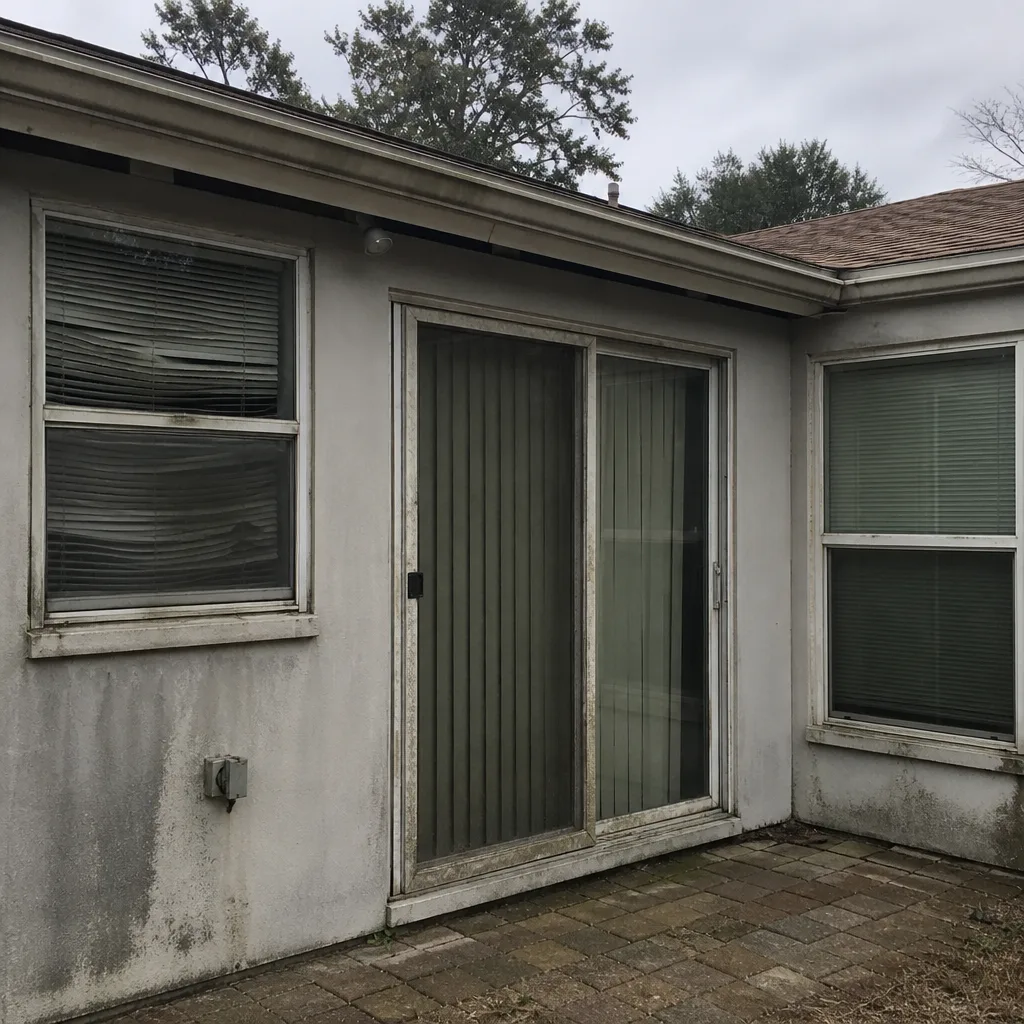 Before
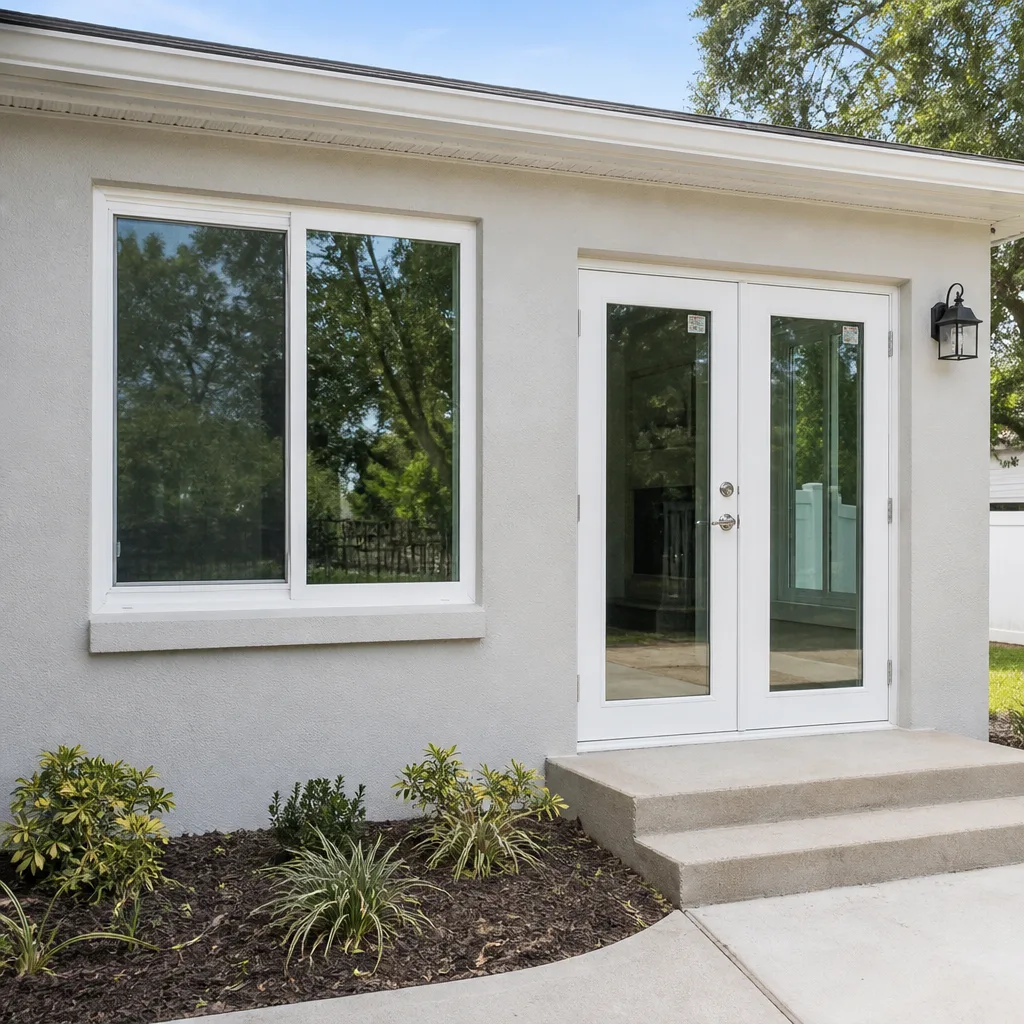 After
AfterSix Reasons Homeowners Choose Lightwell Windows Tampa
Impact systems engineered to design pressures up to +/-100, matched to your wind zone - your openings hold when the storm arrives.
Low-E insulated impact glass from our manufacturer lines commonly cuts monthly cooling bills 20-30%.
Laminated impact glass shuts out up to 40% of outside noise - traffic, neighbors, weather.
Monitoring services run $30-90 a month. Laminated impact glass resists forced entry around the clock, with no subscription.
Florida homeowners average around 25% savings on the windstorm portion of their policy after protecting every opening - some homes qualify for more.
A full impact package upgrades curb appeal, buyer confidence and appraised value in one project.